 Reboot and Revive


Using food as a form of medicine is not a novel concept, but it poses challenges for many individuals. Some people find themselves grappling with a few extra pounds post-pandemic or in the midst of the stressful diagnosis of infertility. Individuals often question how their dietary choices, or lack thereof, impact their ability to conceive.
It’s crucial to recognize that even the healthiest diets cannot remedy more severe conditions that lead to infertility in both men and women. For instance, if a woman’s fallopian tubes are obstructed, hindering sperm from fertilizing an egg, dietary adjustments won’t address this blockage. Fortunately, cases like these can be addressed with interventions such as in vitro fertilization (IVF) provided by fertility specialists.
Nevertheless, the impact of diet and other lifestyle choices on fertility should not be underestimated. Whether integrated with fertility treatments or pursued independently, dietary modifications can exert a significant and quantifiable influence on fertility. The 2022 update to the American Society for Reproductive Medicine (ASRM)’s committee opinion on Optimizing Natural Fertility underscored this point.
Certain factors are strongly supported by evidence:
- Women who are extremely thin or overweight encounter greater challenges in conceiving.
- Folic acid supplementation yields clear benefits.
- Seafood with elevated mercury levels should be avoided.
Numerous studies have explored the connections between dietary patterns, food choices, and infertility. These diets typically focus on macro (large) and micro (small) nutrient selections. Put simply, they provide guidance on the types of fats, proteins, carbohydrates, and vitamins to incorporate into one’s diet.
Consider incorporating the following elements into your fertility-focused diet:
- Plant-Based Foods:
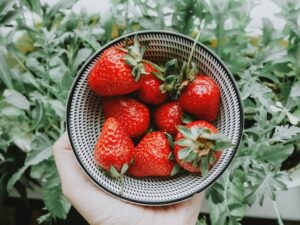
- Include whole fruits such as unpeeled apples, bananas, oranges, strawberries, raspberries, mangos, guava, and the fertility-favored pineapple. These are excellent sources of fiber and essential vitamins.
- Seasonal Vegetables:
- Rhode Island boasts a variety of vegetables, including tomatoes, potatoes, onions, radishes, corn, carrots, cucumbers, broccoli, spinach, cauliflower, lettuce, beans (snap, pinto, baby lima), peas, kohlrabi (also known as a German turnip), and asparagus.
- Protein Sources:
- Opt for tofu, seitan, and mycoprotein as plant-based protein alternatives.
- Seafood Rich in Omega-3 Fatty Acids:
- Include local oysters, clams, or whitefish in your diet, as they provide both heart-healthy omega-3 fatty acids and fertility benefits.
- Whole Grains:
- Choose whole grains like oatmeal, brown rice, bulgur, rye, and whole wheat for sustained energy and essential nutrients.
- Raw Nuts:
- Snack on almonds, brazil nuts, or cashews for vital antioxidants and monounsaturated fats.
- Legumes:
- Incorporate budget-friendly options such as chickpeas, black beans, and red beans into your fertility diet for a protein boost.
- Extra Virgin Olive Oil:
- Opt for extra virgin olive oil as your primary source of monounsaturated fats, prioritizing it over coconut oil.
Additionally, it’s noteworthy that researchers often highlight the dietary habits of Mediterranean cultures. These diets, characterized by a focus on sharing and savoring meals, stand in contrast to the American tendency to consume processed foods hastily. Furthermore, Mediterranean cultures incorporate more physical activity, contributing to lower rates of obesity. Therefore, take the time to enjoy your meals, fostering a connection with the reasons behind your desire to expand your family. Share food, have fun, and destress at the end of the day to promote overall well-being.
An excellent way to implement these nutritional recommendations is by exploring delicious and nutritious recipes. Consider trying out this delightful recipe for Chicken Tagine With Onion & Olive Confit, which provides a balanced combination of proteins, seasonal vegetables, and healthy fats. This recipe highlights ingredients such as extra virgin olive oil, seasonal vegetables, and other elements recommended to promote fertility.
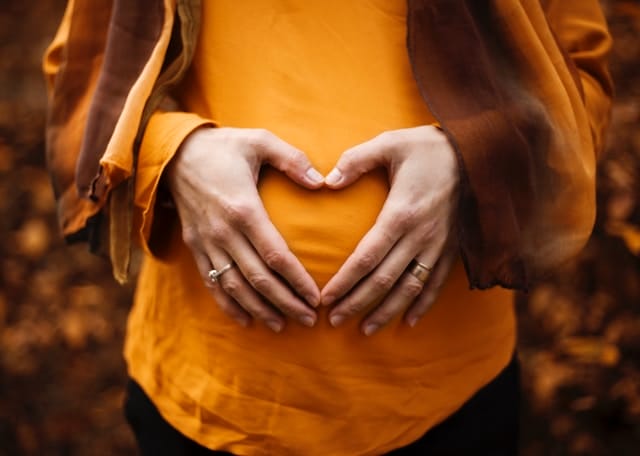
correlation between fertility and weight
The correlation between fertility and weight is well-established, affecting both male and female individuals. It’s crucial for both genders to understand that being underweight or obese can significantly impact fertility. The intricate balance of hormones crucial for proper functioning in the male and female reproductive systems is disrupted when subjected to the stress of low or high body weight, leading to a breakdown in their natural chemical rhythms.
Specifically, research has indicated that women who are either underweight or obese tend to experience a higher rate of infertility and a lower success rate in in vitro fertilization (IVF). In men, obesity has been associated with adverse effects on fertility, influencing factors such as sperm count and sperm motility (the speed at which sperm move). Complications like insulin resistance and diabetes can exacerbate these issues.
Moreover, excess weight has been linked to the onset and exacerbation of polycystic ovary syndrome (PCOS), a prevalent cause of infertility in women. This is primarily attributed to irregular menstrual cycles and inconsistent ovulation. Interestingly, even modest weight loss, ranging from 5 to 10 percent of body weight, in overweight women affected by PCOS has been shown to alleviate symptoms, including infertility. Therefore, maintaining a healthy weight is a key factor in supporting reproductive health for both men and women.
When actively trying to conceive, it’s advisable to avoid or limit certain foods and drinks due to potential risks to the baby during pregnancy. If you are currently attempting to get pregnant, it’s recommended to refrain from consuming the following items:
- High-Mercury Fish:
- Limit intake of high-mercury fish such as shark, swordfish, king mackerel, and tilefish. Opt for lower-mercury alternatives like salmon, shrimp, and catfish.
- Raw or Undercooked Seafood:
- Avoid raw or undercooked seafood and shellfish, as they may pose a risk of foodborne illnesses that can be harmful during pregnancy.
- Raw or Undercooked Eggs:
- Steer clear of raw or undercooked eggs and any dishes that contain them, as they may carry the risk of salmonella infection.
- Unpasteurized Dairy Products:
- Refrain from consuming unpasteurized dairy products, as they may contain harmful bacteria. Choose pasteurized alternatives for safety.
- Excessive Caffeine:
- Limit caffeine intake to moderate levels (typically less than 200 mg per day) as excessive caffeine consumption has been linked to an increased risk of miscarriage.
- Alcohol:
- It’s advisable to avoid alcohol while trying to conceive and during pregnancy, as it can pose serious risks to the developing baby.
- Highly Processed Foods:
- Minimize the consumption of highly processed foods with added sugars, unhealthy fats, and artificial additives. Opt for nutrient-dense, whole foods instead.
- Unwashed Produce:
- Thoroughly wash fruits and vegetables to reduce the risk of exposure to pesticides and harmful bacteria.
- Excessive Vitamin A:
- Avoid excessive intake of vitamin A from supplements, as high levels can be harmful to the developing fetus.
- Soft Cheeses and Deli Meats:
- Exercise caution with soft cheeses (e.g., feta, Brie) and deli meats, as they may harbor bacteria like Listeria.
Remember, if you have consumed any of these items before discovering your pregnancy, it’s unlikely to have had an immediate impact. However, if you have concerns, it’s advisable to consult with your doctor or midwife for personalized guidance and reassurance.
If you’re trying to conceive, maintaining a healthy and varied diet is generally sufficient to obtain most of the essential vitamins and minerals. While pre-pregnancy vitamins are available and not harmful, the primary supplement recommended for those attempting to conceive is folic acid. Folic acid can be purchased separately and is often more cost-effective.
Here are some key considerations regarding pre-conception supplements:
- Folic Acid:
- Folic acid is crucial for the development of the neural tube in the early stages of pregnancy. Taking folic acid supplements is recommended while trying to conceive and during the first 12 weeks of pregnancy. It is known to improve both your and your baby’s health and helps prevent serious pregnancy complications.
- Vitamin D:
- Alongside folic acid, it is also recommended to take vitamin D supplements. Vitamin D plays a vital role in bone health and overall well-being.
- Vegan Diet:
- If you follow a vegan diet, consult with your doctor to ensure you are getting adequate nutrients for a healthy pregnancy. Special attention may be needed to ensure sufficient intake of certain nutrients commonly found in animal products.
- Caffeine Intake:
- It’s advised to limit caffeine intake to as little as possible during pregnancy, with a recommended cap of less than 200 milligrams per day. This includes not only coffee but also tea, energy drinks, and chocolate.
If you’re trying to conceive, it’s a good practice to start limiting your caffeine intake now. The Royal College of Obstetricians & Gynaecologists recommends this precautionary measure to support a healthy pregnancy.
Remember to consult with your healthcare provider for personalized advice based on your individual health needs and circumstances. They can provide guidance on dietary choices, supplements, and lifestyle adjustments to optimize your chances of a healthy pregnancy.



Get the EBS app


Frequently Asked Questions

Google Chrome translates the text; therefore, you can choose the language of your preference to read the text. The videos will still be available only in English.
Yes. Chronic inflammation can lead to atherosclerosis (hardening of the arteries) and consequently increases the risk of strokes. Following an anti-inflammatory lifestyle can help soften the arteries and support cardiovascular health.
Do I need to cook while on the EBS Lifestyle?
Not necessarily. You can absolutely eat out by following the Eating Out Guide. This Lifestyle isn’t about perfection — it’s about damage limitation. And if you do want to cook at home, the recipes are simple, approachable, and designed for all skill levels.
Can you eat out while following the EBS Lifestyle?
Yes. There is an Eating Out section on the Eat Burn Sleep platform that will help you choose the best cuisines and the healthiest dishes on the menu when you are eating out.
Is the EBS Lifestyle suitable for me whilst pregnant?
Yes. Many women have used this lifestyle for fertility, during pregnancy, and afterward. Following this lifestyle during pregnancy has many benefits, and there is special personalized advice for Pregnancy & Postpartum. Check it with your doctor first, of course. Stick to your doctor’s supplements advice.