 Reboot and Revive


Quick Answer: An anti-inflammatory diet for menopause focuses on phytoestrogen-rich foods, leafy greens, omega-3s, calcium, and anti-inflammatory spices like turmeric, while limiting refined sugar, alcohol, and processed foods. This approach helps reduce inflammation linked to hot flashes, weight gain, joint pain, and mood changes during this transition.
If you’re in the middle of menopause and feeling like your body suddenly stopped cooperating with you the hot flashes, the stubborn weight gain, the joint aches, the restless nights you’re not imagining it, and you’re definitely not alone.
One of the most effective, sustainable tools I’ve walked clients through during this stage is an anti inflammatory diet for menopause. It won’t stop the hormonal shifts happening in your body, but it can genuinely calm the inflammation driving so many of the symptoms that make this transition so uncomfortable.
In this article, I’m breaking down what’s actually happening in your body during menopause, why an anti-inflammatory diet for menopause makes such a meaningful difference, the specific foods worth building your meals around, the mistakes I see people make most often, and how to approach this in a way that actually fits into real life.
What Happens to Your Body During Menopause?
Menopause marks the point when your ovaries gradually stop producing estrogen and progesterone, typically happening in your late 40s to early 50s. This hormonal decline doesn’t happen overnight; it’s a gradual shift that often starts years earlier during perimenopause, the transitional phase leading up to menopause itself.
As estrogen levels drop, the body becomes more prone to inflammation. Estrogen actually plays a protective, anti-inflammatory role, so when it declines, many people notice an uptick in joint stiffness, disrupted sleep, mood swings, and stubborn weight gain around the midsection, all of which are closely tied to this shift in inflammatory activity.
This is also the stage where many people start actively researching menopause diet food options and even considering menopause diet supplements, simply because they’re looking for anything that helps them feel more like themselves again. Understanding the hormonal and inflammatory piece of this puzzle is what makes food choices so much more effective than randomly cutting things out.
Why an Anti-Inflammatory Diet Matters for Menopause

Here’s the connection that often gets missed: many of the most frustrating menopause symptoms are inflammatory in nature, not just hormonal. Hot flashes, joint pain, brain fog, and even mood changes are all linked to rising inflammatory markers as estrogen’s protective effect fades.
This is exactly why an anti inflammatory diet for menopause becomes such a powerful tool during this stage. Certain foods actively fuel inflammation and worsen symptoms, while others help calm the body’s inflammatory response and support the hormonal balance that’s naturally shifting.
Research suggests that dietary patterns rich in whole plant foods, including fruits, vegetables, and whole grains, may be associated with fewer vasomotor menopausal symptoms, such as hot flushes and night sweats. Dietary intervention studies have also shown improvements in hot flash frequency and severity. Food won’t stop the hormonal transition, but a nutritious, anti-inflammatory diet may help support the body through it.
Diet is just one piece of the bigger picture. If you want to see how this fits into a broader routine, I’ve laid it out here: Building an Anti-Inflammatory Lifestyle
Best Foods for an Anti Inflammatory Diet for Menopause
When clients ask what menopause lifestyle food actually looks like in practice, I always start with the same core group of foods that consistently show real results for managing symptoms.
Phytoestrogen-Rich Foods (Flaxseeds, Soy, Tofu)
Phytoestrogens are plant compounds that mimic estrogen’s effects in the body, gently helping to offset the hormonal decline happening during menopause. Flaxseeds, soy products like edamame and tofu, and chickpeas are some of the most well-researched sources, and many clients notice fewer hot flashes when these become a regular part of their meals.
Adding a tablespoon of ground flaxseed to your morning porridge or swapping in tofu for a portion of your protein a few times a week is an easy, low-effort way to build this in consistently. It doesn’t require an overhaul, just small, repeated choices that add up over time.
Leafy Greens & Cruciferous Vegetables
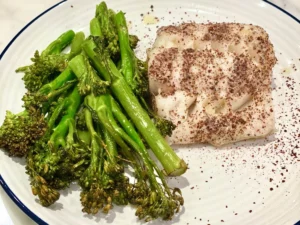
Spinach, kale, broccoli, and cauliflower are rich in antioxidants and compounds that support the liver’s natural detoxification processes, which become especially important as your body works to rebalance hormones during this transition. They’re also high in fiber, which supports steady digestion and blood sugar control.
I usually recommend aiming for at least one serving of leafy greens or cruciferous vegetables at two meals a day. A handful of spinach blended into a smoothie or a side of roasted broccoli at dinner is enough to start noticing the difference.
Omega-3 Rich Foods
Omega-3 fatty acids, found in walnuts, chia seeds, and fatty fish like salmon, are among the most well-studied anti-inflammatory nutrients available. They’ve also been linked to improved mood stability, which matters given how closely mood changes and menopause tend to overlap.
For anyone dealing with a menopause anxiety diet concern, omega-3s are one of the first additions I recommend, since they directly support brain health and help regulate the inflammatory pathways connected to mood. A small handful of walnuts as a daily snack is a simple place to start.
Calcium & Vitamin D Rich Foods (Bone Health Angle)
Declining estrogen levels significantly increase the risk of bone density loss during and after menopause, making calcium and vitamin D more important than ever. Leafy greens, fortified plant milks, tofu, and safe sun exposure all support this need, alongside foods like almonds and sesame seeds.
Bone health isn’t something most people think about until it becomes a problem, which is exactly why I encourage clients to build these foods into their routine early in the menopause transition rather than waiting for a diagnosis to prompt the change.
Anti-Inflammatory Spices (Turmeric, Ginger)
Turmeric’s active compound, curcumin, has been studied for its ability to reduce inflammatory markers, while ginger is well known for easing digestive discomfort and supporting overall inflammation control. Both are simple, low-cost additions with results that often show up faster than people expect.
I usually suggest adding turmeric to soups, curries, or a warm turmeric latte, and using ginger in teas or cooking throughout the week. Small, consistent amounts tend to be far more effective than occasional large servings.
Healthy Fats (Olive Oil, Avocado)
Extra virgin olive oil and avocado provide monounsaturated fats that support hormone regulation and help the body absorb fat-soluble nutrients more effectively, making them a much better choice than the refined oils found in most processed foods. They also support heart health, which becomes an increasingly important focus after menopause.
Using olive oil as your go-to cooking fat and adding avocado to salads, toast, or smoothies are small, sustainable swaps that make a real difference without feeling restrictive.
Looking for quick, snack-friendly options to round out your meals? Check out these easy anti-inflammatory appetizers, simple to prep and perfect for symptom-friendly eating.
Common Mistakes People Make on an Anti-Inflammatory Diet for Menopause

Even with the best intentions, I see a handful of mistakes come up again and again with clients starting this approach. Avoiding these can make the difference between quick frustration and real, lasting results.
- Relying only on menopause diet supplements instead of food: Supplements can support the process, but they’re not a substitute for a consistent, nutrient-dense eating pattern.
- Cutting out entire food groups unnecessarily: Eliminating certain food groups without a clear reason often leads to nutrient gaps rather than symptom relief.
- Expecting overnight results: Inflammation takes time to build up, and it takes consistent effort over several weeks to meaningfully bring it back down.
- Ignoring hydration: Dehydration can worsen hot flashes and fatigue, yet it’s one of the most overlooked pieces of a menopause-friendly diet.
- Skipping meals during busy or stressful days: Irregular eating patterns can spike blood sugar and worsen inflammation, especially during an already hormonally sensitive time.
Most of these mistakes come from trying to do too much at once. Slowing down and focusing on a few consistent changes almost always produces better, longer-lasting results than an aggressive, all-or-nothing approach.
Curious whether this approach also helps with weight management? I’ve covered that in detail here: Is an Anti-Inflammatory Diet Good for Weight Loss?
Why Eat Burn Sleep Approaches Menopause-Friendly Eating Differently
At Eat Burn Sleep, we understand that menopause isn’t something food alone can fix, which is why our approach is built around three connected pillars: Food, Movement, and Wellness. Hormonal changes during perimenopause and menopause can affect many areas of the body, so nutrition works best alongside appropriate movement, good sleep, and lifestyle practices that support overall wellbeing.
Rather than focusing on a generic anti-inflammatory food list, Eat Burn Sleep provides expert advice specifically designed to support women through perimenopause and menopause. Members can access guidance covering nutrition, lifestyle, movement, and other areas that may help them navigate common concerns during this stage of life.
Education is also at the heart of the Eat Burn Sleep approach. Understanding why certain foods and lifestyle habits may be beneficial and why consistency matters more than perfection can make healthy changes feel much more achievable and sustainable.
Members also have access to the Eat Burn Sleep Forum, where they can ask questions, explore advice, and feel supported as they put the lifestyle into practice. Together, these resources help turn an anti-inflammatory approach into a realistic, sustainable lifestyle rather than another restrictive set of rules to follow during an already significant transition.
Conclusion
Menopause brings real, unavoidable hormonal change, but how your body experiences that change is something you have far more influence over than most people realize. An anti inflammatory diet for menopause won’t stop the transition, but it can meaningfully ease symptoms, support your energy, and help you feel steadier through it.
Focus on the foods that calm inflammation, avoid the common mistakes that slow progress, and stay consistent rather than perfect. If you’re ready to build this into a sustainable lifestyle with food, movement, and wellness working together, that’s exactly what we help our members do at Eat Burn Sleep.
FAQs
What foods trigger hot flashes?
Common triggers include spicy foods, caffeine, alcohol, and refined sugar, all of which can increase inflammation and affect the body’s temperature regulation.
Can diet help with menopause weight gain?
Yes, an anti-inflammatory eating pattern can help manage menopause-related weight gain by stabilizing blood sugar, reducing inflammation, and supporting overall hormone balance.
Is dairy bad during menopause?
Members can refer to the Food Lists on the platform for clear guidance on which dairy products and alternatives to choose, making it easier to support an anti-inflammatory lifestyle while still getting important nutrients such as calcium and protein during menopause.



Get the EBS app


Frequently Asked Questions

Google Chrome translates the text; therefore, you can choose the language of your preference to read the text. The videos will still be available only in English.
Yes. Chronic inflammation can lead to atherosclerosis (hardening of the arteries) and consequently increases the risk of strokes. Following an anti-inflammatory lifestyle can help soften the arteries and support cardiovascular health.
Do I need to cook while on the EBS Lifestyle?
Not necessarily. You can absolutely eat out by following the Eating Out Guide. This Lifestyle isn’t about perfection — it’s about damage limitation. And if you do want to cook at home, the recipes are simple, approachable, and designed for all skill levels.
Can you eat out while following the EBS Lifestyle?
Yes. There is an Eating Out section on the Eat Burn Sleep platform that will help you choose the best cuisines and the healthiest dishes on the menu when you are eating out.
Is the EBS Lifestyle suitable for me whilst pregnant?
Yes. Many women have used this lifestyle for fertility, during pregnancy, and afterward. Following this lifestyle during pregnancy has many benefits, and there is special personalized advice for Pregnancy & Postpartum. Check it with your doctor first, of course. Stick to your doctor’s supplements advice.