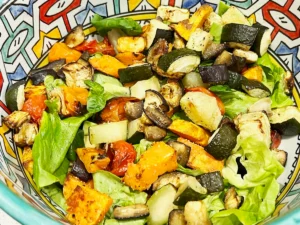
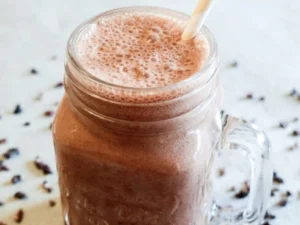
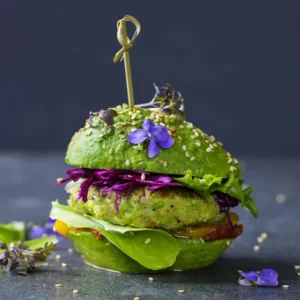
 Reboot and Revive


Quick Answer: An anti-inflammatory diet for adenomyosis focuses on whole, nutrient-dense foods leafy greens, omega-3s, iron-rich foods, berries, and anti-inflammatory spices like turmeric while limiting red meat, refined sugar, alcohol, and processed foods. This approach helps lower inflammatory markers linked to adenomyosis pain, heavy bleeding, and fatigue.
If you’re dealing with adenomyosis, you already know the pattern: heavy, painful periods, constant pelvic pressure, and a level of fatigue that regular rest just doesn’t seem to fix.
One of the most consistent tools I’ve walked clients through alongside medical care is an anti inflammatory diet for adenomyosis. It’s not a cure, and I’ll never claim otherwise, but the right food choices can genuinely calm inflammation, ease pain, and give you more steady, predictable days.
In this article, I’m covering what adenomyosis actually is, why a diet for adenomyosis built around anti-inflammatory foods makes such a difference, the specific foods worth adding to your plate, and how to approach this sustainably, not another restrictive plan you’ll abandon during a hard week.
What Is Adenomyosis?
Adenomyosis is a condition where tissue similar to the uterine lining grows into the muscular wall of the uterus itself, rather than outside the uterus as it does in endometriosis. This causes the uterus to thicken and often enlarge, which is why adenomyosis is frequently associated with heavier, more painful periods than what’s typically considered normal.
While adenomyosis and endometriosis share some overlapping symptoms and both involve displaced uterine-like tissue, the key difference lies in location: adenomyosis stays within the uterine wall, while endometriosis spreads to areas like the ovaries or pelvic lining. Some people are diagnosed with both conditions simultaneously, which can make symptoms feel even more overwhelming to manage.
Common symptoms include heavy or prolonged menstrual bleeding, severe cramping, chronic pelvic pain, and a feeling of pressure or bloating in the lower abdomen. Because inflammation plays such a significant role in driving these symptoms, many people find that adjusting their diet becomes one of the most practical, accessible ways to take back some control.
We also bring this same approach to workplaces through our Corporate Anti-Inflammatory Health Workshops, helping teams build habits that support long-term wellbeing.
Why an Anti-Inflammatory Diet Matters for Adenomyosis
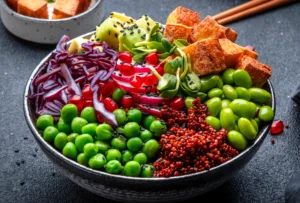
Here’s the connection that’s often missed: adenomyosis, much like other reproductive conditions, is deeply tied to chronic inflammation. The displaced tissue growing within the uterine wall triggers an ongoing inflammatory response, and that inflammation is a major driver behind the pain and heavy bleeding so many people experience.
This is exactly why a well-structured anti-inflammatory diet for adenomyosis can make such a noticeable difference. Certain foods actively fuel inflammation and worsen symptoms, while others help calm the body’s inflammatory response. When you consistently reduce the first group and increase the second, many people notice real changes: less intense cramping, more manageable bleeding, and steadier energy.
This inflammatory connection isn’t unique to adenomyosis either. It’s part of why an anti-inflammatory approach is also commonly recommended as one of the best diet strategies for PCOS weight loss, since both conditions share similar underlying inflammatory and hormonal patterns. Diet alone won’t resolve adenomyosis, but it can meaningfully shift how your body responds to it day to day.
Diet is just one piece of the bigger picture. If you want to see how this fits into a broader routine, I’ve laid it out here: Building an Anti-Inflammatory Lifestyle
Best Foods for an Anti Inflammatory Diet for Adenomyosis
When clients ask what a diet for adenomyosis should actually include, I always start with the same core group of foods ones that consistently show up in both research and real results.
Leafy Greens & Cruciferous Vegetables
Spinach, kale, broccoli, and Brussels sprouts are rich in antioxidants and compounds that support the body’s natural detoxification of excess estrogen, a hormone closely tied to the growth and severity of adenomyosis. Their fiber content also supports steady digestion, which many people with adenomyosis find helps ease overall bloating.
I usually recommend aiming for at least one serving of leafy greens or cruciferous vegetables at two meals a day. Something as simple as spinach blended into a smoothie or roasted broccoli on the side of dinner is enough to start seeing the benefit build over time.
Omega-3 Rich Foods (Flaxseeds, Walnuts, Fatty Fish if Non-Vegan)
Omega-3 fatty acids are among the most well-researched anti-inflammatory nutrients available. Flaxseeds and walnuts are excellent plant-based sources, while fatty fish like salmon work well for those who aren’t following a vegan approach. Omega-3s help balance the inflammatory compounds directly linked to adenomyosis pain and cramping.
Adding a tablespoon of ground flaxseed to breakfast or a small handful of walnuts as a daily snack is a simple, low-effort way to build this into your routine without much extra thought or planning.
Iron-Rich Foods (For Heavy Bleeding Support)
Because adenomyosis often causes heavier menstrual bleeding, iron-rich foods become especially important for preventing fatigue and supporting healthy energy levels. Lentils, chickpeas, tofu, and dark leafy greens are strong plant-based sources, and pairing them with vitamin C-rich foods helps improve iron absorption.
Many clients notice a real difference in their energy levels once they start prioritizing iron intake consistently, especially during and right after heavier cycles when the body needs extra support to recover.
Berries & Antioxidant-Rich Fruits
Blueberries, strawberries, and pomegranates are packed with antioxidants that help neutralize the oxidative stress associated with chronic inflammation, making them an easy, satisfying addition to daily meals. Their natural sweetness also makes them a smart swap for more processed, sugary snacks that can worsen inflammation.
Even a small bowl of mixed berries a few times a week adds up to a meaningful, noticeable difference over time, especially when paired with the other anti-inflammatory foods on this list.
Anti-Inflammatory Spices (Turmeric, Ginger)
Turmeric’s active compound, curcumin, has been studied specifically for its anti-inflammatory and pain-modulating effects, while ginger is well known for easing cramping and digestive discomfort, both common adenomyosis complaints. Together, they’re two of the simplest additions with some of the most noticeable results.
I usually recommend adding turmeric to soups, curries, or a warm golden milk, and sipping ginger tea during flare-ups or particularly painful days. Consistency matters more than quantity here; small, regular amounts tend to outperform occasional large doses.
Healthy Fats (Olive Oil, Avocado)
Extra virgin olive oil and avocado provide monounsaturated fats that support hormone regulation and help reduce inflammation, making them a far better choice than the refined oils found in most processed foods. They also help your body absorb fat-soluble nutrients from the other foods on this list more effectively.
Using olive oil as your primary cooking fat and adding avocado to salads or toast are small, sustainable habits that compound over time, long after the initial motivation to “eat better” naturally fades.
Looking for quick, snack-friendly options to round out your meals? Check out these easy anti-inflammatory appetizers, simple to prep and perfect for symptom-friendly eating.
Benefits of an Anti-Inflammatory Diet for Adenomyosis Symptoms
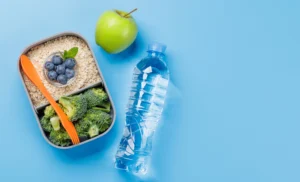
Once clients commit to this approach consistently, the changes tend to show up in more areas than just pain levels; many notice a broader shift in how they feel throughout the month.
- Reduced pelvic pain and cramping: Lower inflammation often translates directly into less intense pain during periods and flare-ups.
- More manageable menstrual bleeding: Anti-inflammatory foods, paired with iron-rich choices, help support the body through heavier cycles more comfortably.
- Improved digestion and less bloating: Fiber-rich, anti-inflammatory foods support gut health, easing the digestive discomfort many people with adenomyosis experience.
- Steadier energy throughout the month: Reducing inflammatory foods and prioritizing iron helps prevent the fatigue crashes so common with heavy bleeding.
- Better overall symptom management: Combined with medical care, dietary changes give many people a stronger sense of control over their condition.
None of this replaces treatment, but for most people, it becomes a meaningful part of managing symptoms long-term rather than just reacting to flare-ups as they happen.
Curious whether this approach also helps with weight management? I’ve covered that in detail here: Is an Anti-Inflammatory Diet Good for Weight Loss?
Why Eat Burn Sleep Approaches Adenomyosis-Friendly Eating Differently
At Eat Burn Sleep, we understand that living with adenomyosis involves more than simply following a list of foods to eat and avoid. While there is no specific diet that can treat adenomyosis, following a balanced, anti-inflammatory lifestyle can be a positive way to support overall health and wellbeing alongside appropriate medical care.
Our approach is built around three connected pillars: Food, Movement, and Wellness. Rather than focusing on nutrition in isolation, Eat Burn Sleep brings together anti-inflammatory foods, appropriate movement, sleep, stress management, and other supportive lifestyle habits.
Members have access to our comprehensive Food Lists, making it easier to understand which foods form part of the Eat Burn Sleep anti-inflammatory approach. There are also over 450 recipes, meal plans, movement content, masterclasses, and expert guidance covering a wide range of health and lifestyle topics.
Education and support are also an important part of the Eat Burn Sleep lifestyle. Members can use the Eat Burn Sleep Forum to ask questions and access further guidance, helping them turn anti-inflammatory principles into realistic everyday habits rather than another restrictive set of rules to follow
Conclusion
Managing adenomyosis is rarely about one single fix; it’s about stacking small, consistent choices that reduce inflammation and support your body over time. An anti inflammatory diet for adenomyosis won’t replace medical treatment, but it can meaningfully ease symptoms, support your energy, and give you more steady, predictable days.
Focus on the foods that calm inflammation, limit the ones that fuel it, and stay consistent rather than perfect. If you’re ready to build this into a sustainable lifestyle with food, movement, and wellness working together, that’s exactly what we help our members do at Eat Burn Sleep.
FAQs
What foods worsen adenomyosis symptoms?
Red meat, refined sugar, alcohol, and highly processed foods are commonly linked to increased inflammation and worsened adenomyosis symptoms.
Can diet help shrink adenomyosis?
Diet alone hasn’t been shown to shrink adenomyosis, but an anti-inflammatory eating pattern can meaningfully reduce inflammation and ease associated symptoms like pain and heavy bleeding.
Is adenomyosis the same as endometriosis?
No, though they’re related. Adenomyosis involves uterine-like tissue growing into the uterine wall, while endometriosis involves similar tissue growing outside the uterus, often on the ovaries or pelvic lining.



Get the EBS app


Frequently Asked Questions

Google Chrome translates the text; therefore, you can choose the language of your preference to read the text. The videos will still be available only in English.
Yes. Chronic inflammation can lead to atherosclerosis (hardening of the arteries) and consequently increases the risk of strokes. Following an anti-inflammatory lifestyle can help soften the arteries and support cardiovascular health.
Do I need to cook while on the EBS Lifestyle?
Not necessarily. You can absolutely eat out by following the Eating Out Guide. This Lifestyle isn’t about perfection — it’s about damage limitation. And if you do want to cook at home, the recipes are simple, approachable, and designed for all skill levels.
Can you eat out while following the EBS Lifestyle?
Yes. There is an Eating Out section on the Eat Burn Sleep platform that will help you choose the best cuisines and the healthiest dishes on the menu when you are eating out.
Is the EBS Lifestyle suitable for me whilst pregnant?
Yes. Many women have used this lifestyle for fertility, during pregnancy, and afterward. Following this lifestyle during pregnancy has many benefits, and there is special personalized advice for Pregnancy & Postpartum. Check it with your doctor first, of course. Stick to your doctor’s supplements advice.