User Placeholder
  • Account
  • Achievements
  • My Favorites
  • Subscriptions
  • Referal

Please log in to view this section.
Please log in to view this section.
Please log in to view this section.
Please log in to view this section.
Please log in to view this section.
I still remember the exact moment I stopped ignoring inflammation. It wasn’t a dramatic health scare; it was smaller than that. Stiff knees before I even got out of bed. Bloating that had nothing to do with what I ate the night before. A kind of low-grade tiredness that no amount of sleep seemed to fix.
That’s usually how chronic inflammation shows up. Quietly. And most people, myself included at one point, brush it off as “just getting older” or “just stress.”

It isn’t always. Sometimes it’s your plate talking.

Over the years of working through nutrition and wellness with clients at Eat Burn Sleep, I’ve built, tested, and refined what I now consider a genuinely practical anti-inflammatory diet meal plan one that doesn’t require a nutrition degree to follow or a grocery budget the size of a mortgage payment. 

This article walks you through exactly what it looks like, why most versions of this diet fail, and how to build one that actually fits real life.

What Is an Anti-Inflammatory Diet Meal Plan?

Most people who try an anti-inflammatory diet quit within a few weeks, not because the science is wrong, but because the approach is wrong. They jump from eating however they want to overhauling everything overnight, cutting out dairy, gluten, sugar, and half their usual meals at once. That kind of shock rarely lasts and usually ends in a burnout binge.

The fix is simpler: start with addition, not subtraction. Add one anti-inflammatory food to each meal first: berries, olive oil, leafy greens, instead of banning things outright. And build around your real schedule, not an ideal one, because a plan that assumes two free hours daily will fail for anyone juggling work and family.

Two more things quietly derail progress. Store-bought sauces, “healthy” bars, and flavored yogurts often hide added sugar and refined oils, working against you even when the rest of your plate looks clean. And don’t ignore sleep and stress; both independently raise inflammation, no matter how well you’re eating.

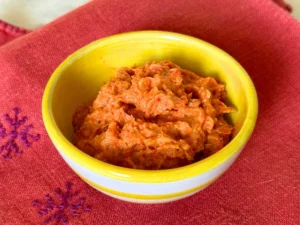
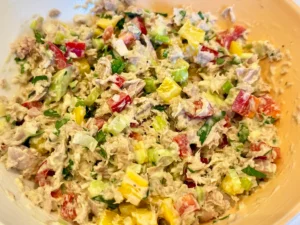
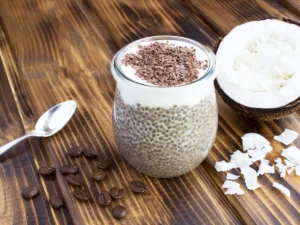
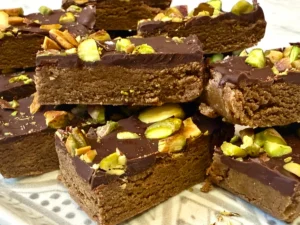
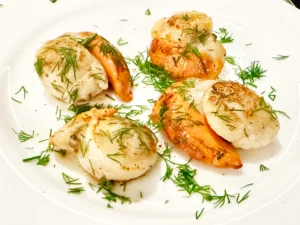
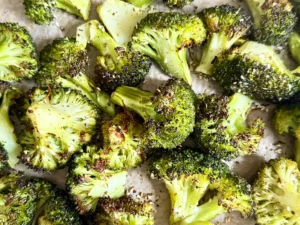
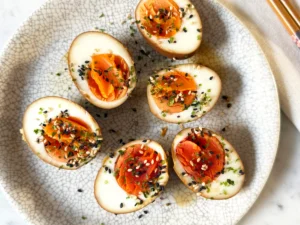
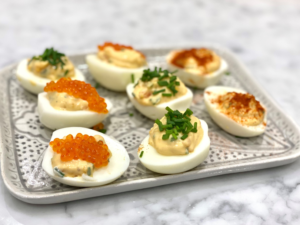
If you’re looking for quick, snack-friendly options to round out your meals, check out these easy anti-inflammatory appetizers; they’re simple to prep and pair well with any day on this plan. 

What Are the Benefits of an Anti-Inflammatory Diet?

What Are the Benefits of an Anti-Inflammatory Diet

Once the eating pattern becomes consistent, the benefits tend to show up gradually, not overnight, but they’re noticeable and, more importantly, they compound over time.

  • Reduced joint pain and stiffness: One of the first things people report, especially those dealing with early-stage arthritis or general age-related stiffness, as anti-inflammatory fats and antioxidants help calm the inflammatory response around joints.
  • Better digestion and less bloating: Follows closely, since fiber-rich vegetables, fruits, and whole grains support gut health, and a healthier gut lining is directly tied to lower systemic inflammation.
  • More stable energy throughout the day: Becomes noticeable too, because this way of eating avoids the blood sugar spikes and crashes that come from refined carbs and sugar, which are a major hidden driver of fatigue.
  • Improved skin clarity: A benefit people don’t always expect, but chronic inflammation is closely linked to skin issues like acne and eczema flare-ups, so reducing it often reflects visibly on the skin.
  • Support for long-term heart and metabolic health: Rounds it out, as multiple studies, including research published via the National Institutes of Health, link anti-inflammatory eating patterns to reduced risk factors for heart disease and type 2 diabetes.

None of these benefits require perfection. They’re the natural result of consistently giving your body more of what reduces inflammation and less of what fuels it.
Chronic inflammation doesn’t just affect people with existing conditions; it touches almost everyone in small, often unnoticed ways. If you want to understand how, read Chronic Inflammation Affects All of Us first. 

Anti-Inflammatory Diet: Budget-Friendly Sample Meal Plan 

One of the biggest myths about this way of eating is that it’s expensive. Salmon and exotic berries aren’t required. A genuinely effective anti-inflammatory diet menu can be built almost entirely from affordable, accessible ingredients.

  • Frozen vegetables and fruits: Just as nutrient-dense as fresh ones and cost significantly less, making them a smart base for daily meals without stretching your budget.
  • Dried or canned beans and lentils: Some of the cheapest anti-inflammatory protein sources available, packed with fiber and plant compounds that support gut and metabolic health.
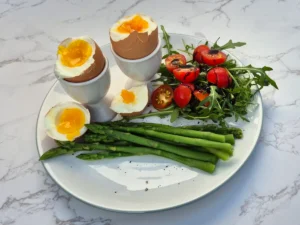
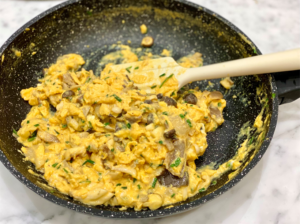
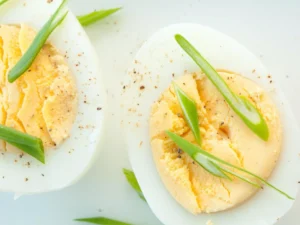
  • Eggs: One of the most affordable, versatile protein options, easy to prepare in bulk for breakfasts or quick lunches throughout the week.
  • Oats and whole grains like brown rice: Can be bought in bulk, stretch across multiple meals, and provide steady, slow-releasing energy instead of sugar spikes.
  • Seasonal produce from local markets: Often both cheaper and fresher than out-of-season imports, and rotating what’s in season naturally keeps your meals varied.

Sample Day:

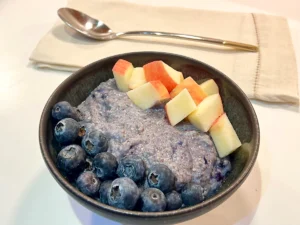
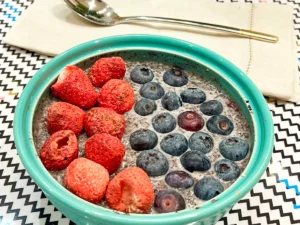
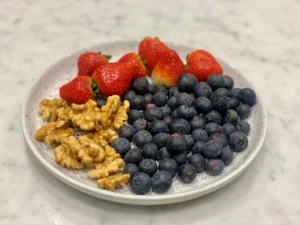
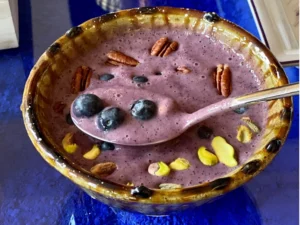
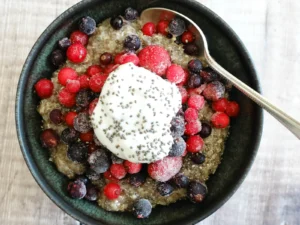
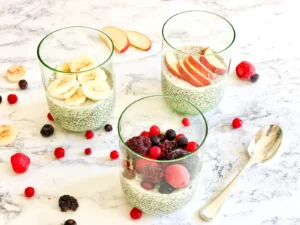
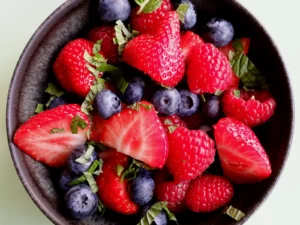
  • Breakfast: Oats cooked with cinnamon, topped with frozen berries and a spoon of ground flaxseed
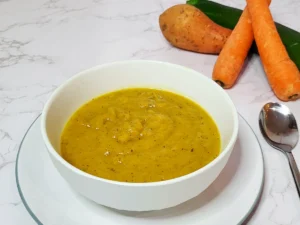
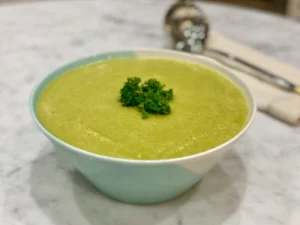
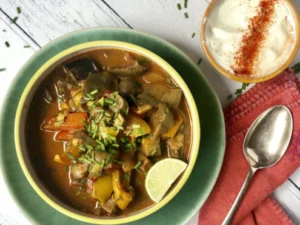
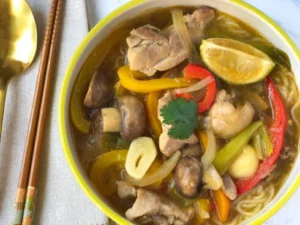
  • Lunch: Lentil and vegetable soup with a side of leafy greens dressed in olive oil and lemon
  • Snack: A small handful of walnuts or roasted chickpeas
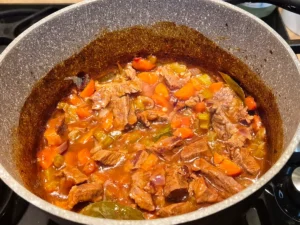
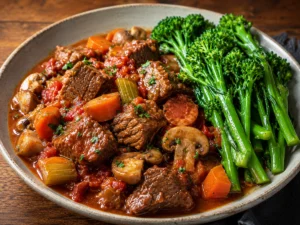
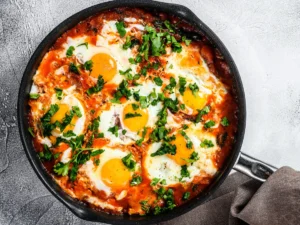
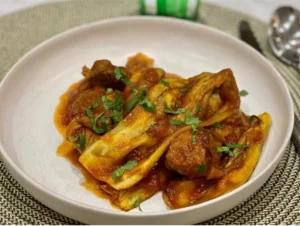
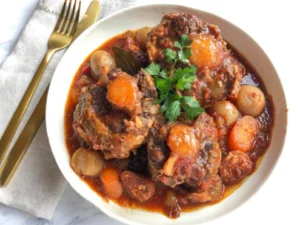
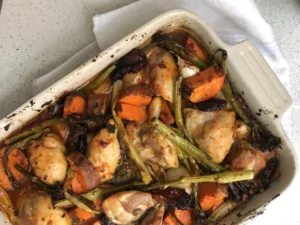
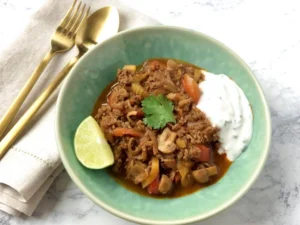
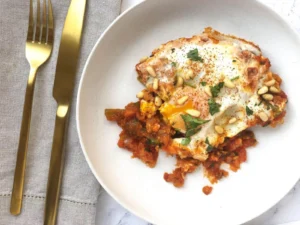
  • Dinner: Baked eggs or a bean-based stew with turmeric, garlic, and seasonal vegetables

This kind of plan keeps grocery bills reasonable while still hitting every core principle of an anti-inflammatory eating pattern: variety, whole foods, healthy fats, and minimal processing.

Curious whether this approach also helps with weight management? I’ve covered that in detail here: Is an anti-inflammatory diet good for weight loss? 

Common Mistakes People Make on an Anti-Inflammatory Diet

Common Mistakes People Make on an Anti-Inflammatory Diet

Even well-intentioned people slip into a few recurring patterns that quietly undermine their results. Recognizing these early makes a real difference.

  • Relying too heavily on “healthy” packaged snacks: A common trap, since many products labeled as healthy still contain refined oils, added sugar, and preservatives that work against the diet’s purpose.
  • Cutting out entire food groups unnecessarily: Happens often, especially with dairy or gluten; even without any sensitivity to them, this usually adds restriction without adding benefit, and makes the plan harder to sustain.
  • Not eating enough overall: An overlooked issue, as people sometimes become so focused on “clean” eating that they under-eat, which can itself raise stress hormones and, indirectly, inflammation.
  • Ignoring healthy fats out of old low-fat habits: Still common, even though fats like olive oil, avocado, and fatty fish are central to reducing inflammation, not something to minimize.
  • Expecting fast results: Leads many people to quit too early, when in reality, most noticeable changes in digestion, energy, and joint comfort take around three to six weeks of consistent eating to show up clearly.

Avoiding these mistakes isn’t about being stricter; it’s about being more accurate with the approach, which is exactly where a lot of generic diet advice falls short.

Gut health plays a bigger role in inflammation than most people realize if you’ve ever wondered how something like food poisoning ties into this, I’ve broken it down here: food poisoning inflammation: why gut health matters 

Why I Built This Into Eat Burn Sleep’s Approach

This is exactly why, at Eat Burn Sleep, food was never designed to sit in isolation. Our approach ties Food, Movement, and Wellness together, because an anti-inflammatory meal plan works far better alongside the right kind of movement and genuine rest, not as a standalone fix.
We guide members through building this eating pattern gradually, the same addition-first, real-life-schedule approach outlined above, paired with movement that supports joint and metabolic health, and wellness habits that address sleep and stress, since both directly influence inflammation levels.

It’s less about a rigid diet and more about a lifestyle rhythm that’s realistic to maintain, which is ultimately why it works long-term for the people we work with.

Conclusion

Inflammation isn’t something you fix in a week, and it isn’t something you fix with restriction alone. What actually works is a consistent, realistic anti-inflammatory diet meal plan, one built around whole foods, smart substitutions, and a schedule you can actually stick to, supported by movement and rest that work with your body instead of against it.

Start small. Add before you subtract. Give it a few consistent weeks. That’s genuinely how lasting change happens, and it’s the same approach we build into every part of the Eat Burn Sleep experience.

FAQs

Can I eat the same breakfast or lunch every day? 

Yes. Repeating meals is completely fine and can even make an anti-inflammatory diet easier to sustain, as long as the meals include a good mix of vegetables, fiber, and healthy fats. Variety matters more across the week than within a single day.

What should I eat a day on an anti-inflammatory diet? 

A typical day should include a mix of vegetables and fruits, a source of healthy fat like olive oil or nuts, a fiber-rich carbohydrate such as oats or whole grains, and a protein source like eggs, fish, or legumes, spread across three balanced meals.

What are the 7 anti-inflammatory foods? 

Commonly recommended anti-inflammatory foods include fatty fish, leafy greens, berries, olive oil, nuts, turmeric, and beans or lentils, all of which are backed by research for their role in lowering inflammation markers.

Can I eat eggs on an anti-inflammatory diet? 

Yes, eggs are generally considered anti-inflammatory-friendly and are a good source of protein and nutrients, unless you have a specific egg sensitivity, in which case it’s worth adjusting based on how your body responds.

clientworking.purpose@gmail.com

Author

clientworking.purpose@gmail.com

Get the EBS app

Trust the process & grow your health

Frequently Asked Questions

Google Chrome translates the text; therefore, you can choose the language of your preference to read the text. The videos will still be available only in English.

Yes. Chronic inflammation can lead to atherosclerosis (hardening of the arteries) and consequently increases the risk of strokes. Following an anti-inflammatory lifestyle can help soften the arteries and support cardiovascular health.

Do I need to cook while on the EBS Lifestyle?
Not necessarily. You can absolutely eat out by following the Eating Out Guide. This Lifestyle isn’t about perfection — it’s about damage limitation. And if you do want to cook at home, the recipes are simple, approachable, and designed for all skill levels.
Can you eat out while following the EBS Lifestyle?
Yes. There is an Eating Out section on the Eat Burn Sleep platform that will help you choose the best cuisines and the healthiest dishes on the menu when you are eating out.

Is the EBS Lifestyle suitable for me whilst pregnant?
Yes. Many women have used this lifestyle for fertility, during pregnancy, and afterward. Following this lifestyle during pregnancy has many benefits, and there is special personalized advice for Pregnancy & Postpartum. Check it with your doctor first, of course. Stick to your doctor’s supplements advice.