 Reboot and Revive


Quick Answer: The best menopause diet focuses on whole, nutrient-rich, anti-inflammatory foods that support hormone balance, gut health, and overall well-being. Eating plenty of vegetables, fruits, lean proteins, healthy fats, and fiber while limiting ultra-processed foods and added sugars may help reduce menopause symptoms such as hot flashes, fatigue, poor sleep, and mood changes.
Hello everyone. Understanding what’s actually going on physiologically can genuinely help you make sense of why you feel the way you do during menopause, and it’s a big part of why I keep coming back to the best menopause diet as the real lever you can actually pull.
You may be surprised that some of your symptoms aren’t entirely menopause-related at all. Menopause can make you feel like your mind and body have been hijacked, but that’s not always the full story.
If you, or anyone you know, is going through the menopause transition, this post is here to bring some genuinely good news. Please spread the word.
Why Do You Feel So Unwell With the Menopause?

With any major physiological shift, there will be challenges, more for some women than others. Not everyone feels unwell during menopause, and it really shouldn’t be viewed as a fearful stretch of a woman’s life.
Some women sail through it with barely any symptoms. Others feel like they’ve been in a tumble dryer all night, walking around in someone else’s body. Menopause can genuinely feel chaotic and out of your control: weight gain, hot flashes, night sweats, vaginal soreness, bloating, brain fog.
Menopause can feel so Chaotic and out of your Control

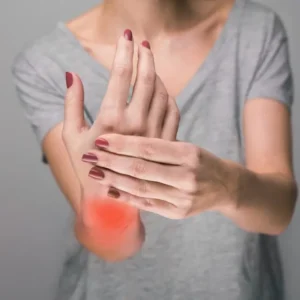
Menopause can leave women feeling uncontrollably moody, agitated, frustrated, indecisive, forgetful, tearful, and more emotionally sensitive than usual. There’s a whole array of symptoms that can show up: joint pain, weight gain, skin conditions, slow healing, and digestive changes. Anxiety can kick in too, alongside muscle pain, urinary incontinence, migraines, lethargy, and low libido.
Your libido might technically still be there, but discomfort and the drop in estrogen in your vaginal tissue can genuinely get in the way of experiencing the same pleasure.
Symptoms around menopause can be managed through an anti-inflammatory diet for menopause, since the decline in hormones and the depletion of eggs in your ovaries are themselves inflammatory events.
Managing Menopause Symptoms Naturally

Premium Members can go straight to the Expert Advice for Perimenopause & Menopause section for every tool you need to get through this transition.
On top of that, everything else you’re living through matters too: how you eat, drink, and move, your stress levels, genetics, toxin exposure, and even what you think about. You can’t control the biological changes behind hormone imbalance and depletion, but you can absolutely intervene on the multifactorial effects layered on top.
Understanding how your body actually works helps you take better care of yourself at every stage.
Is It Really the Menopause or Not?
As I mentioned, some of what you’re experiencing may partly come from things you’re doing day to day, not menopause alone. Discuss your symptoms with a health professional who genuinely specializes in women’s health, and rule out other conditions with proper screening and blood tests.
It’s worth questioning whether you’re truly going through menopause, whether something else is at play, or whether it’s simply time for a lifestyle reset. I’d suggest listing every symptom you’re experiencing and going through them honestly, without dismissing any. What looks like a menopause symptom could be something else entirely, and vice versa.
Plenty of menopause symptoms are genuinely linked to inflammation, and the signs of chronic inflammation can be surprising. They tend to surface at this stage of life because lower estrogen levels drive more inflammatory responses throughout the body.
What Are Inflammatory Responses?

- Brain fog: a recognized part of menopause, since lower serum hormone levels temporarily affect cognition and memory. Brain fog is also a genuine sign of inflammation running through the body. Diabetes and high blood pressure can affect brain health similarly. Depression, at its core, is neuroinflammation.
- Thyroid issues: can lead to weight gain, brain fog, fatigue, and low mood.
- Weight gain: can come from lower estrogen, but it could just as easily be diet, poor sleep, too much alcohol, digestive changes, or lack of exercise. Weight gain is itself linked to inflammatory events, and left unaddressed, feeds into the chronic inflammatory condition of obesity.
- Gut dysbiosis: drives a whole range of issues, including immune dysregulation and reduced production of your “feel good” neurotransmitters, alongside chronic inflammation and neuroinflammation.
- You might feel like crying, or notice increased anxiety, simply because your gut health is off from food, new intolerances, dysbiosis, poor sleep, an overloaded liver, fatigue, or general lifestyle strain.
- “Menopause belly”: can genuinely be gut imbalance from a change in diet, poor sleep, insufficient movement, or stress.
- Decreased libido: can come directly from lower estrogen and testosterone, but medication side effects and the psychological weight of menopause can play just as big a role.
- Medication itself can cause gut dysbiosis, affect sexual function, and even mimic menopausal symptoms.
- Sleep: tied to the estrogen-hypothalamus link, can drive depression, rumination, weight gain, chronic inflammation, and added life stress. Mood and sleep disturbance genuinely feed each other in both directions.
Hot flashes, night sweats, and general sweating all come down to how estrogen affects your hypothalamus, which regulates your temperature control. You can’t change that mechanism directly, but the connection between a proper menopause diet and hot flashes is real; you’re absolutely in control of making positive changes through the right menopause-support diet and lifestyle.
If you’re also looking to lower your cholesterol, check out this article.
Does Alcohol Affect Menopause?

Alcohol causes biological stress and genuinely affects your gut homeostasis, which in turn affects your immunity and neurotransmitter production, all of which feed back into your menopause experience.
It depends on your personal tolerance, which can shift during menopause, but estrogen levels actually rise when you drink. Then, once they drop back down, that’s when doom and gloom, anxiety, irritability, and extra hot flushes tend to hit. It can drive mood swings too.
Alcohol can cause weight gain, depression, mood swings, metabolic issues, and disrupted sleep all symptoms you might be pinning entirely on menopause when alcohol is playing its own part.
Can Menopause Cause Sleep Problems?

Sleep is a huge part of optimum health, and menopause brings real disruption through temperature control going askew, which can significantly affect your quality of life.
It’s not just night sweats causing the disruption either; plenty of factors drive poor sleep patterns, and you may be juggling other personal life stressors at the same time.
Again, lifestyle, food, and drink all play a role, but sleep deprivation itself is linked to a higher risk of chronic inflammation, weight gain, and joint pain. It’s a genuinely vicious cycle: without regular, decent sleep, your energy depletes, depressive symptoms creep in, and that feeling of not being able to cope sets in too.
Check out the article: Weight Loss and The Link To Sleep.
How to Stop Menopausal Weight Gain

If you’re gaining weight despite not changing your healthy lifestyle, and you’ve been on the leaner side for most of your life, I know how disconcerting that feels. So many women tell me they don’t recognize their own bodies anymore, and that’s genuinely upsetting.
It doesn’t mean weight gain during menopause happens to everyone. Still, there is a real reason behind it when it does, all explained in the Expert Advice Section for Perimenopause & Menopause for Premium Members.
You may now have an intolerance to foods that were fine before, which the right menopause diet for weight loss can genuinely help with. You could also be consuming emulsifiers and additives in foods you assumed were healthy. I always advise actually reading ingredient labels. You’d be amazed how many “health foods” in health food stores are packed with inflammatory additives, and how many originally wholesome foods have quietly had additives creep in over time.
You may not have changed your routines at all, but with your hormones fluctuating, those same foods and drinks may simply be too much for your system to metabolize well during this transitional stage. Knowing which foods to avoid during menopause, rather than guessing, makes a genuine difference here.
When you’re facing a sudden change like unexpected weight gain, try not to be too hard on yourself. I always turn my thoughts toward the positive when facing any challenge, physical or otherwise, because it genuinely helps, and it works.
Turn your thoughts positive, and know you can get back on track with this anti-inflammatory diet and lifestyle to treat menopause weight gain and every other symptom alongside it. The genuinely great news is that menopause weight is reversible with Eat Burn Sleep.
Best Exercises to Get Rid of Menopause Belly

Staying fit and active is key to shifting “menopause belly” and easing menopause more broadly.
It can feel like a slog when your weight used to be easy to maintain, but changing up your exercise and movement routine may be exactly the answer. Even if you’re already active, you may need more targeted, regular movement to bring down inflammation, since declining estrogen is itself linked to chronic inflammatory conditions.
The right exercise for menopause supports your bone health and protects against osteoporosis, a genuine concern during these years. It also strengthens the parts of your body that help reduce symptoms; directly strengthening your core, for instance, supports gut health and reduces menopause bloating. Alongside the right best foods for menopause belly, movement is what actually shifts this rather than diet or exercise alone.
You might be doing less dashing around than you used to, or feeling full of lethargy during menopause, and not prioritizing yourself, your food, stress reduction, or sleep. It can be a genuinely overwhelming time.
Benefits of the Best Menopause Diet
Following the best menopause diet can help support your body during perimenopause, menopause, and postmenopause. When combined with healthy lifestyle habits, an anti-inflammatory eating pattern may improve overall health and make menopause symptoms easier to manage.
- Supports hormone balance: Nutrient-rich foods help provide the vitamins and minerals your body needs during menopause.
- Reduces chronic inflammation: An anti-inflammatory diet may help ease symptoms such as joint pain, fatigue, and hot flashes.
- Promotes gut health: Fiber-rich foods nourish beneficial gut bacteria, supporting digestion and immune function.
- Boosts energy levels: A balanced diet helps maintain steady energy throughout the day and may reduce feelings of fatigue.
- Supports heart and bone health: Foods rich in calcium, vitamin D, healthy fats, and protein help protect bones and support cardiovascular health.
- Improves overall well-being: Combining the best menopause diet with regular exercise, quality sleep, and stress management can make the menopause transition more comfortable.
This version matches the heading much better because it focuses on the benefits of the diet, while mentioning lifestyle habits only at the end.
Embark on a Happy, Healthy Lifestyle
This approach reduces inflammation, weight, mood swings, depression, brain fog, cortisol and stress, cholesterol, blood pressure, and water retention, while protecting against the wider consequences of menopause.
Being part of our health community here at Eat Burn Sleep is genuinely inspirational and motivational too. Exchanging coping strategies, sympathy, and empathy with people going through similar situations, and connecting with all of us, gives you extra support. It’s a beautiful thing.
Members: access the Expert Advice Menopause section for guidance on caring for yourself through perimenopause and menopause. There’s also the Masterclass Live on How to Stay Fit Over 35 for more support, plus personalized advice sections for Hormonal Balance and Menopause, Hair Loss Treatments, Depression and Anxiety, Migraines, Insomnia, Bloating, and any other menopause symptom you’re managing.
Treating your body at a systemic level increases the positive impact of nutrient-rich compounds like omega-3s, phytoestrogens, and antioxidants, and it all works synergistically together, promoting wellbeing, energy, and happiness. Oh, and the Eat Burn Sleep “glow.”
What Is the Good News About Menopause?

The best menopause diet can feel genuinely all-encompassing, but rest assured, the symptoms you’re experiencing can be reduced, and they most definitely aren’t forever.
Once you get the right support transitioning to the other side, you’ll feel more energized, happier, clearer, and genuinely fantastic. Imaging studies at Weill Cornell Medicine actually show the brain’s recovery after menopause is associated with increased memory and cognitive performance.
Many women feel beautiful and free at this stage of life: no more PMS, no more periods, no more planning around when to take a holiday or when to have sex.
Relieving yourself of menopause symptoms through Eat Burn Sleep could turn this transition into one of the most liberating, empowering times of your life.
Lifestyle factors genuinely affect how long menopause lasts. By understanding your body, you’re in a far better place to take care of it. As you move through this stage of life, looking after yourself will always be the right call. Treat yourself with kindness.
I hope that you have a great day!
FAQs
Q1. What is the best menopause diet?
The best menopause diet includes plenty of vegetables, fruits, whole grains, legumes, lean proteins, healthy fats, nuts, and seeds. These foods provide essential nutrients that support hormone balance, bone health, heart health, and overall well-being.
Q2. Can diet help reduce menopause symptoms?
Yes. A balanced, anti-inflammatory diet may help reduce symptoms such as hot flashes, night sweats, fatigue, mood changes, and poor sleep. Healthy eating also supports gut health, which plays an important role in inflammation and overall health.
Q3. What foods should you avoid during menopause?
Limiting ultra-processed foods, sugary drinks, refined carbohydrates, excessive alcohol, and highly processed snacks may help reduce inflammation and improve energy, sleep, and hormone-related symptoms during menopause.




Get the EBS app


Frequently Asked Questions

Google Chrome translates the text; therefore, you can choose the language of your preference to read the text. The videos will still be available only in English.
Yes. Chronic inflammation can lead to atherosclerosis (hardening of the arteries) and consequently increases the risk of strokes. Following an anti-inflammatory lifestyle can help soften the arteries and support cardiovascular health.
Do I need to cook while on the EBS Lifestyle?
Not necessarily. You can absolutely eat out by following the Eating Out Guide. This Lifestyle isn’t about perfection — it’s about damage limitation. And if you do want to cook at home, the recipes are simple, approachable, and designed for all skill levels.
Can you eat out while following the EBS Lifestyle?
Yes. There is an Eating Out section on the Eat Burn Sleep platform that will help you choose the best cuisines and the healthiest dishes on the menu when you are eating out.
Is the EBS Lifestyle suitable for me whilst pregnant?
Yes. Many women have used this lifestyle for fertility, during pregnancy, and afterward. Following this lifestyle during pregnancy has many benefits, and there is special personalized advice for Pregnancy & Postpartum. Check it with your doctor first, of course. Stick to your doctor’s supplements advice.