

 Reboot and Revive


Autoimmune diseases are rising globally, affecting millions of people across all age groups.
From Hashimoto’s thyroiditis and Rheumatoid arthritis to Crohn’s disease and Ulcerative colitis, these conditions occur when the immune system mistakenly attacks healthy cells.
If you’re searching for:
- what causes autoimmune disease
- how to reduce inflammation naturally
- how gut health affects autoimmune conditions
This guide breaks down the science — and what you can actually do.
What Is an Autoimmune Disease?
An autoimmune disease is a condition where the immune system becomes dysregulated and begins attacking the body’s own tissues. There are over 80 recognised autoimmune conditions, and while symptoms vary, chronic inflammation is a common underlying factor.
This can affect:
- The gut (Crohn’s, Ulcerative Colitis)
- The thyroid (Hashimoto’s)
- The joints (Rheumatoid Arthritis)
- The skin, hair, brain, and more
What Causes Autoimmune Disease?
There is no single cause of autoimmune disease.
Instead, research shows it is driven by a combination of genetic, environmental, and lifestyle factors.
1. Chronic Inflammation and Immune Dysregulation
Chronic inflammation is one of the most important contributors to autoimmune diseases.
Research published in Nature Reviews Immunology shows that prolonged inflammation can disrupt immune function and increase the risk of autoimmune responses.
Over time, this creates an internal environment where the immune system becomes overactive, and less able to distinguish between harmful and healthy cells.
2. Gut Health and Leaky Gut
Gut health plays a critical role in autoimmune conditions.
According to research by Alessio Fasano, increased intestinal permeability (often called “leaky gut”) is a key factor in the development of autoimmunity.
Why this matters:
- Around 70–80% of the immune system is located in the gut
- A compromised gut lining allows unwanted particles into the bloodstream
- This can trigger immune reactions and inflammation
3. Genetics and Environmental Triggers
Many people with autoimmune disease have a genetic predisposition, but genes alone do not determine outcomes.
Studies in The Lancet confirm that environmental triggers play a major role in activating autoimmune conditions.
Common triggers include:
- Ultra-processed and inflammatory foods
- Chronic stress
- Environmental toxins
- Viral or bacterial infections
4. Blood Sugar Imbalance and Metabolic Stress
Blood sugar imbalance is increasingly recognised as a contributor to inflammation and immune dysfunction.
Research in Cell Metabolism highlights how metabolic stress can directly influence immune system behaviour.
Frequent blood sugar spikes can:
- Increase inflammation
- Disrupt hormonal balance
- Impact gut health
Common Symptoms of Autoimmune Disease
While symptoms vary depending on the condition, common signs include:
- Chronic fatigue
- Digestive issues (bloating, pain, IBS-like symptoms)
- Joint pain and inflammation
- Brain fog
- Skin issues
- Hormonal imbalances
Because symptoms overlap, autoimmune diseases are often underdiagnosed or misdiagnosed in early stages.
Can Autoimmune Disease Be Reversed?
This is one of the most searched questions online. While not all autoimmune diseases can be “cured,” research, my own personal and clinical experience show that:
- Symptoms can be significantly improved
- Inflammation can be reduced
- Remission is possible in some cases
The key lies in addressing the root drivers, and not just managing symptoms.
What Actually Helps Lower Inflammation
This is where many people get overwhelmed or fall into extremes.
In reality, supporting your body doesn’t require restriction or complicated protocols.
It comes back to consistent, foundational habits:
- Eating balanced meals that stabilise blood sugar
- Including anti-inflammatory, whole foods
- Supporting gut health daily
- Prioritising sleep and recovery
- Managing stress in realistic ways
- Avoiding inflammatory workouts and including regular beneficial movement routines
It’s not about perfection. It’s about creating an environment where your body is no longer under constant pressure.
My Own Personal Journey: From Autoimmune Disease to Remission
I was was diagnosed with Ulcerative colitis in 2007 and Autoimmune hemolytic anemia in 2012.
Determined to find answers, I travelled the world working with specialists, nutritionists, and holistic practitioners.
Through years of my research, one key insight became clear:
Chronic inflammation and gut health are central to many autoimmune conditions.
After years of refining my approach, I successfully brought both conditions into remission, and rebuilt my health from the ground up.
This led to the creation of Eat Burn Sleep in 2018.
Today, thousands of people worldwide follow this evidence-based anti-inflammatory lifestyle to support:
- Autoimmune conditions
- Gut health
- Energy and metabolism
- Long-term wellbeing
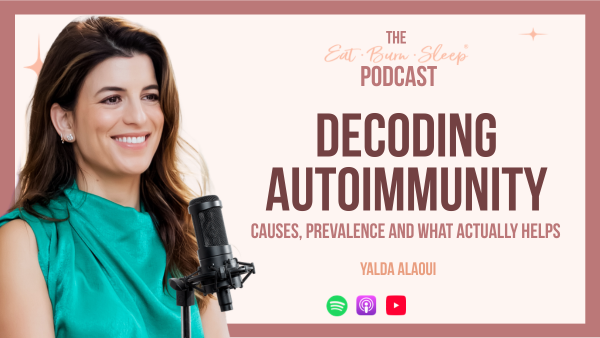
If you’re looking to listen to my full story visit my You Tube Channel and listen to the below podcast episode where I share it all.
How the Eat Burn Sleep Platform Supports This
Rather than focusing on restriction or short-term fixes, the platform is designed to help you:
✔ Reduce inflammation through a structured, anti-inflammatory lifestyle
✔ Support gut health with practical, sustainable nutrition
✔ Stabilise blood sugar and energy levels
✔ Incorporate daily beneficial movement to support metabolism, circulation, and overall health
✔ Build consistent meditation practices that tap into neuroplasticity and support mental and emotional resilience
✔ Build habits that work in real life, not just in theory
✔ Understand how your daily choices impact how your body feels
Want to Learn How to Apply This?
If you’re looking for a structured, science-backed way to reduce inflammation and support autoimmune health, the Eat Burn Sleep platform provides a clear, practical approach.
Inside, you’ll find:
- Anti-inflammatory meal plans
- Gut health support strategies
- Lifestyle protocols designed for real life
- 270 anti inflammatory movement videos
- Targeted mental wellness routines to rewrite cortisol and healing pathways
Explore the Eat Burn Sleep platform below and take the first step toward supporting your health long-term.
https://eatburnsleep.com/about-us/
And if you have any questions, feel free to reach out to us on Instagram.
We’re always happy to help guide you in the right direction.
****
As outlined above, autoimmune conditions typically develop within a complex internal environment shaped by chronic inflammation, immune dysregulation, and gut-related factors.
However, understanding these mechanisms is only the first step.
Applying them correctly, and in the right sequence, is what determines whether symptoms improve consistently or remain unpredictable.
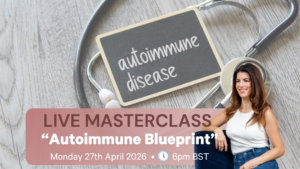
This is exactly what I will be breaking down in the Autoimmune Blueprint Masterclass on the 27th April 2026, on Zoom, at 6pm UK.
→ Register here
****
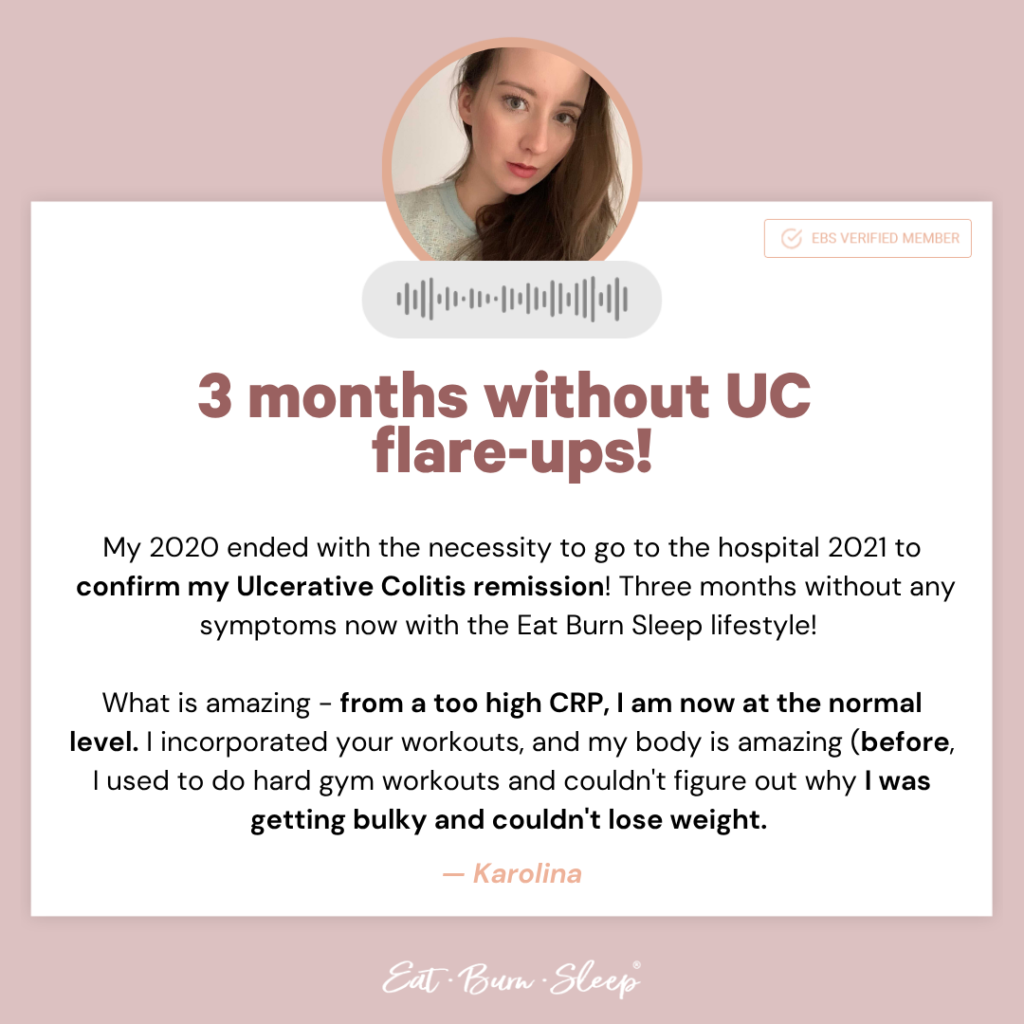
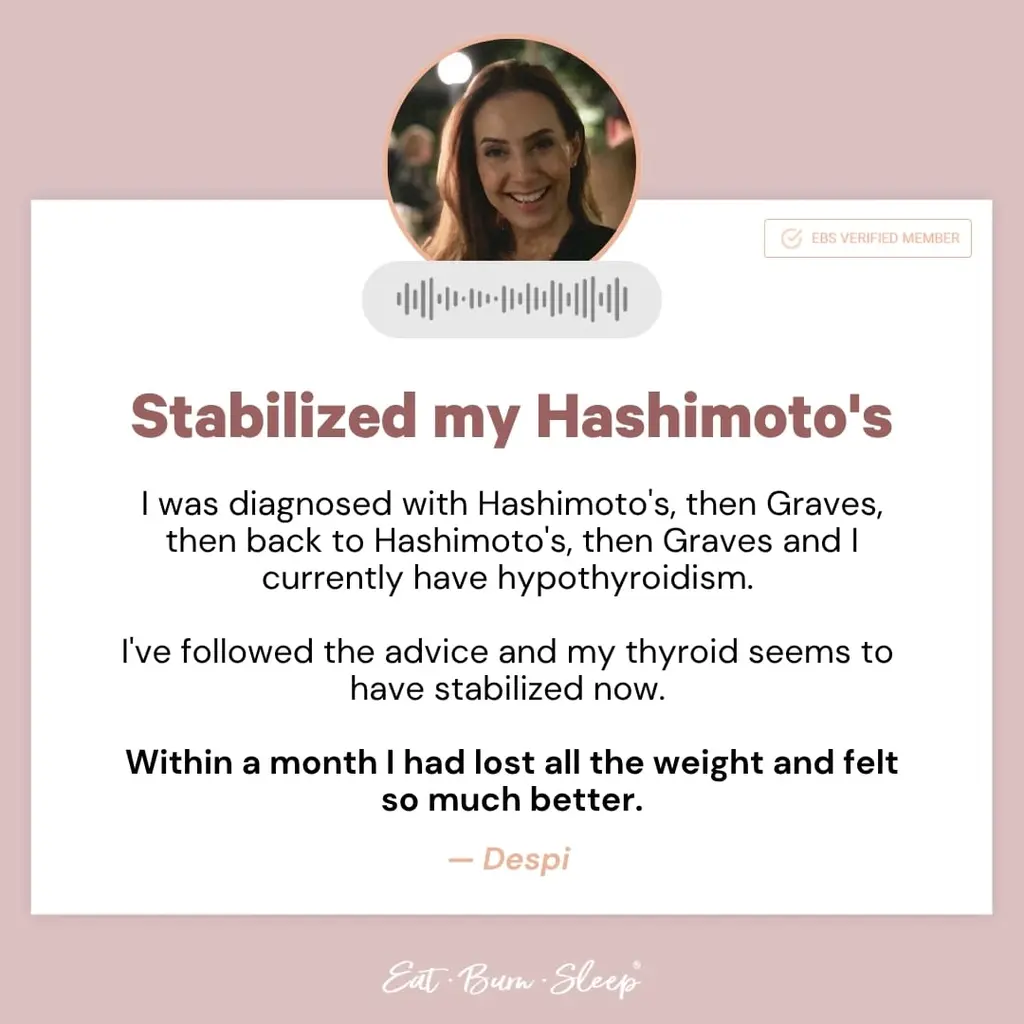
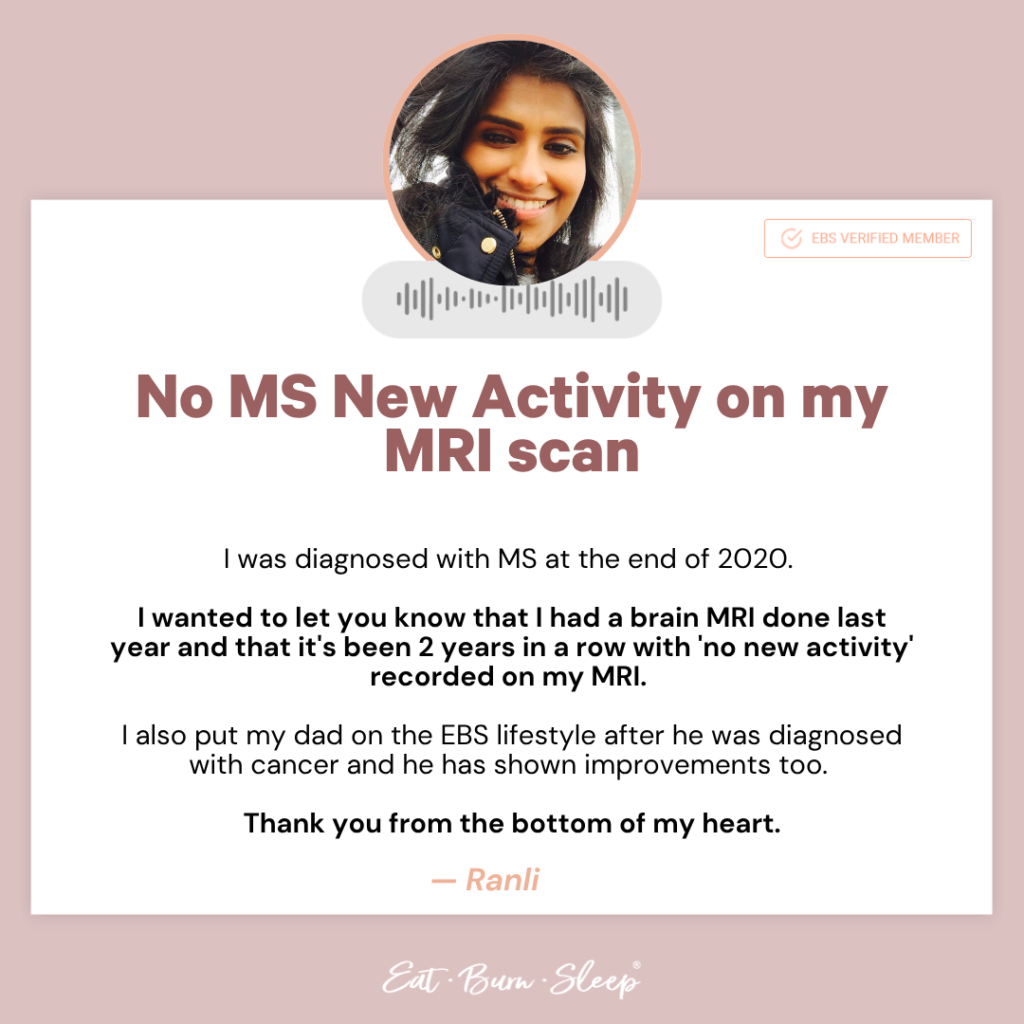
Here are just a few of our incredible Autoimmune Success Stories:


Get the EBS app


Frequently Asked Questions

Google Chrome translates the text; therefore, you can choose the language of your preference to read the text. The videos will still be available only in English.
Yes. Chronic inflammation can lead to atherosclerosis (hardening of the arteries) and consequently increases the risk of strokes. Following an anti-inflammatory lifestyle can help soften the arteries and support cardiovascular health.
Do I need to cook while on the EBS Lifestyle?
Not necessarily. You can absolutely eat out by following the Eating Out Guide. This Lifestyle isn’t about perfection — it’s about damage limitation. And if you do want to cook at home, the recipes are simple, approachable, and designed for all skill levels.
Can you eat out while following the EBS Lifestyle?
Yes. There is an Eating Out section on the Eat Burn Sleep platform that will help you choose the best cuisines and the healthiest dishes on the menu when you are eating out.
Is the EBS Lifestyle suitable for me whilst pregnant?
Yes. Many women have used this lifestyle for fertility, during pregnancy, and afterward. Following this lifestyle during pregnancy has many benefits, and there is special personalized advice for Pregnancy & Postpartum. Check it with your doctor first, of course. Stick to your doctor’s supplements advice.
