 Reboot and Revive


Quick Answer: Yes, eggs are good for weight loss. Their high protein content boosts satiety and burns more calories during digestion (thermic effect), while their low energy density means you get solid nutrition for few calories. Most healthy adults can eat 1–3 eggs a day depending on activity level, but cooking method (boil/poach over frying in butter) and what you pair them with (fiber vs. refined carbs) matter just as much as the number itself. For a plan tailored to your exact numbers, that’s where Eat Burn Sleep comes in.
I get asked this question more than almost anything else: Are Eggs Good for Weight Loss, or just another gym-bro myth recycled on Instagram? Fair question. Eggs have had a rough reputation for decades: first “bad for your heart,” then “the perfect protein.” My honest take: eggs are one of the most underrated tools for weight loss, but only when you understand why they work and how much actually matters for you.
So in this piece, I want to walk you through the actual science, the mistakes I see people make constantly, and the right way to cook your eggs so you’re not damaging your progress. I’ll also cover where eggs fit next to bacon, pickled eggs, and other protein sources you’re probably already eating. No fluff, no filler- just what I’d tell you if you sat down across from me and asked directly.
Are Eggs Actually Good for Weight Loss?
Yes, eggs are good for weight loss mainly because of their protein content and effect on satiety. Research summarized by Australian Eggs shows eggs can increase fullness and reduce short-term food intake compared to carb-heavy breakfasts of similar calories, with around two eggs a day, as part of a calorie-controlled diet, linked to measurable improvements in weight management. (Vander Wall et al., 2008).
That’s where questions like is bacon and eggs good for weight loss, or are pickled eggs good for weight loss, come in. Eggs alone are efficient for weight loss, but daily bacon adds saturated fat and sodium that can offset the benefit. Pickled eggs offer similar protein but with more sodium from the brine. None of this makes eggs “bad”; it just shifts the equation, which is why knowing your own patterns matters more than following a blanket rule.
The mechanism behind this is simple: protein has a higher thermic effect than fat or carbs, so your body burns more calories digesting it. Eggs are also low in energy density, giving you good nutrition and volume for relatively few calories. This high-protein, high-satiety combo is why eggs outperform many quick breakfast options for weight management.
Pairing eggs with anti-inflammatory foods like spinach and berries isn’t just about fiber; it’s part of a bigger picture. Find out if an anti-inflammatory diet is actually good for weight loss.
What Happens When You Fix Your Egg & Protein Intake
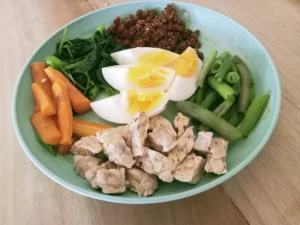
When someone finally gets their egg and protein intake right, the change is almost always faster than they expect. Within the first week or two, the most common thing people report isn’t dramatic weight loss; it’s that they simply stop thinking about food every twenty minutes. That mental quiet is protein doing its job, and eggs are one of the most efficient, affordable ways to get there.
The second thing that shifts is energy consistency. A lot of people who struggle with weight are stuck in a blood-sugar rollercoaster: a carb-heavy breakfast, a crash by 10 a.m., a vending machine snack, repeat. Swapping that pattern for a protein-forward breakfast built around eggs tends to flatten that curve out. You’re not white-knuckling your way through cravings anymore; your body genuinely isn’t asking for food as urgently.
But here’s the part most blogs skip: how fast and how noticeable these changes are depends heavily on your starting point, your activity level, your current calorie intake, your metabolic history, even your sleep. That’s exactly the kind of variable that a generic “eat more eggs” article can’t account for, and it’s the gap we spend most of our time closing with members inside Eat Burn Sleep.
Protein-rich breakfasts like eggs help stabilize blood sugar, but what happens at night matters just as much. Discover how to lose weight and sleep better as part of the same overall strategy.
Why Generic Egg Advice Doesn’t Work for Everyone
Most nutrition content online is written for an imaginary average person who doesn’t actually exist. “Eat two eggs a day” sounds simple enough, but it completely ignores whether you’re a 130-pound woman trying to lose the last stubborn ten pounds or a 220-pound man trying to lose fifty. Those are two entirely different calorie budgets, protein targets, and hunger patterns, yet they’ll read the same advice.
This is where a lot of people get frustrated and quietly give up. They follow the generic egg-diet advice for two weeks, don’t see the results they were promised, and conclude that “eggs don’t work for weight loss” when really, the advice was never built for their body in the first place. Weight loss isn’t a one-size-fits-all math problem; it’s closer to a moving target that shifts as your body adapts.
I’ve watched this pattern repeat itself constantly. Someone finds a viral post about eggs and weight loss, tries it exactly as written, and gets inconsistent results because the post never accounted for their training schedule, their stress levels, or how many other proteins they’re already eating in a day.
Real progress needs a plan built around your numbers, which is precisely the philosophy behind everything we build at Eat Burn Sleep.
Best Way to Cook Eggs for Weight Loss
How you cook your eggs matters almost as much as how many you eat. Two people can eat the same number of eggs and end up with wildly different calorie counts by the end of the week, purely based on cooking method. Here’s what actually matters when you’re trying to keep eggs on the “helpful” side of your calorie budget instead of the “sneaky calorie bomb” side.
- Boil or Poach: Boiled and poached eggs add zero extra calories from oil or butter. They’re also great for meal prep; boil a batch on Sunday for grab-and-go protein all week.
- Watch the Cooking Fat: A tablespoon of butter or oil can quietly add a hundred-plus calories to a “light” breakfast. Use a light oil spray or non-stick pan instead.
- Bacon and Eggs Reality: The eggs are fine; it’s the bacon (fried in grease) that adds the calories and sodium. Choose a suitable alternative or enjoy bacon in line with the recommendations in our Food List guidelines.
- Pair with Fiber: Eggs with white toast and butter aren’t the same as eggs with spinach and berries, even at similar calories. Fiber adds to the protein’s fullness effect, keeping you satisfied longer.
- Skip the Add-Ons: Cheese, cream, and extra butter easily double a scrambled egg meal’s calories. Add flavor with fresh herbs, spices, or a squeeze of lemon instead of calorie-dense mix-ins.
At the end of the day, the cooking method is where a lot of people accidentally undo the benefit they were chasing in the first place. It’s not that any of these methods are “not allowed,” it’s that stacking oil, cheese, bacon, and refined carbs on top of your eggs turns a one-hundred-calorie meal into a five-hundred-calorie one without you noticing. Small swaps here compound fast over a week, a month, and beyond.
Since eggs are processed through the liver along with everything else you eat, keeping this organ functioning well matters too. Learn more about safe liver detox practices for weight loss that support your goals.
How Many Eggs Should You Eat a Day to Lose Weight?
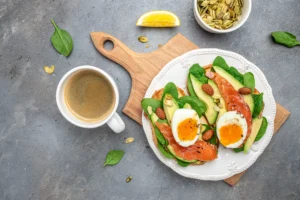
This question comes right after “are eggs good for weight loss?” and it’s the harder one; the honest answer is “it depends.” But research from major health institutions gives useful starting points, and there’s more flexibility here than most people assume.
- One to Two Eggs Daily: Harvard Health says an egg a day doesn’t harm heart health for most people. Mayo Clinic puts a safe range at up to seven eggs a week.
- More for Active Individuals: Regular training or a bigger calorie deficiency raises protein needs, so two to three eggs a day can work for most healthy people.
- Be Conservative with Cholesterol: The American Heart Association suggests roughly one egg a day for most adults, and four to seven a week for those managing cholesterol or diabetes.
- Stretch Intake with Whites: Adding extra egg whites to one or two whole eggs boosts protein and volume without raising dietary cholesterol as much.
- Total Protein Matters More: Eggs are just one part of your protein plan. If you’re already meeting your goals through other foods, you don’t need to force in more eggs.
The honest answer to how many eggs you should eat a day to lose weight is a range, not a fixed number; it depends on your activity level, diet, and health conditions. That’s exactly what we map out individually for each member inside Eat Burn Sleep, instead of guessing from a generic article.
What you eat alongside your eggs also affects inflammation levels in the body, which can quietly stall progress. If you’re curious how this connects to your results, see how inflammation affects weight loss.
Common Mistakes People Make When Eating Eggs for Weight Loss
Even people who genuinely believe eggs are helping their weight loss often undo the benefit without realizing it. These are the mistakes I see repeated constantly, across almost every client and every plan I’ve ever built.
- Not a Free Pass: Calories still count even with protein. Six eggs cooked in butter and cheese can outweigh a balanced meal despite feeling “healthy.”
- Skipping Yolks Every Time: Yolks carry most of the vitamins, healthy fats, and satiety benefits. Going yolk-free often leaves you hungrier sooner, leading to overeating later.
- Wrong Side Pairings: Hash browns, buttered toast, and sugary juice quietly cancel out the benefits of eggs. It’s usually what’s next to them that’s the problem.
- Pickled Eggs Aren’t Equal: They’re low-calorie and protein-dense, but the vinegar brine is high in sodium, which can cause bloating if eaten often.
- Not Reassessing Intake: Your ideal egg count shifts as activity, muscle mass, and metabolism change. Sticking to the same number for months can stall progress.
None of these mistakes mean eggs “don’t work”; they mean the details around eggs matter just as much as the eggs themselves. Portion size, preparation, and what’s on the rest of the plate all decide whether eggs are actively helping your progress or just sitting there as extra calories. Small, consistent adjustments in these areas tend to make a bigger difference than any dramatic diet overhaul.
Eggs aren’t the only low-energy-density food worth building your plate around. Pairing them with other low-calorie, high-volume foods can stretch your calorie budget even further while keeping you full.
How Eat Burn Sleep Personalizes Your Egg and Protein Intake
Everything I’ve walked you through so far is genuinely useful, evidence-backed information, but it’s still general guidance, built to apply to as many readers as possible. The moment you want a plan built specifically around your body, your training schedule, your food preferences, and your actual goal weight, general guidance stops being enough. That’s the gap Eat Burn Sleep was built to close.
Inside our program, we don’t simply tell members to “eat more eggs.” We provide practical, evidence-informed guidance to help you understand the importance of protein and how foods like eggs can fit into a balanced way of eating. Through our Food Lists, recipes, expert advice, and educational content, we help members make informed choices that support their individual health and lifestyle goals.
Our approach also goes far beyond one food, because sustainable weight management isn’t about a single dietary change. Eat Burn Sleep brings together our three key pillars: Food, Movement, and Wellness, with guidance on nutrition, exercise, sleep, stress, and other lifestyle factors that can influence your overall health.
If you’re ready to move away from conflicting health advice and follow a clear, practical approach, our membership gives you the tools, guidance and resources to help you build healthier habits that work for your lifestyle.
Conclusion
So, Are Eggs Good for Weight Loss? Based on the research, the mechanisms, and years of applying this in real programs, the answer is a clear yes, but there’s one important thing to keep in mind. Eggs work because of their protein content, their effect on satiety, and their low energy density, and they can genuinely support a calorie deficit when prepared well and portioned sensibly.
That said, the difference between “eggs are technically good for weight loss” and “eggs are actually helping my weight loss” comes down to the details: how many you eat, how you cook them, what you pair them with, and how that fits into your total daily intake. Generic advice can only take you so far, because it was never built around your specific body, schedule, or goals in the first place.
If you’re tired of piecing together generic advice from different blog posts and want a plan that actually accounts for your numbers, your training, and your lifestyle, that’s exactly what we do inside Eat Burn Sleep. Join a membership built around your body, not an imaginary average person, because that’s ultimately the difference between eggs sitting on your plate and eggs actually moving the needle on your weight loss.
FAQs:
Q. Are eggs good for weight loss?
Yes. Eggs are high in protein and low in energy density, which boosts satiety and helps burn more calories during digestion (thermic effect), making them a solid addition to a calorie-controlled diet.
Q. How many eggs should I eat a day to lose weight?
Most healthy adults can eat 1 to 2 eggs daily, while active individuals or those in a bigger calorie deficit may benefit from 2 to 3. People managing cholesterol or diabetes should stay closer to 4 to 7 eggs a week.
Q. What’s the best way to cook eggs for weight loss?
Boiling or poaching is best since it adds zero extra calories from oil or butter. If frying or scrambling, use a light oil spray or non-stick pan instead of butter.



Get the EBS app


Frequently Asked Questions

Google Chrome translates the text; therefore, you can choose the language of your preference to read the text. The videos will still be available only in English.
Yes. Chronic inflammation can lead to atherosclerosis (hardening of the arteries) and consequently increases the risk of strokes. Following an anti-inflammatory lifestyle can help soften the arteries and support cardiovascular health.
Do I need to cook while on the EBS Lifestyle?
Not necessarily. You can absolutely eat out by following the Eating Out Guide. This Lifestyle isn’t about perfection — it’s about damage limitation. And if you do want to cook at home, the recipes are simple, approachable, and designed for all skill levels.
Can you eat out while following the EBS Lifestyle?
Yes. There is an Eating Out section on the Eat Burn Sleep platform that will help you choose the best cuisines and the healthiest dishes on the menu when you are eating out.
Is the EBS Lifestyle suitable for me whilst pregnant?
Yes. Many women have used this lifestyle for fertility, during pregnancy, and afterward. Following this lifestyle during pregnancy has many benefits, and there is special personalized advice for Pregnancy & Postpartum. Check it with your doctor first, of course. Stick to your doctor’s supplements advice.