 Reboot and Revive


Quick Answer: Coffee can support weight loss by boosting metabolism slightly and reducing appetite in the short term, thanks to caffeine’s thermogenic effect. However, the impact is modest, tends to fade with regular use, and depends heavily on how you drink it. Black coffee works very differently than a sugary, high-calorie coffee drink.
If you’ve ever reached for a cup of coffee hoping it might give your metabolism a little push, you’re definitely not alone it’s one of the most common questions I get asked in consultations, right up there with “what should I eat for breakfast” and “is fasting worth trying.”
A little more nuanced than a simple yes or no. Coffee can support weight loss in certain ways, but it’s not the magic fat-burning drink social media sometimes makes it out to be. It won’t undo a poor diet, and it definitely won’t replace movement or sleep, but used the right way, it can genuinely work in your favor rather than against it.
So let’s actually break down does coffee help with weight loss, what’s happening in your body when you drink it, how much of an effect you can realistically expect, and how to build it into your routine without falling into the common traps that quietly cancel out the benefit.
What’s Really Happening When You Drink Coffee for Weight Loss?
Caffeine, the main active compound in coffee, stimulates your central nervous system and temporarily increases your metabolic rate through a process called thermogenesis. This means your body burns slightly more calories at rest for a short window after drinking it.
Coffee also triggers the release of adrenaline, which signals fat cells to break down stored fat and release it into the bloodstream as fuel. On top of that, many people notice a mild appetite-suppressing effect shortly after drinking coffee, which can help with portion control earlier in the day.
None of this makes coffee a weight loss solution on its own, but it does explain why so many people notice a small, real effect, especially when they’re new to caffeine or drinking it strategically rather than constantly throughout the day.
If you’re curious about coffee’s broader health effects beyond weight loss, I’ve covered that in detail here: Is Coffee Good For You?
How Coffee Affects Metabolism and Fat Burning
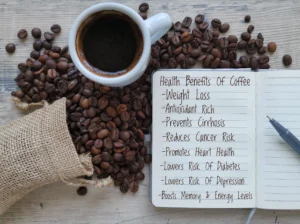
Here’s a closer look at exactly what caffeine does inside your body once it kicks in, and why it’s earned a reputation as a mild metabolism booster.
- Boosts resting metabolic rate temporarily: Caffeine can increase calorie burn by a modest percentage for a few hours after consumption.
- Increases fat oxidation: Studies have shown caffeine can enhance the body’s ability to use fat as fuel, particularly during exercise.
- Stimulates adrenaline release: This signals fat cells to break down stored fat and release it into the bloodstream as usable energy.
- Builds tolerance over time: Regular coffee drinkers often experience a smaller metabolic effect than occasional drinkers, since the body adapts to caffeine.
- Works best before physical activity: The fat-burning effect is more noticeable when caffeine is paired with movement rather than consumed at rest.
- Can suppress appetite mildly: Many people notice reduced hunger shortly after drinking coffee, which may support portion control earlier in the day.
Research published in the American Journal of Clinical Nutrition has shown that caffeine can increase energy expenditure by a small but measurable amount, though the effect varies significantly from person to person. It’s a helpful nudge, not a dramatic transformation.
Best Ways to Drink Coffee for Weight Loss
If you want coffee to actually work in your favor rather than against your goals, a few simple habits make all the difference in how much benefit you actually get from it.
- Stick to black coffee: Skip the sugar, syrups, and heavy cream, which can quickly turn a low-calorie drink into a 300+ calorie dessert without you even realizing it.
- Time it before workouts: Drinking coffee 30 to 45 minutes before exercise can enhance fat-burning during your session by increasing fat availability as fuel.
- Avoid drinking it too late in the day: Afternoon or evening coffee can disrupt sleep quality, and poor sleep is one of the biggest hidden factors working against weight loss.
- Be mindful of added extras: Flavored creamers, sweeteners, and “healthy” coffee add-ins can add up quickly, even in small amounts spread across a few cups a day.
- Pair it with protein, not on an empty stomach for long periods: Drinking coffee alone for hours can spike cortisol and leave you more prone to overeating later.
- Keep portions in check: A regular-sized cup offers the benefits without pushing your caffeine intake into a range that starts working against you.
This just scratches the surface of how coffee fits into a broader weight loss and metabolic health strategy. For more personalized guidance on how nutrition choices like this affect your body specifically, our premium membership goes into far more depth than a single article can.
Does Coffee Help With Weight Loss?
Overall, the research suggests coffee can offer a small, supportive boost to weight loss efforts, primarily through its effects on metabolism and appetite. However, it works best as part of a broader approach that includes balanced nutrition, regular movement, and good sleep, not as a standalone strategy.
People who see the best results tend to use coffee strategically rather than relying on it to offset poor dietary habits elsewhere. In other words, coffee can help move the needle slightly, but it won’t outwork an otherwise inconsistent routine.
Common Mistakes People Make When Using Coffee for Weight Loss
Even with good intentions, I see the same few habits undo any benefit coffee could otherwise offer, often without people even realizing what’s causing the stall.
- Loading it with sugar and cream: This can add hundreds of extra calories a day without realizing it, quietly turning a helpful habit into a hidden setback.
- Drinking too much, too often: Excess caffeine can increase cortisol levels, which may actually work against fat loss and increase stubborn belly fat storage over time.
- Using coffee to suppress hunger instead of eating properly: This often backfires later in the day with intense cravings and overeating once the appetite-suppressing effect wears off.
- Expecting dramatic results: Coffee offers a modest boost, not a substitute for nutrition and movement fundamentals; treating it as the main strategy usually leads to disappointment.
- Drinking it too late and disrupting sleep: Poor sleep is closely linked to weight gain, increased hunger hormones, and a slower metabolism the next day.
- Relying on caffeine instead of addressing real fatigue: Constant coffee use to push through tiredness can mask underlying issues like poor sleep or nutrient gaps that need to be fixed directly.
Most of these mistakes come from treating coffee as a shortcut rather than a small, supportive tool. Once it’s used the right way, it becomes a helpful addition rather than a source of frustration.
If excess caffeine or cortisol concerns sound familiar, it’s worth reading Is Coffee Bad for You? for a fuller picture.
How Eat Burn Sleep Can Support You Further
At Eat Burn Sleep, we look at questions like this does coffee help with weight loss as just one small piece of a much bigger picture. Nutrition habits like this work best when they’re supported by the right movement and lifestyle choices around them, not treated in isolation.
This article covers the fundamentals, but everyone’s body responds differently to caffeine, stress, and daily habits. If you want guidance built around your own routine and goals, our Expert Advice and membership program are designed to go much deeper than what’s covered here.
Conclusion
So, does coffee help with weight loss? In moderation and used strategically, yes, it can offer a small metabolic boost, support fat oxidation, and help with appetite control, especially when timed around your workouts. But it’s a supporting habit, not a solution on its own, and treating it as a shortcut is where most people end up disappointed.
Stick to black coffee, time it wisely, watch the extras you’re adding, and pair it with consistent nutrition, movement, and sleep for the best results. The small choices around how and when you drink it matter far more than the coffee itself. If you want more personalized support beyond what’s covered here, our Expert Advice and membership program are built for exactly that next step.
FAQs
Does black coffee burn belly fat?
Black coffee can slightly boost metabolism and fat oxidation, but it doesn’t specifically target belly fat on its own; overall diet and activity levels matter far more.
How many cups of coffee should I drink for weight loss?
Most research suggests 1 to 3 cups a day is enough to see mild metabolic benefits, though individual caffeine tolerance varies.
Is coffee better than tea for weight loss?
Both offer benefits; coffee tends to have a slightly stronger metabolic effect due to higher caffeine content, while tea offers additional antioxidants with a gentler impact.



Get the EBS app


Frequently Asked Questions

Google Chrome translates the text; therefore, you can choose the language of your preference to read the text. The videos will still be available only in English.
Yes. Chronic inflammation can lead to atherosclerosis (hardening of the arteries) and consequently increases the risk of strokes. Following an anti-inflammatory lifestyle can help soften the arteries and support cardiovascular health.
Do I need to cook while on the EBS Lifestyle?
Not necessarily. You can absolutely eat out by following the Eating Out Guide. This Lifestyle isn’t about perfection — it’s about damage limitation. And if you do want to cook at home, the recipes are simple, approachable, and designed for all skill levels.
Can you eat out while following the EBS Lifestyle?
Yes. There is an Eating Out section on the Eat Burn Sleep platform that will help you choose the best cuisines and the healthiest dishes on the menu when you are eating out.
Is the EBS Lifestyle suitable for me whilst pregnant?
Yes. Many women have used this lifestyle for fertility, during pregnancy, and afterward. Following this lifestyle during pregnancy has many benefits, and there is special personalized advice for Pregnancy & Postpartum. Check it with your doctor first, of course. Stick to your doctor’s supplements advice.