 Reboot and Revive


Fish is one of the most nutritious foods we can include in our diet, providing high-quality protein, essential vitamins, minerals and, in oily varieties, beneficial omega-3 fatty acids. However, not all fish offer the same nutritional benefits, and understanding which varieties to choose can help support long-term health.
Omega-3 Fatty Acids and Inflammation
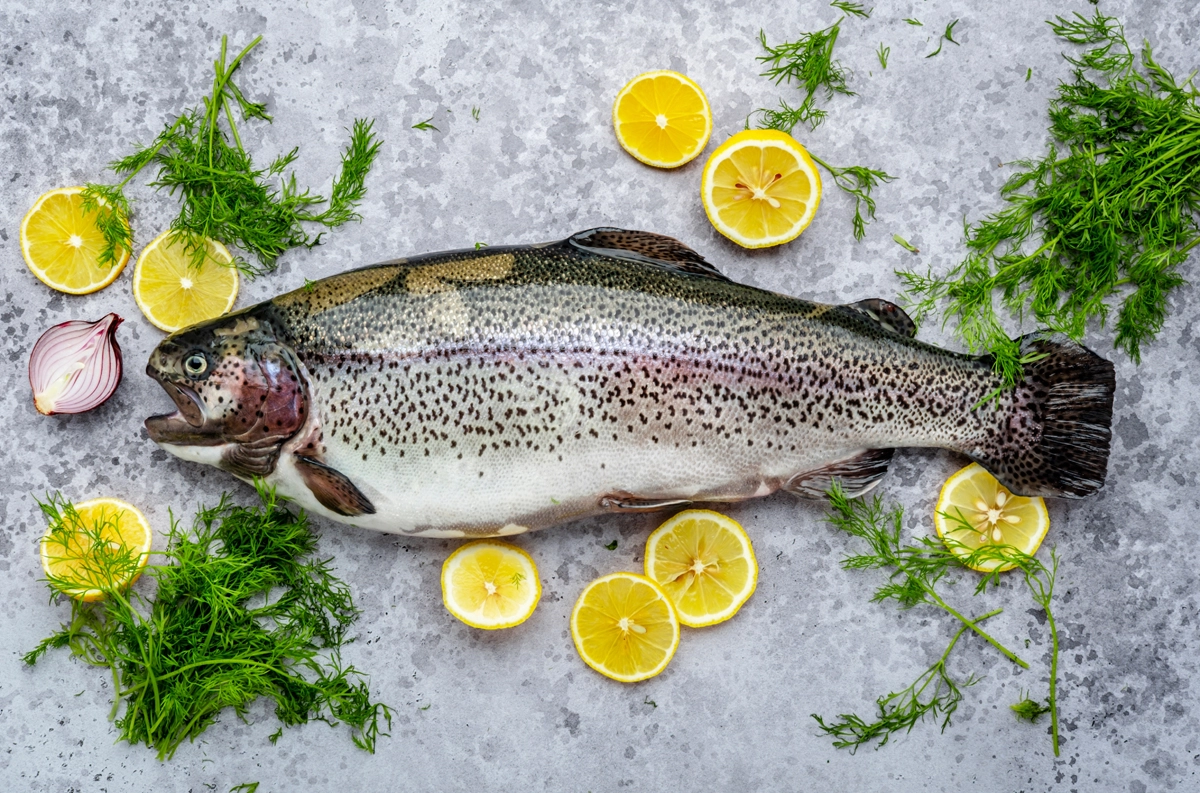
Oily fish, including salmon, sardines, mackerel, herring and trout, are particularly rich in the omega-3 fatty acids EPA and DHA.
These essential fats play an important role in regulating inflammation by supporting the production of compounds involved in resolving inflammatory responses. They also contribute to cardiovascular health, brain function and overall wellbeing.
Research suggests that consuming oily fish regularly may help support a healthier inflammatory balance, particularly when combined with a varied, nutrient-rich diet.
Fish and Gut Health: What Does the Research Say?
Emerging research is exploring the relationship between omega-3 fatty acids and the gut microbiome.
Studies suggest that omega-3s may influence the composition and activity of intestinal bacteria, including those involved in producing beneficial short-chain fatty acids. These compounds help nourish cells lining the colon and contribute to normal intestinal barrier function.
Omega-3s are also being investigated for their potential role in regulating intestinal inflammation, particularly in conditions such as inflammatory bowel disease.
Although findings are promising, more high-quality human studies are needed to establish whether eating fish directly improves gut microbiome diversity or digestive symptoms.
Importantly, fish should be viewed as one component of a gut-supportive diet rather than a standalone solution.
Choosing Fish Wisely: What About Mercury?
Larger, longer-lived predatory fish can accumulate higher concentrations of mercury, which may affect the nervous system.
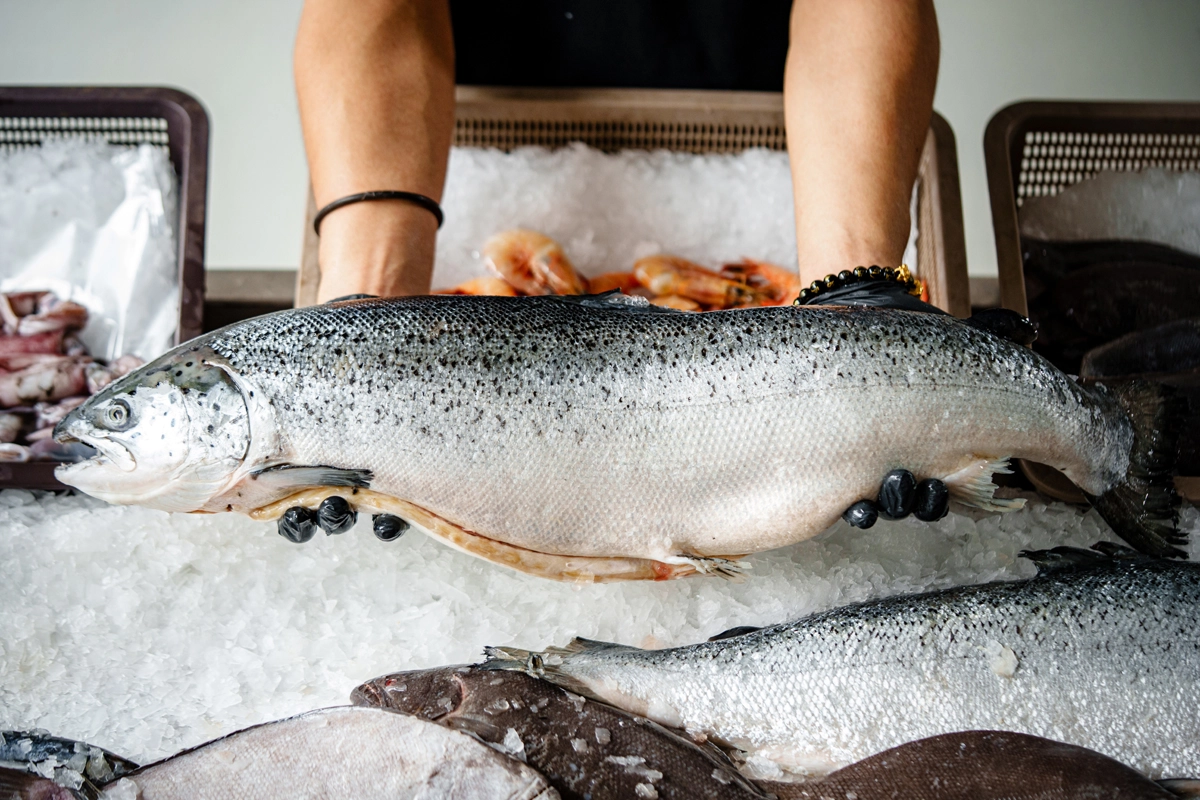
Salmon, sardines, Atlantic mackerel, trout, cod and pollock are generally lower-mercury choices.
Both wild and farmed salmon are considered low in mercury and provide valuable nutrients, although their omega-3 content can vary.
Higher-mercury species include swordfish, shark, marlin, king mackerel and bigeye tuna. Recommendations vary according to age, pregnancy and individual circumstances.
How Much Fish Should You Eat?
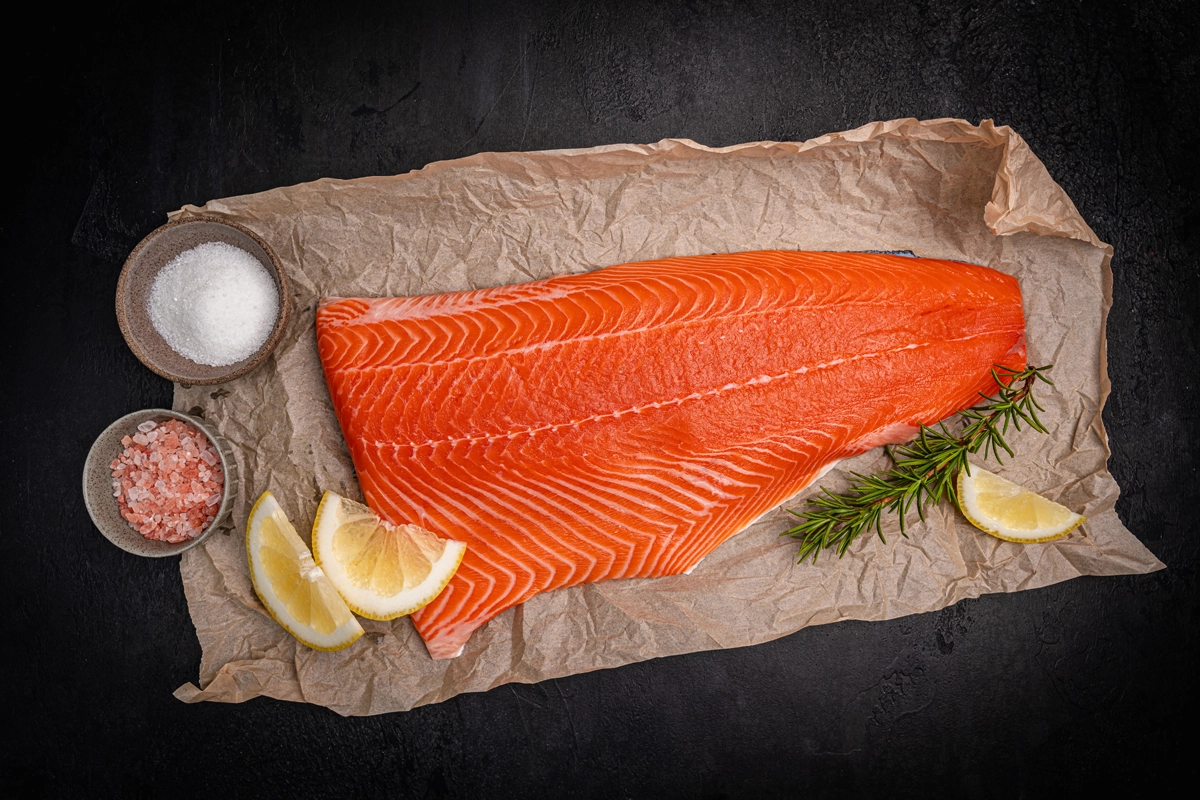
The NHS recommends eating at least two portions of fish weekly, including one portion of oily fish. An adult portion is approximately 140g cooked.
Women who could become pregnant, including those who have not been through menopause, are advised to limit oily fish to two portions weekly because of potential pollutant exposure.
Choosing a variety of fish, alongside colorful vegetables, fibre-rich carbohydrates and healthy fats, is a practical way to support a balanced, anti-inflammatory eating pattern.
Discover More with Eat Burn Sleep Memberships
At Eat Burn Sleep, we believe supporting gut health and managing inflammation should be enjoyable, practical and sustainable.
Our memberships provide access to hundreds of anti-inflammatory recipes, structured meal plans, shopping lists, educational masterclasses, expert health advice and movement resources to help you build healthier habits.
Whether you’re looking to introduce more omega-3-rich fish into your diet, improve your meal variety or explore the relationship between nutrition, gut health and inflammation, our platform offers guidance and inspiration.
Explore Our Delicious Fish and Seafood Recipes
- Teriyaki Salmon – A flavorful way to enjoy omega-3-rich salmon.
- Mackerel and Beetroot Salad – A colorful combination of oily fish and vegetables.
- Cod and Sweet Potato Traybake – A simple, nourishing meal featuring lean protein.
- Salmon and Broccolini Ramen – A comforting meal combining fish and vegetables.
- Prawn and Sweet Potato Thai Curry – A warming, aromatic seafood dish.
- Pesto Salmon Traybake – An easy option for busy evenings.
- Cod Ceviche – A fresh, zesty seafood dish that’s light and refreshing.
- Zesty Sicilian Lemon Sea Bass With Balsamic Drizzle – A vibrant fish dish combining citrus flavors with a rich balsamic finish.
- Miso Cod – A delicate, flavorful dish featuring tender cod with a savory miso glaze.
Discover these recipes and much more through your Eat Burn Sleep membership, and make anti-inflammatory eating a natural part of everyday life.



Get the EBS app


Frequently Asked Questions

Google Chrome translates the text; therefore, you can choose the language of your preference to read the text. The videos will still be available only in English.
Yes. Chronic inflammation can lead to atherosclerosis (hardening of the arteries) and consequently increases the risk of strokes. Following an anti-inflammatory lifestyle can help soften the arteries and support cardiovascular health.
Do I need to cook while on the EBS Lifestyle?
Not necessarily. You can absolutely eat out by following the Eating Out Guide. This Lifestyle isn’t about perfection — it’s about damage limitation. And if you do want to cook at home, the recipes are simple, approachable, and designed for all skill levels.
Can you eat out while following the EBS Lifestyle?
Yes. There is an Eating Out section on the Eat Burn Sleep platform that will help you choose the best cuisines and the healthiest dishes on the menu when you are eating out.
Is the EBS Lifestyle suitable for me whilst pregnant?
Yes. Many women have used this lifestyle for fertility, during pregnancy, and afterward. Following this lifestyle during pregnancy has many benefits, and there is special personalized advice for Pregnancy & Postpartum. Check it with your doctor first, of course. Stick to your doctor’s supplements advice.