 Reboot and Revive


Quick Answer: Ginger tea can modestly support weight loss by boosting digestion, reducing bloating, and slightly increasing thermogenesis. It’s not a fat-burning miracle, but as recommended by Eat Burn Sleep, when used consistently alongside good nutrition and movement, it can be a helpful, low-calorie addition to your routine.
If you’ve been sipping ginger tea hoping it might help you shed a few pounds, you’re not chasing a myth, but you’re probably expecting more than it can realistically deliver on its own. Ginger has been used for centuries as a digestive aid, and only in recent years has research started catching up to explain why it’s become such a popular weight loss ritual.
This is one of the questions I get asked constantly, usually right alongside “does coffee help with weight loss” and “what’s the best detox tea?” People want a simple habit that actually makes a difference without turning their routine upside down, and ginger tea often fits that description better than most trendy alternatives.
So let’s actually get into it: is ginger tea good for weight loss, what’s realistically happening in your body when you drink it, how it compares to other habits you might already be trying, and how to use it in a way that genuinely supports your goals instead of just being another passing trend.
This article is meant to inform, not replace medical advice. If you’re pregnant, managing a health condition, or taking medication, check with your doctor before making ginger tea a regular habit.
What’s Really Happening When You Drink Ginger Tea for Weight Loss?
Ginger contains a compound called gingerol, which is responsible for most of its health benefits, including its impact on digestion and metabolism. When you drink ginger tea, gingerol interacts with your digestive system in ways that can reduce bloating, ease nausea, and support more efficient digestion overall.
Beyond digestion, ginger has also been shown to have a mild thermogenic effect, meaning it can slightly raise your body’s internal temperature and, in turn, the number of calories you burn at rest. This effect is subtle, but it adds up when combined with other consistent habits throughout the day.
Ginger tea is also naturally calorie-free when made without added sugar, which makes it an easy swap for higher-calorie drinks. On its own, this swap won’t create dramatic weight loss, but it removes empty calories that can quietly add up over weeks and months.
If you’re looking to build more of these low-effort swaps into your routine, it’s worth exploring Low-Calorie Foods for Weight Loss as well.
Is Ginger Tea Good for Weight Loss?

Based on the research available, ginger tea can offer a small, genuine boost to weight loss efforts, primarily through improved digestion, reduced bloating, and a mild metabolic effect. It’s not going to replace the fundamentals of nutrition and movement, but it can be a helpful, low-effort addition to a broader routine.
Research published in the Journal of the Science of Food and Agriculture has noted ginger’s role in supporting metabolic health and reducing markers associated with weight gain, though researchers consistently note that effects are modest compared to lifestyle factors overall.
The people who see the best results from ginger tea are usually the ones using it as one small piece of a bigger picture, rather than expecting it to do the heavy lifting on its own. Used this way, it becomes a genuinely useful habit rather than a source of false hope.
Why Ginger Tea Is Linked to Weight Loss in the First Place
Ginger has been used for centuries in traditional medicine for digestive support, and modern research has started to catch up with what many cultures already believed: that it genuinely supports a healthier metabolism. This long history is part of why it’s become such a popular natural addition to weight loss routines today.
Part of the appeal also comes from ginger’s ability to reduce bloating and water retention, which can make people feel and look leaner almost immediately, even before any actual fat loss occurs. This immediate, visible effect often gets mistaken for direct fat burning, when it’s really more about digestive comfort.
Ginger also has a mild appetite-regulating effect for some people, which can indirectly support weight loss by reducing unnecessary snacking. Combined with its role in easing digestion, it’s easy to see why ginger tea has earned its reputation as a supportive, rather than transformative, weight loss habit.
Ginger’s anti-inflammatory properties also play a role here, since inflammation itself can influence weight. I’ve explored that connection further in How Much Does Inflammation Affect Weight Loss?
How Ginger Tea Affects Metabolism and Fat Burning
Here’s a closer look at what’s actually happening inside your body when ginger tea becomes part of your routine, and why it’s earned its reputation as a metabolism-friendly drink.
- Supports mild thermogenesis: Ginger can slightly raise your metabolic rate, helping your body burn a few extra calories throughout the day. This effect is gentle, but combined with other habits, it adds up meaningfully over weeks.
- Improves digestive efficiency: Better digestion means your body processes and absorbs nutrients more effectively, which supports overall metabolic health. When digestion runs smoothly, your body also has an easier time regulating hunger cues accurately.
- Reduces bloating and water retention: This can lead to a flatter, more comfortable stomach within days of consistent use. Many people find this visible change motivating, even before any real fat loss has occurred.
- May support healthy blood sugar levels: Some research suggests ginger can help regulate blood sugar, which plays a role in preventing fat storage triggered by spikes and crashes. Steadier blood sugar also means fewer sudden cravings throughout the day.
- Provides a calorie-free alternative to sugary drinks: Replacing higher-calorie beverages with ginger tea removes empty calories without much effort. Over time, this simple swap alone can meaningfully reduce your total daily calorie intake.
None of these effects are dramatic on their own, but together they create a small, consistent advantage that supports weight loss when paired with a balanced diet and regular movement.
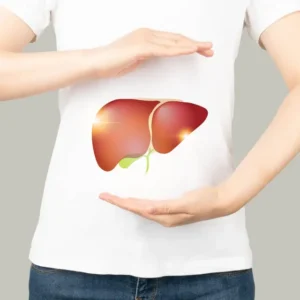
If detox is part of what drew you here, it’s worth understanding the safer, evidence-based side of that topic too: Safe Liver Detox for Weight Loss.
Best Time to Drink Ginger Tea for Weight Loss

Timing isn’t everything, but it does make a noticeable difference in how effective ginger tea feels as part of a weight loss routine.
- First thing in the morning: Drinking ginger tea on an empty stomach can help kickstart digestion and metabolism for the day ahead. It’s also a great low-calorie alternative to jumping straight into coffee or sugary breakfast drinks.
- About 30 minutes before meals: This timing may help reduce overeating by supporting a mild sense of fullness. It’s a simple habit that can naturally lead to smaller, more mindful portions without any extra effort.
- After heavier meals: Ginger tea can ease bloating and support digestion when your stomach feels overly full. Many people find it more comfortable than lying down or reaching for antacids after a large meal.
- Before light physical activity: Some people find a small energy and digestion boost that makes them feel more comfortable. This can make it easier to stay consistent with workouts, especially earlier in the day.
- Avoiding it too close to bedtime: Ginger can be mildly stimulating for some people, which may interfere with falling asleep easily. Since sleep plays a major role in weight management, this timing detail is worth paying attention to.
Finding a consistent time that fits naturally into your day matters more than chasing a “perfect” schedule; consistency is what actually produces results over time.
Side Effects of Drinking Too Much Ginger Tea
Ginger tea is generally safe, but like most things, more isn’t always better, and it’s worth knowing what to watch for.
- Digestive discomfort: Drinking too much can cause heartburn, acid reflux, or an upset stomach in sensitive individuals. Starting with smaller amounts and gradually increasing can help you gauge how your body responds.
- Blood thinning effects: Ginger has mild blood-thinning properties, which can be a concern for people on blood-thinning medication. This makes it especially important to check with a doctor before making it a daily habit if you fall into this group.
- Interactions with certain medications: Ginger can interact with medications for blood pressure or diabetes, so it’s worth checking with a doctor if you’re on either. Even natural ingredients can affect how prescribed medications work in the body.
- Mouth or throat irritation: In larger amounts, ginger’s spiciness can cause mild irritation for some people. Diluting it with more water or pairing it with lemon can help ease this for sensitive individuals.
- Disrupted sleep if consumed late: Its mild stimulating effect can make falling asleep more difficult when consumed too close to bedtime. Shifting your last cup to earlier in the evening usually resolves this easily.
Sticking to one to three cups a day is generally considered a safe, effective range for most people without running into these issues.
If you want to explore this from a broader angle, see Is an Anti-Inflammatory Diet Good for Weight Loss?
How Eat Burn Sleep Can Help You With Weight Loss
At Eat Burn Sleep, we look at small habits like ginger tea as exactly that: small, supportive pieces of a much bigger picture. On its own, no single drink or food is going to create meaningful, lasting weight loss, which is why we focus on how nutrition choices work together with movement and daily habits.
This article covers the fundamentals of what ginger tea can and can’t do, but everyone’s body responds differently based on their routine, stress levels, and overall lifestyle. Small tweaks that work well for one person may need to be adjusted for another, which is exactly where more personalized support makes a real difference.
If you’re looking for guidance built around your own goals and daily life rather than general advice, our Expert Advice and membership program are designed to go much deeper than any single article can, helping you understand what actually works for your body specifically.
Conclusion
So, is ginger tea good for weight loss? Yes, in a modest, supportive way. It can ease bloating, support digestion, and offer a small metabolic boost, but it works best as part of a bigger, consistent routine rather than a standalone solution. Expecting it to replace proper nutrition or movement is where most people end up disappointed.
Drink it consistently, pay attention to timing, and keep expectations realistic. Pair it with whole foods, regular activity, and good sleep, and the small effects it offers start to compound in a way that actually matters over weeks and months.
The real value of ginger tea isn’t in dramatic transformation, but in the small, sustainable habits it supports over time. If you want more personalized support beyond what’s covered here, our Expert Advice and membership program are built for exactly that next step.
FAQs
Q. Can I drink ginger tea every day for weight loss?
Yes, one to three cups a day is generally considered safe for most people and can support digestion and mild metabolic benefits when consumed consistently.
Q. Does ginger tea reduce belly fat specifically?
Not directly. Ginger tea can reduce bloating and water retention around the stomach area, but it doesn’t specifically target belly fat over other areas of the body.
Q. How long does it take to see results from ginger tea?
Most people notice reduced bloating within days, while any modest metabolic or weight-related benefits typically become more noticeable after several weeks of consistent use.
Q. Is ginger tea safe during pregnancy for weight management?
Ginger tea in moderate amounts is generally considered safe during pregnancy for nausea relief, but weight management shouldn’t be a focus during pregnancy. Always consult your doctor before using it for that purpose.



Get the EBS app


Frequently Asked Questions

Google Chrome translates the text; therefore, you can choose the language of your preference to read the text. The videos will still be available only in English.
Yes. Chronic inflammation can lead to atherosclerosis (hardening of the arteries) and consequently increases the risk of strokes. Following an anti-inflammatory lifestyle can help soften the arteries and support cardiovascular health.
Do I need to cook while on the EBS Lifestyle?
Not necessarily. You can absolutely eat out by following the Eating Out Guide. This Lifestyle isn’t about perfection — it’s about damage limitation. And if you do want to cook at home, the recipes are simple, approachable, and designed for all skill levels.
Can you eat out while following the EBS Lifestyle?
Yes. There is an Eating Out section on the Eat Burn Sleep platform that will help you choose the best cuisines and the healthiest dishes on the menu when you are eating out.
Is the EBS Lifestyle suitable for me whilst pregnant?
Yes. Many women have used this lifestyle for fertility, during pregnancy, and afterward. Following this lifestyle during pregnancy has many benefits, and there is special personalized advice for Pregnancy & Postpartum. Check it with your doctor first, of course. Stick to your doctor’s supplements advice.