 Reboot and Revive


Quick Answer: A green smoothie for weight loss can genuinely help when it’s built around leafy greens, controlled portions of fruit, and a source of protein or fiber. As explained by Eat Burn Sleep, the benefit comes from nutrient density and appetite control, not from any single “fat-burning” ingredient, and how you build it matters far more than simply drinking one daily.
If your fridge has ever been stocked with spinach, half a banana, and a blender you swear you’ll use “every morning,” you already know the appeal of a green smoothie for weight loss. It feels healthy, it’s easy to make, and it seems like it should just work.
This is one of the questions I get asked constantly, right alongside “is ginger tea good for weight loss” and “does coffee help with weight loss.” People want a simple, repeatable habit that actually moves the needle, and green smoothies often seem like the perfect candidate.
So let’s actually break this down: what’s happening in your body when you drink a green smoothie, whether it genuinely supports weight loss or just feels like it should, and how to build one that actually works in your favor instead of quietly working against you.
This article is meant to inform, not replace medical advice. If you’re managing a health condition or taking medication, check with your doctor before making significant changes to your diet.
What’s Really Happening When You Drink a Green Smoothie for Weight Loss?
A well-made green smoothie packs a large volume of nutrient-dense vegetables into a single drink, something most people struggle to eat in whole form during a normal day. This concentrated nutrition supports digestion, energy, and overall metabolic function, which indirectly plays a role in weight management.
The fiber from leafy greens and whole fruit also slows digestion, which helps you feel fuller for longer and reduces the likelihood of reaching for less nutritious snacks shortly after. This appetite-regulating effect is often where the real weight loss benefit comes from, rather than any dramatic metabolic boost.
It’s worth being clear about what a green smoothie isn’t doing, though. It’s not melting fat directly or triggering some special fat-burning process. It’s simply a convenient, nutrient-dense way to support the habits that actually drive weight loss: better nutrition, more consistent energy, and reduced overeating.
If you’re looking to build more of these low-effort swaps into your routine, it’s worth exploring Low-Calorie Foods for Weight Loss as well.
Why Green Smoothies Are Linked to Weight Loss in the First Place

Green smoothies became popular largely because they solve a real problem: most people simply don’t eat enough vegetables. Blending greens into a drink makes it dramatically easier to hit a meaningful serving of vegetables without the effort of preparing a full salad or cooked side dish.
This ease of use is part of why green smoothies have earned such a strong reputation for weight loss specifically. When something is simple and enjoyable enough to repeat daily, it tends to stick, and consistency, more than any single ingredient, is what actually drives results over time.
There’s also a psychological element at play. Starting the day with something that feels genuinely healthy often leads to better food choices throughout the rest of the day, creating a positive ripple effect rather than a direct cause-and-effect relationship between the smoothie itself and fat loss.
Do Green Smoothies Make You Gain Weight Instead?
This is a fair concern, and honestly, a common mistake I see. A green smoothie loaded with too much fruit, juice, or sweetened add-ins can easily turn into a 400 to 500 calorie drink, which works against weight loss rather than supporting it.
The issue isn’t the greens; it’s the ratio. Bananas, mangoes, and other naturally sweet fruits are healthy in moderation, but when they dominate a smoothie, the sugar and calorie content can quickly outweigh any benefit from the vegetables mixed in.
The fix is simple: build your smoothie around a strong base of leafy greens, keep fruit as a smaller supporting ingredient rather than the main event, and skip juice, honey, or other sweeteners. Done this way, a green smoothie supports weight loss rather than quietly undermining it.
The antioxidants in leafy greens also help calm inflammation, since inflammation itself can influence weight. I’ve explored that connection further in How Much Does Inflammation Affect Weight Loss?
Best Time to Drink a Green Smoothie for Weight Loss
Timing isn’t the most important factor here, but it does influence how effective a green smoothie feels as part of your routine.
- First thing in the morning: Starting the day with vegetables and fiber can set a positive tone for food choices throughout the rest of the day. It also makes it easier to hit your vegetable intake before other meals crowd out the appetite.
- As a mid-morning or afternoon snack: This can help curb cravings during the hours when people typically reach for less nutritious options. It’s a practical way to bridge the gap between meals without derailing your goals.
- Before a workout: A lighter smoothie can provide easy-to-digest energy without weighing you down during exercise. The natural sugars from fruit also offer a quick, usable energy source for moderate activity.
- Not as a late-night habit: Drinking a smoothie too close to bedtime can add unnecessary calories right before your body’s least active hours. It can also interfere with digestion if consumed too close to sleep.
- Consistently, rather than occasionally: A smoothie you drink once a week won’t meaningfully impact weight loss the way a daily, well-balanced habit can. Consistency is what turns a nice habit into an actual result over time.
The exact time matters less than fitting it naturally into a routine you can actually stick with day after day.
If detox is part of what drew you here, it’s worth understanding the safer, evidence-based side of that topic too: Safe Liver Detox for Weight Loss.
How Many Calories Should a Green Smoothie Have for Weight Loss?
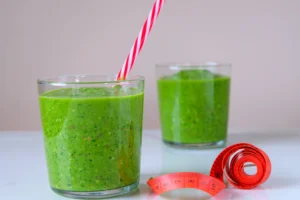
Getting the calorie range right is one of the most overlooked parts of making a green smoothie actually work for weight loss goals.
- As a snack, aim for 150 to 250 calories: This keeps it light enough to support your goals without turning into an accidental extra meal. It’s usually enough to curb hunger without adding significant excess intake.
- As a meal replacement, aim for 300 to 400 calories: Include protein and healthy fats to keep it filling enough to genuinely replace a meal. Without these additions, you’re likely to feel hungry again within an hour or two.
- Watch portion sizes of fruit closely: Even healthy fruits can push calories up quickly if added in large amounts. A full cup of mango or banana alone can add more calories than most people expect.
- Account for add-ins like nut butter or protein powder: These are valuable additions, but they carry meaningful calories that add up fast. A tablespoon or two is usually enough to get the benefit without overloading the drink.
- Track it occasionally, not obsessively: Checking calorie content once in a while helps you calibrate your usual recipe without turning it into a stressful habit. The goal is awareness, not constant measuring.
Once you know roughly where your usual smoothie lands calorie-wise, you can adjust ingredients without needing to measure everything every single day.
Is It Better to Drink a Green Smoothie in the Morning or at Night?
Morning tends to be the more popular choice, and for good reason. Starting the day with vegetables and fiber supports steadier energy levels and often leads to better food choices throughout the rest of the day, simply because it sets a healthier tone early on.
That said, a smoothie in the evening isn’t inherently bad; it really comes down to what else you’re eating that day and how your body responds to eating close to bedtime. For some people, a light, protein-inclusive smoothie makes a satisfying, low-calorie dinner option.
The main thing to avoid is drinking a heavy, fruit-dominant smoothie late at night, since the extra natural sugars and calories are less useful when your activity level is about to drop for the day. Morning or early afternoon tends to align better with how most people’s bodies use that energy.
If you want to explore this from a broader angle, see Is an Anti-Inflammatory Diet Good for Weight Loss?
How Eat Burn Sleep Can Help You With Weight Loss
At Eat Burn Sleep, we see something like a green smoothies for weight loss as exactly what it is: one small, useful habit within a much bigger picture. No single drink, no matter how nutrient-dense, replaces the fundamentals of consistent nutrition, movement, and rest.
This article covers what a green smoothie can genuinely do and where people often go wrong with it, but everyone’s daily routine, appetite patterns, and goals are different. What works well for one person’s morning habit might need real adjustment for someone else’s schedule or preferences.
If you want guidance built around your own goals rather than general advice, our Expert Advice and membership program are designed to go much deeper than any single article can, helping you understand exactly what fits your lifestyle.
Conclusion
So, is a green smoothie for weight loss actually worth it? Yes, when it’s built thoughtfully: leafy greens as the base, fruit in moderation, and a source of protein or fiber to keep you satisfied. It’s not a magic fat-burning drink, but it’s a genuinely useful habit that supports better nutrition and appetite control.
Pay attention to your ratios, keep portions realistic, and treat it as one consistent piece of a broader routine rather than a stand-alone fix. Small, sustainable habits like this are exactly what tend to add up to real results over time.
If you want more personalized support beyond what’s covered here, our Expert Advice and membership program are built for exactly that next step.
FAQs
Q. Can I drink a green smoothie every day for weight loss?
Yes, drinking one daily is generally safe and can support weight loss when it’s built with mostly vegetables, moderate fruit, and a source of protein or fiber.
Q. Does a green smoothie reduce belly fat specifically?
No, green smoothies don’t target belly fat directly. They support overall calorie control and nutrient intake, which contributes to fat loss throughout the body over time.
Q. How long does it take to see results from green smoothies?
Most people notice improved digestion and energy within a week or two, while any weight-related changes typically become noticeable after several weeks of consistent use.
Q. Is a green smoothie better than juice for weight loss?
Yes, generally. Smoothies retain the fiber from whole fruits and vegetables, which supports fullness and blood sugar control, while juice removes fiber and can spike blood sugar more quickly.



Get the EBS app


Frequently Asked Questions

Google Chrome translates the text; therefore, you can choose the language of your preference to read the text. The videos will still be available only in English.
Yes. Chronic inflammation can lead to atherosclerosis (hardening of the arteries) and consequently increases the risk of strokes. Following an anti-inflammatory lifestyle can help soften the arteries and support cardiovascular health.
Do I need to cook while on the EBS Lifestyle?
Not necessarily. You can absolutely eat out by following the Eating Out Guide. This Lifestyle isn’t about perfection — it’s about damage limitation. And if you do want to cook at home, the recipes are simple, approachable, and designed for all skill levels.
Can you eat out while following the EBS Lifestyle?
Yes. There is an Eating Out section on the Eat Burn Sleep platform that will help you choose the best cuisines and the healthiest dishes on the menu when you are eating out.
Is the EBS Lifestyle suitable for me whilst pregnant?
Yes. Many women have used this lifestyle for fertility, during pregnancy, and afterward. Following this lifestyle during pregnancy has many benefits, and there is special personalized advice for Pregnancy & Postpartum. Check it with your doctor first, of course. Stick to your doctor’s supplements advice.