

 Reboot and Revive


Quick Answer: A diet for glowing skin focuses on nutrient-rich, anti-inflammatory foods that nourish your skin from within. Eating plenty of fruits, vegetables, healthy fats, lean proteins, nuts, seeds, and staying well hydrated can support collagen production, reduce inflammation, and promote a healthy, radiant complexion.
It’s party season, everyone! In this post, I want to share how to unlock your skin’s optimum health, so you have radiant, healthy skin throughout the holidays through the right diet for glowing skin, not a single quick fix.
You may want the Eat Burn Sleep “glow,” or you might be dealing with a condition that shows up through skin inflammation, acne, eczema, or psoriasis, or a condition you wouldn’t automatically connect to skin at all, like Crohn’s, colitis, PCOS, endometriosis, obesity, or diabetes.
You don’t need to spend a fortune to have genuinely peak skin health, and put your chronic inflammatory disease into remission along the way. Making changes now gives your skin a far better chance of being party-season ready this holiday, and glowing well beyond it.
The Best Diet for Glowing Skin
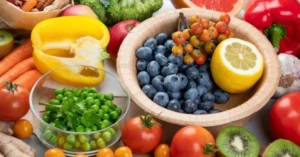
You guessed it: follow an anti-inflammatory lifestyle. There’s a direct, proven relationship between your skin and gut health and your lifestyle. What you eat and how you live either protects your skin (and body) or contributes to damage and early aging.
Eat anti-inflammatory foods daily that carry all the skin-loving nutrients: polyphenols, essential fats, antioxidants, collagen, vitamins, minerals, and fiber.
By eating this way, you’re banishing unhealthy gut bacteria and promoting a genuinely healthy gut microbiome, which is the real route to reducing inflammation throughout your entire body, including your skin.
Chronic conditions can reveal themselves through your skin long before anywhere else. A proper nutritional protocol feeds the skin, protects and repairs it, protects against chronic disease, and helps put chronic illness into remission.
- Promote a healthy gut microbiome: Skin homeostasis is directly linked to your gut. Your microbiota affects your skin health because it’s tied to your immune response, and an altered immune response through the microbiota results in skin disease, as well as chronic conditions more broadly. Overpopulation of certain bacteria in the gut can lead directly to skin inflammation, acne, psoriasis, eczema, and rosacea, for instance.
- Treat your chronic inflammatory and hormonal imbalance conditions: As I mentioned, conditions like Crohn’s, colitis, obesity, diabetes, endometriosis, and PCOS can often show up as skin inflammation. Gut dysbiosis, which accompanies chronic inflammatory conditions, genuinely extends to the skin. When you treat the source, skin inflammation goes into remission as the underlying condition diminishes. An anti-inflammatory lifestyle is a genuinely beautiful treatment for all of these.
Why Gut Dysbiosis Can Lead to Skin Problems

Your gut and skin are closely connected through the gut-skin axis. When the balance of beneficial gut bacteria is disrupted, inflammation can increase throughout the body, affecting your skin’s ability to stay healthy, repair itself, and maintain a clear, radiant appearance.
- Avoid deprivation diets and unhealthy eating: High-fat diets are associated with disease, altered skin lipid composition, oxidative stress, and skin inflammation. Nutrient-depleted diets don’t give your body what it needs for optimal health, resulting in poorer gut health, chronic inflammation, hormone imbalance, and skin breakouts.
- Get enough skin-supporting nutrients: Your skin needs healthy fats, vitamin C, and other essential nutrients to maintain collagen, heal properly, and stay strong. Poor nutrition can weaken both gut and skin health.
- Check food ingredients carefully: Additives, high salt, trans fats, and sugar all promote skin inflammation, like acne, and accelerate aging by breaking down collagen and elastin. Puffiness, swelling, water retention, and wrinkles can all shift depending on what you’re actually eating.
- Cook and choose food carefully: How food is processed and prepared can itself cause inflammation, excess sebum, and skin aging.
Check out these articles: Why Aspartame is Linked to Cancer, Reduce PCOS & Belly Fat, & Why You Have Psoriasis.
What Foods Give You Glowing Skin?

A healthy, radiant complexion starts from within. Choosing nutrient-rich, anti-inflammatory foods can nourish your skin, strengthen its protective barrier, and support the gut-skin connection for long-term skin health.
- Oily fish: Salmon, mackerel, and sardines are rich in omega-3 fatty acids, which help maintain your skin’s natural moisture barrier and reduce inflammation.
- Colorful fruits and vegetables: Berries, leafy greens, carrots, peppers, and tomatoes provide antioxidants and polyphenols that protect skin cells from oxidative stress and premature aging.
- Collagen-supporting foods: Bone broth, lean proteins, and foods rich in collagen-building nutrients help support skin elasticity, firmness, and healthy repair.
- Fermented foods: Kimchi, sauerkraut, kefir, and live yogurt help nourish beneficial gut bacteria, supporting the gut-skin axis and helping reduce skin inflammation.
- Nuts and seeds: Almonds, walnuts, sunflower seeds, and flaxseeds provide healthy fats and vitamin E, helping protect the skin and maintain a healthy skin barrier.
- Vitamin C-rich foods: Citrus fruits, kiwi, strawberries, broccoli, and leafy greens support collagen production, promote wound healing, and help keep skin looking firm and healthy.
No single food can transform your skin overnight. The real secret to glowing skin is consistently following a balanced, nutrient-rich, anti-inflammatory diet that supports both your gut health and your skin from the inside out.
What to Drink for Glowing Skin

Stay hydrated. Water is an essential nutrient; it’s the main component of your cells, tissues, and body fluid, making up roughly 75% of your body at birth and around 60% in adulthood. Staying hydrated supports your liver, and that genuinely shows up in your skin.
Water deficiency is linked to several dermatological issues, including inflammation, premature aging, and tissue dehydration.
Don’t drink too much alcohol. Alcohol dehydrates you and can alter your skin’s permeability, affect its lipid composition, and break down its barrier function, among other things. Alcohol overtaxes your liver and can dry out your skin, meaning wrinkles show up faster. Its diuretic effect also depletes vitamins like vitamin A, which your skin genuinely needs. Over time, regular drinking can cause a red face too, from the permanent enlargement of blood vessels and thread veins.
You may be interested in: Best Alcohol For Diabetes Sufferers, How to Avoid a Hangover & How to Deal With a Hangover. For coffee concerns: Fancy a Cup of Coffee?
Skincare Routine for Glowing Skin

Have a genuinely good skincare routine. Shower and bathe regularly to clear the bacteria that clog pores. Take saunas if you can. Cleanse, tone, moisturize, and treat dry skin properly. Here’s a skincare routine I often follow myself: My Wake Up Makeup Guide.
Use products free from ingredients you might be sensitive to; plenty of emollients and fragrances can cause inflammation in some people.
Protect against external factors too. Use sunscreen, even on a cloudy day (check out Yalda Loves for the products I personally use). Members can access my Skincare guide here.
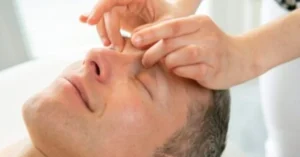
Massage your skin to promote lymphatic drainage, reduce puffiness, and encourage circulation. Get facials if you can. Facial massage releases contracted muscles and fascia, reduces stress, and encourages blood flow. It also stimulates oxytocin production, which I’ll get to below.
What Shouldn’t You Do to Have Glowing Skin?
Healthy, glowing skin isn’t just about what you add to your routine; it’s also about avoiding habits that increase inflammation, damage your skin barrier, and speed up premature aging. Here are some of the most important habits to avoid:
- Smoke: It’s well established that smoking causes skin damage, premature aging, and a higher incidence of acne, skin cancers, psoriasis, and eczema. It changes skin cuticle thickness and accelerates cell death and pigmentation.
- Drink a lot of alcohol: Alcohol dehydrates you and can alter your skin’s permeability, affect its lipid composition, and break down its barrier function, among other things. Alcohol overtaxes your liver and can dry out your skin, meaning wrinkles show up faster. Its diuretic effect also depletes vitamins like vitamin A, which your skin genuinely needs. Over time, regular drinking can cause a red face too, from the permanent enlargement of blood vessels and thread veins.
- Eat a nutrient-poor diet: low-calorie, high-fat, carbonated sodas, processed foods, extreme dieting, and so on. A healthy gut microbiome remains essential to skin health throughout.
- Deprive yourself of sleep: Sleep is essential for great skin. Studies show sleep deprivation affects collagen production, leading to wrinkles, reduced elasticity, sagging, and diminished barrier function. Sleep supports growth and renewal; 75% of Human Growth Hormone (HGH) is produced during good sleep, accelerating skin repair and keeping you looking younger.
- Rely on “skin” supplements alone: You can’t have genuinely poor nutrition and expect a supplement to hand you good skin health regardless. You may be interested in: Why I Use Collagen.
How Exercise Benefits Your Skin
Regular exercise supports healthy, glowing skin by improving circulation, reducing inflammation, and helping your body deliver the nutrients your skin needs to repair and renew itself.
- Choose anti-inflammatory exercise: Low-impact activities that reduce inflammation can support overall skin health while helping lower chronic inflammatory processes in the body.
- Walk regularly: Walking increases blood flow, delivering more oxygen and nutrients to your skin cells. It also helps lower cortisol levels, reducing stress that can negatively affect your skin.
- Improve circulation: Better circulation helps transport essential nutrients to the skin while removing cellular waste products, supporting a healthier, brighter complexion.
- Stretch your fascia: Regular fascia stretching helps release built-up tension throughout the body, including the face, which may support healthier-looking skin and reduce the appearance of tension-related lines over time.
- Avoid overtraining: While regular movement benefits your skin, intense exercise may trigger skin flare-ups in some people. Aim for regular, moderate exercise that supports both your body and your skin.
When combined with a nutrient-rich, anti-inflammatory diet, regular exercise can help improve skin health from the inside out, leaving your complexion looking healthier, stronger, and more radiant.
More Tips for How to Get Glowing Skin Naturally
- Detox your liver: An overloaded liver shows up in your skin. Members have access the Liver Detox Expert Advice.
- Balance your hormones: Hormones play a considerable role in how your skin looks and feels. Estrogen stimulates collagen, elastin, and hyaluronic acid production, helping skin stay plump, while elevated androgens can contribute to oiliness and acne. Adopting an anti-inflammatory lifestyle genuinely helps balance hormones over time.
- Keep stress levels down: Stress always shows on the skin. Cortisol, released during stress, drives inflammation and increased oil production in your skin glands, leading to breakouts like acne and eczema. It increases DNA damage, disrupts skin cell cycles, and promotes early aging.
- Get plenty of fresh air, where you can: Air pollution contributes to oxidative damage, inflammation, and skin cancer risk.
- Socialize, snuggle with a pet, and laugh often: When you socialize or snuggle with someone you love, oxytocin is released, that genuine “feel good” hormone. Think of the glow people get when they’re in love.
Oxytocin promotes skin healing and gives you a genuinely radiant complexion. It goes further too, protecting against intrinsic skin aging the aging that happens from internal factors like hormones, endocrine metabolism, and genetics.
If you’re an EBS member, the bonus is that oxytocin production naturally increases alongside a balanced gut through an anti-inflammatory lifestyle.
Of course, when your health is genuinely good, it shows on your face. Follow a diet for glowing skin and an anti-inflammatory lifestyle with all the advice, guidance, tips, hacks, and recipes, and you’ll soon have everything you need for beautiful skin that reflects exactly how you feel inside.
It’s a beautiful cycle: replenish, rejuvenate, and reward.
Join, or gift, the skin-loving Eat Burn Sleep lifestyle, and let it glow.
Of course, I wish you a fun-filled party time, and hope you have a super day today!
FAQs
Q1. What is the best diet for glowing skin?
The best diet for glowing skin includes antioxidant-rich fruits and vegetables, healthy fats, lean proteins, whole grains, nuts, seeds, and plenty of water. These foods help protect skin cells, support collagen production, and promote healthy skin.
Q2. Which foods help make your skin glow naturally?
Foods such as berries, leafy greens, tomatoes, avocados, oily fish, nuts, seeds, citrus fruits, and colorful vegetables provide vitamins, antioxidants, and healthy fats that support glowing, healthy skin.
Q3. Can diet improve skin health?
Yes. A balanced, anti-inflammatory diet can help reduce inflammation, support hydration, improve skin repair, and provide essential nutrients that contribute to clearer, healthier, and more radiant skin over time.




Get the EBS app


Frequently Asked Questions

Google Chrome translates the text; therefore, you can choose the language of your preference to read the text. The videos will still be available only in English.
Yes. Chronic inflammation can lead to atherosclerosis (hardening of the arteries) and consequently increases the risk of strokes. Following an anti-inflammatory lifestyle can help soften the arteries and support cardiovascular health.
Do I need to cook while on the EBS Lifestyle?
Not necessarily. You can absolutely eat out by following the Eating Out Guide. This Lifestyle isn’t about perfection — it’s about damage limitation. And if you do want to cook at home, the recipes are simple, approachable, and designed for all skill levels.
Can you eat out while following the EBS Lifestyle?
Yes. There is an Eating Out section on the Eat Burn Sleep platform that will help you choose the best cuisines and the healthiest dishes on the menu when you are eating out.
Is the EBS Lifestyle suitable for me whilst pregnant?
Yes. Many women have used this lifestyle for fertility, during pregnancy, and afterward. Following this lifestyle during pregnancy has many benefits, and there is special personalized advice for Pregnancy & Postpartum. Check it with your doctor first, of course. Stick to your doctor’s supplements advice.
