 Reboot and Revive


Heightening the Risk of Inflammatory Bowel Disease
Hello Everyone! A Danish study wanted to determine if dosing and timing of antibiotics were important factors in the development of IBD.
More than 6.1 million individuals were included in the study derived from medical data ranging over 18 years, and the results showed that another critical factor increased the risk.
This article delves into why the side effects of antibiotics are linked to Crohn’s and ulcerative colitis, how age is associated with the likeliness of diagnosis, and how you can treat your IBD in the most effective, safest way.
If you are new to Eat Burn Sleep, many factors play pivotal roles in inflammatory bowel disease development. There are many ways to put it into remission, which are all included on this platform.
Side Effects of Antibiotics at Any Age
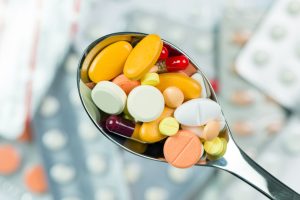
In the study (Faye et al. 2023) determining whether antibiotics were factors in the development of IBD, individuals had to satisfy specific criteria, and they ranged from 10 years old upwards, with no previous diagnosis of IBD—the years from January 2000 until December 2018 were studied.
The study found that frequent use of antibiotics prescribed for gastrointestinal infections was associated with a 50% higher risk of developing inflammatory bowel disease in adults over the age of 40.
However, it also revealed that antibiotic use at any age, including 10 years old and upwards, increased the risk of developing Crohn’s disease and ulcerative colitis.
Each added course of antibiotics over the years from January 2000 until December 2018 created additional risk – the highest risk is seen after 1-2 years following antibiotic courses.

Can You Get IBD at Any Age?
Yes, inflammatory bowel disease can develop at any age, and antibiotic exposure has been associated with a higher risk of diagnosis. The study showed the percentage of individuals who would be more likely to be diagnosed with IBD was:
- 28% for 10 – 40 years old
- 48% for 40 – 60 years old
- 47% for those over 60.
Why Do You Have Crohn’s Disease?
Please explore this platform to delve into the cause of Crohn’s disease and, indeed, become a member to put your Crohn’s disease into remission. Antibiotics may be one of several contributing environmental factors.
The study mentioned above revealed that the risk of developing Crohn’s disease after a course of antibiotics was:
- 40% for individuals aged 10 – 40 years old
- 62% for 40 – 60 year olds
- 51% for those over their 60s.
Each course of antibiotics added an additional 11%, 15%, and 14%, respectively.
The figures were slightly lower for the risk of developing ulcerative colitis but still as significant.
The outcome showed that anyone at any age who has had five lots of antibiotic courses or more was twice as likely to develop an inflammatory bowel disease than someone who has not been on antibiotics.
Can antibiotics cause Crohn’s disease?
Current research suggests antibiotics may increase the risk in susceptible people by disrupting the gut microbiome, but they are unlikely to be the sole cause.
Can antibiotics cause ulcerative colitis?
Studies have found an association between repeated antibiotic use and an increased likelihood of developing ulcerative colitis, particularly in older adults.
What Are the Side Effects of Antibiotics?
Antibiotics change the microbial environment in the gastrointestinal tract, decreasing diversity and increasing susceptibility to disease development.
Our gut microbiota, which we carry around 4-5lbs of in our gut, changes continuously. It is home to an array of microorganisms that consist of bacteria, fungi, protozoa, and viruses. They are paramount to our health.

Our microbiota is made up of our genes, food, drink, and what we are exposed to.
Everything we eat and drink will feed the good or harmful bacteria or wipe out all the good.
This includes everything around us. The air we breathe, how we live and eat, and even our thoughts. Stress can influence the gut microbiota through the gut-brain axis.
Many aspects of our lifestyle influence our gut microbiota.
Everything our gut microbiota does affects us.
This includes aging.
Age impacts our microbiota.
It was found that aging adults have decreased Bifidobacterium in their gut, also seen in IBD patients.
Age-related changes like lifestyle factors can be made worse by antibiotic use, which depletes microbiota diversity, increases candida and thrush, and can have long-term effects.
Recovery of the gut microbiome can occur within weeks for some people but may take many months in others, particularly after repeated antibiotic use or in older adults.
Can Too Many Antibiotics Make You Sick?
Gut microbiota is affected by antibiotics, medication, drugs, sickness, and stress.
So, the antibiotics cause gut dysbiosis, which is linked to chronic inflammation and IBD: Crohn’s, Colitis, and Diverticulitis, as well as other chronic inflammatory diseases.
So, you can imagine that repeat prescriptions over a period of time limit microbiota recovery.

Children are still at risk of developing IBD after antibiotics, but much less. The slow and limited recovery that comes from aging, combined with repeated dysbiosis (unbalanced gut microbiota diversity) from the antibiotics, puts a person over 40 in a perpetual state of susceptibility to disease.
Antibiotic use is considered one potential environmental trigger that may contribute to the development of Crohn’s disease and ulcerative colitis in susceptible individuals.
Which Antibiotics Trigger IBD?
All antibiotics and medications cause microbiota diversity and metabolic changes. The overgrowth of pathogens occurs, and antibiotic-resistant bacteria multiply, for instance.
Antibiotics can wipe out all the good bacteria, leading to inflammatory diseases and immune dysregulation. 70% of immune cells reside in your gut, you see.
So, by using antibiotics to fight an infection, you are actually making your body more susceptible to disease and viruses.
Although antibiotics are essential for treating bacterial infections, they can temporarily disrupt the gut microbiome while eliminating disease-causing bacteria.
This also highlights how medication can cause chronic inflammation and reduced immunity through gut dysbiosis and how repeated antibiotic exposure may contribute to antibiotic resistance and repeated disruption of the gut microbiome.

Gut microbiota is imperative to human health and can be disrupted by many lifestyle factors, antibiotics, and medication.
It is constantly changing.
It can be changed positively to an optimal state as our environments allow.
Have you read NSAIDs, Gut Health & Inflammation, Painkillers Not Helping Your Headaches?, Why Aspartame Is Linked to Cancer, & Can Food Poisoning Cause Inflammation?
How Do You Reset Gut Health?
Resetting your system starts here. Our Six-Week Reset enables you to recover from antibiotic use and dysbiosis, regardless of age.
The Six-Week Reset is designed to support gut health, reduce dietary drivers of inflammation, and encourage the restoration of a healthier gut microbiome. By helping to lower inflammation and improve overall metabolic health, many people experience increased energy, enhanced mental well-being, improved digestive health, and sustainable weight loss, while feeling healthier both inside and out.
I would suggest that in addition to week 1 advice, follow the advice that I share for Candida Overgrowth for more recommendations to reduce bacterial overgrowth.

It’s a powerful protocol for resetting your health and taking control of your IBD, reducing Crohn’s and colitis triggers.
It takes 21 days to revive your mind and body and 42 to feel absolutely incredible!
Then, you maintain your lifestyle with 450+ microbiota-loving recipes, keeping you in tip-top health, having what you like now and again, which will keep you happy.
The platform has amazing craving hacks, but remember, it is not about perfection. Follow the EBS method 80% of the time. Have those foods and drinks that you love, too.
Nothing is cut out 100% (keeping the bacteria), which keeps many people feeling unrestricted.
Aiming for an 80/20 mindset most of the time allows you to dip to 70/30 and sometimes 60/40. You just jump back when you can. It is all about damage limitation, and it works!

The wonderful thing is that you feel it, and as you get to know your body more through the marked changes that Eat Burn Sleep promotes, you are more likely to be on this IBD and chronic disease-reducing lifestyle effortlessly.
Incremental changes over a year make a massive difference.
Plus, your gut microbiota won’t want those trigger foods one day.
It’s hard to believe right now, but it’s true! It’s amazing. Don’t just take my word for it; check out the testimonials.
Remember to go easy on yourself, and have a wonderful day.



Get the EBS app


Frequently Asked Questions

Google Chrome translates the text; therefore, you can choose the language of your preference to read the text. The videos will still be available only in English.
Yes. Chronic inflammation can lead to atherosclerosis (hardening of the arteries) and consequently increases the risk of strokes. Following an anti-inflammatory lifestyle can help soften the arteries and support cardiovascular health.
Do I need to cook while on the EBS Lifestyle?
Not necessarily. You can absolutely eat out by following the Eating Out Guide. This Lifestyle isn’t about perfection — it’s about damage limitation. And if you do want to cook at home, the recipes are simple, approachable, and designed for all skill levels.
Can you eat out while following the EBS Lifestyle?
Yes. There is an Eating Out section on the Eat Burn Sleep platform that will help you choose the best cuisines and the healthiest dishes on the menu when you are eating out.
Is the EBS Lifestyle suitable for me whilst pregnant?
Yes. Many women have used this lifestyle for fertility, during pregnancy, and afterward. Following this lifestyle during pregnancy has many benefits, and there is special personalized advice for Pregnancy & Postpartum. Check it with your doctor first, of course. Stick to your doctor’s supplements advice.