

 Reboot and Revive


Quick Answer: An anti cancer diet recovery plan focuses on nutrient-rich, anti-inflammatory foods that help support your body during and after cancer treatment. Eating plenty of vegetables, fruits, lean proteins, healthy fats, and fiber may aid recovery, strengthen immunity, and improve overall well-being alongside your medical care.
Hi everyone!
This post is about an anti cancer diet recovery and lifestyle approach that may genuinely aid both the recovery and prevention of cancer. According to the World Health Organisation (WHO), 30-50% of all cancer cases are preventable.
WHO has stated that dietary and lifestyle factors, physical inactivity, and being overweight all significantly contribute to cancer risk.
Even people carrying “cancer genes” may never develop cancer without the dietary and lifestyle insults that turn healthy cells into abnormal ones, thriving in an inflamed microenvironment.
You can help yourself and your family stay better protected against cancer by living in an anti-inflammatory, gut-healthy way. Read on to understand why anti-inflammatory diets for cancer prevention may genuinely reduce the environment that tumor cells need to survive and grow.
What Diet Helps Prevent Cancer?

An anti-inflammatory diet and lifestyle doesn’t just encourage weight loss (obesity being one of the leading causes of cancer); it may also help prevent and reduce the chances of tumor growth, since tumor cells survive best where chronic inflammation exists.
Targeted at gut health, an anti-inflammatory diet cancer approach promotes good bacterial diversity, regulates inflammation, and provides genuine anti-tumoral effects through your gut bacteria.
For example, certain bacteria can stimulate cancer formation by blocking the immune cells that normally inhibit tumor growth.
Unhealthy food, chemicals, additives, lack of exercise and sleep, being overweight, stress, toxins, alcohol, smoking, and pollutants are all factors that raise pro-inflammatory cytokines, inflammatory enzymes, adhesion molecules, chemokines, and more.
Living an anti-inflammatory lifestyle genuinely gives you more protection, and the sooner you start, the better. This is exactly why we need to educate our younger loved ones on it too.
Read: Why Aspartame Is Linked to Cancer.
How Is Inflammation Linked to Cancer?

Chronic inflammation can contribute to the development and progression of cancer by creating an environment that allows abnormal cells to survive and grow. Here’s how inflammation may play a role:
- Promotes tumor growth: Long-term inflammation creates conditions that help tumor cells survive, multiply, and spread throughout the body.
- Damages healthy cells: Chronic inflammation can cause DNA damage and increase the risk of genetic mutations that may lead to cancer development.
- Supports a harmful inflammatory environment: An ongoing inflammatory microenvironment encourages abnormal cell growth and reduces the body’s ability to remove damaged cells.
- Gut health plays a role: An imbalance in the gut microbiome and certain microbial pathogens have been linked to inflammation that may contribute to the development of some cancers.
- Often develops silently: Chronic inflammation can exist for years without noticeable symptoms, making it important to adopt healthy lifestyle habits that help reduce inflammation before it contributes to long-term disease.
Inflammation can exist in the body without symptoms for a long time. You may be interested in reading Signs of Inflammation That May Surprise You and How to Silence Hidden Inflammation.
Are Genetic Cancers Common?

According to Cancer Research UK, having relatives with cancer doesn’t automatically mean you carry a “cancer gene.” Cancers from inherited genes are far less common than most people assume, around 5-10%. Most cancers develop because of environment, diet, lifestyle, and chance, rather than specific genetic inheritance.
Inherited genes tend to follow a pattern: the more relatives with the same or similar cancer, and the younger they were at diagnosis, the stronger the likelihood of a genuine family history at play.
Inherited genes mean a higher risk of developing disease, but further gene changes still need to happen for cancer to actually develop. I always advise making your body genuinely less inflammatory, even without obvious symptoms or a family history of non-communicable disease. 78% of deaths are linked to chronic inflammation.
What Foods Help Fight Cancer?
This is one of the questions I get asked constantly, so let me give you a genuinely practical answer rather than just a philosophy. Foods that fight cancer tend to share a few things in common: they’re anti-inflammatory, they support gut bacterial diversity, and they’re rich in antioxidants and phytonutrients that help protect your cells from the DNA damage that drives tumor formation.
In practice, that means leaning into colorful vegetables, oily fish, fermented foods that feed good gut bacteria, and healthy fats, while minimizing ultra-processed foods, excess sugar, and alcohol. No single food prevents or cures cancer on its own; it’s the cumulative, daily pattern of an anti-cancer diet that shifts your internal environment away from one that tumor cells thrive in.
How Can You Reduce Cancer With a Diet?
According to The Lancet, more than 19 million new cancer cases were diagnosed worldwide in 2020. By 2040, that burden is expected to rise to around 30 million new cases annually.
Cancer is caused by many factors, including diet, lifestyle, immune response, hormones, stress, genetics, and environment. Given WHO’s own statement that 30-50% of cancer cases are preventable, you can genuinely bolster your defenses by focusing on diet, lifestyle, and stress specifically. It’s hard to escape chemicals and toxins entirely, since they’re genuinely everywhere, but tobacco, alcohol, and obesity remain the leading, most controllable causes.
What you feed yourself has a real, measurable impact on your disease risk. Focusing on gut health and cancer together, to reduce inflammation and boost immunity, is a genuinely great place to start if you don’t smoke and drink in moderation.
Obesity is itself a chronic inflammatory condition, treated through this same anti-inflammatory lifestyle, which also offers better protection from cancer as a result. If tumor cells need an inflammatory environment to grow, reducing inflammation simply gives them less chance of survival.
A genuinely powerful anti-inflammatory technique involves the bacteria in your gut. Your gut bacteria have a unique ability to reduce inflammation, strengthen immunity, and reduce metabolic, infectious, and chronic disease risk. They can even influence genetic expression (epigenetics) if certain cancers run in your family.
Gut bacteria also support regular, quality sleep by producing serotonin and dopamine neurotransmitters that support optimum health and your mental wellbeing too.
It’s genuinely astonishing what balancing your gut bacteria can do for you, mentally and physically. The power of those microbes shouldn’t be underestimated.
Eating a wide variety of the right nutrients daily, working synergistically together in a proper cancer prevention diet, helps prevent cellular stress, boosts immunity, and reduces fat cell composition, all while inhibiting inflammation and optimizing overall health.
If you eat anti-inflammatory foods predominantly, you can genuinely get away with pro-inflammatory foods occasionally. A more detailed anti-cancer diet and recovery protocol lives in the Expert Advice section you can access here.
In case you missed these posts: What Foods Help With Cancer Prevention and Recovery?, How Can You Prevent and Treat Cervical Cancer?
Can Diet Alone Prevent Cancer?
I want to be honest with you here, rather than oversell this: no, diet alone can’t guarantee you’ll never develop cancer. Genetics, environment, chance, and factors outside your control all play a real role too. What an anti-cancer diet and lifestyle does is shift the odds meaningfully in your favor by removing the inflammatory environment tumor cells depend on to survive and spread.
This isn’t about replacing medical screening, treatment, or your doctor’s advice; it’s about doing everything within your control alongside that care, rather than assuming diet is either irrelevant or a magic cure. Both extremes are wrong, and I’d rather be straight with you about that than sell you false certainty either way.
How Can Lifestyle Change Gut Health?

Of course, the bacteria in your gut can’t change your lifestyle for you, but your lifestyle absolutely changes your gut bacteria. Those bugs in your tummy do have real power to signal your brain about what it needs to survive; feed them good food or junk food, and they’ll grow and want more of exactly that. The good news is you can turn that around fairly quickly.
Your gut bacteria shift under any kind of stressor, becoming less diverse, which raises inflammation and dysregulates your immune system. Exposure to smoke, pollution, or heavy chemical loads changes your bacteria too, reducing immunity and keeping inflammation elevated.
Diet, lifestyle, and immune function are all major factors that shape your microbiota’s composition and activity.
You may enjoy the post The Benefits of Sun Exposure, which covers how to sunbathe safely to avoid skin cancer. Did you know too little sunshine can actually be detrimental to other cancers?
How Infections Affect Anti Cancer Diet Recovery
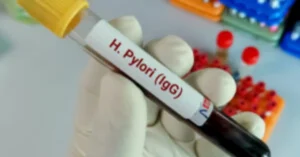
Cancers are linked to infections like hepatitis, H. pylori, and HPV. During infection and bacterial overgrowth, pathogens can expand and release toxins when the gut is affected by dysbiosis, or imbalance.
Those toxins cause DNA breakdown, which can contribute to DNA mutations, tumor initiation, and cancer progression. Your immunity genuinely improves with less inflammation in the body, since chronic inflammation is itself a dysregulation of the immune system.
You may want to read How to Recover From Virus Infections. Members: reduce bacterial overgrowth by following the advice for candida and H. pylori here.
Weight Loss Will Protect Against Cancer
Cancer Research UK states that obesity causes 13 different types of cancer, and an overall healthy diet that reduces weight can genuinely reduce cancer risk.
Members can kickstart weight loss on the Six-Week Reset. Larger amounts of weight often come off initially, then reduce steadily and continuously as optimal health returns. The beautiful part is that it’s safe, nutritious, and heals the underlying chronic inflammatory condition and its symptoms at the same time with no health risks, and nothing temporary about it. Not many weight loss approaches can genuinely say the same.
Read: Low-calorie Foods for Weight Loss & How Can You Lose a Lot of Weight Fast?
How Stress Affects Cancer Recovery

Chronic stress over time can cause gastrointestinal disorders, which lead to gut dysbiosis, which leads to inflammation and immune dysregulation.
It can drive anxiety and depression, and it raises the risk of developing disease, including cancer. Excessive stress hormones also stop immune cells from effectively controlling cancer cells by increasing inflammation and suppressing immunity at the same time.
Not everything that causes stress is controllable, I know, but there are genuinely many ways to reduce stress that help you cope with the uncontrollable parts too. Stress tends to worsen when you’re not eating or drinking well, sleeping little, and skipping exercise. Have you heard my conversation with Dr. Tamsin Lewis on the links between mental health and physical health?
Expert Advice for Cancer Prevention and Recovery
New members: check the Keep Going Guide on how to navigate this way of living, which genuinely aids stress reduction significantly. Also check the personalized advice on depression and anxiety.
Please check the Expert Advice section for everything else on Cancer Prevention and Recovery.
Or, if you’d like a confidential 15-minute Zoom consultation with me, please book it here.
Non-members, here are a couple of taster recipes: Egg Muffins: Sweet Potatoes, Carrots & Chives & Asian Chicken Soup With Konjac Noodles.
You may also want to visit the podcasts section; a whole range of subjects are covered with my wonderful guests, including cancer survival, stress reduction, food additives and your microbiome, mental health, mindset tips, and the immune system.
While the evidence keeps accumulating around cancer protection and reduction through an anti cancer diet recovery, following the Eat Burn Sleep way of eating, moving, thinking, reducing stress, and sleeping will likely help check the reviews for yourself.
After all, there’s a genuinely strong correlation between not paying attention to what we eat and how we live, and both chronic inflammation and cancer risk, especially given that cancer cells love an inflammatory microenvironment.
Please look after yourself. As always, I wish you well.
FAQs
Q1. What is an anti cancer diet recovery plan?
An anti cancer diet recovery plan emphasizes whole, nutrient-dense foods that support healing, reduce inflammation, and provide the vitamins and minerals your body needs during recovery. It should complement, not replace, medical treatment.
Q2. Which foods are best for an anti-cancer diet recovery?
Focus on colorful vegetables, fruits, whole grains, legumes, lean proteins, nuts, seeds, and healthy fats. These foods provide antioxidants, fiber, and essential nutrients that support recovery and overall health.
Q3. Can diet help during cancer recovery?
Yes. A balanced, anti-inflammatory diet can help maintain strength, support immune function, improve energy levels, and promote healing during recovery. Always follow the advice of your healthcare team regarding your nutritional needs.




Get the EBS app


Frequently Asked Questions

Google Chrome translates the text; therefore, you can choose the language of your preference to read the text. The videos will still be available only in English.
Yes. Chronic inflammation can lead to atherosclerosis (hardening of the arteries) and consequently increases the risk of strokes. Following an anti-inflammatory lifestyle can help soften the arteries and support cardiovascular health.
Do I need to cook while on the EBS Lifestyle?
Not necessarily. You can absolutely eat out by following the Eating Out Guide. This Lifestyle isn’t about perfection — it’s about damage limitation. And if you do want to cook at home, the recipes are simple, approachable, and designed for all skill levels.
Can you eat out while following the EBS Lifestyle?
Yes. There is an Eating Out section on the Eat Burn Sleep platform that will help you choose the best cuisines and the healthiest dishes on the menu when you are eating out.
Is the EBS Lifestyle suitable for me whilst pregnant?
Yes. Many women have used this lifestyle for fertility, during pregnancy, and afterward. Following this lifestyle during pregnancy has many benefits, and there is special personalized advice for Pregnancy & Postpartum. Check it with your doctor first, of course. Stick to your doctor’s supplements advice.
