 Reboot and Revive


Quick Answer: Sun exposure boosts vitamin D production (90% of your vitamin D comes from sunlight, not food), which supports strong bones, a healthy immune system, and lower inflammation. It also triggers serotonin and melatonin release, which improves mood, appetite regulation, and sleep quality. The key is moderate, protected exposure enough to get the benefits without raising your skin cancer risk.
Hello everyone!
There’s still so much debate about whether the sun is good for you or bad for you, so I decided to write a proper post on it, covering the real benefits of sun exposure and where the risks actually come in.
I’ve noticed that everyone seems to recommend something different, depending on which studies they’re most aligned with. And let’s remember the focus of so many campaigns warning us off the sunshine altogether.
We’ve gone from a culture of roasting in the sun to almost completely avoiding it, and both extremes end up costing us either through skin cancer risk on one end, or vitamin D deficiency on the other.
Here’s my take on it in a nutshell: sun exposure is genuinely good for you. In moderation. With protection. Let me explain why.
What About Melanin and Sun Exposure?

You also have to factor in melanin, your skin pigment; the darker your skin, the more vitamin D deficiency risk you carry.
For instance, half an hour in the sun in a swimsuit yields around 1.25mg of vitamin D in blood circulation if you have light skin. Tanned skin yields about half of that, and dark skin yields half again, around 0.30mg. This reveals that darker skin genuinely needs around six times more sun exposure than pale skin for the same vitamin D synthesis.
The general recommendation is 10-15 minutes daily for lighter skin, up to 120 minutes for darker skin tones (depending on your specific pigmentation), for good vitamin D production.
This also explains why winters, and countries with restricted light and heavier clothing, see higher rates of SAD (seasonal affective disorder). So many conditions are associated with a lack of vitamin D and less-than-optimal mental and physical health for all of us.
Of course, this doesn’t apply to sun-sensitive individuals or anyone on medication that causes photosensitivity; they’ll need to lean on diet and supplements instead. Vitamin D is also what allows calcium absorption from your gastrointestinal tract.
Does Sun Exposure Help With Anemia or Iron Deficiency?

This is one of the questions I get asked constantly, so let me answer it directly: no, the sun does not give you iron, and sunlight itself contains no iron for your body to absorb.
If you’re wondering whether the sun gives you iron, whether you get iron from the sun in any form, or whether you get iron from sunlight through some other mechanism, the honest answer is no; iron only comes from food or supplements.
That said, anemia and sun exposure are genuinely connected, just not in the way people assume. The link runs through vitamin D, not iron itself. So does sun help with iron deficiency, or does the sun help with iron deficiency in any direct sense? No, but vitamin D plays a real role in regulating hepcidin, the hormone that controls how your body absorbs and uses iron.
When you’re low in vitamin D, hepcidin regulation can go off track, which can worsen functional iron deficiency even if your dietary iron intake looks fine on paper. This is also why sunlight and iron deficiency, and low iron and sun exposure, tend to show up together in research and in blood work.
So does sunlight affect iron levels, or does sunlight help iron deficiency in any meaningful way? Indirectly, yes, because vitamin D deficiency and iron deficiency anemia share overlapping risk factors and can genuinely make each other worse.
If you’re dealing with anemia, it’s worth having your vitamin D checked alongside your iron and ferritin levels, since correcting a vitamin D deficiency can support healthier iron metabolism, even though it will never replace iron-rich food or supplementation.
If you want to go deeper on the iron side specifically, read: Help With Anemia, B12 and Iron Deficiencies.
Are Vitamin D Supplements Enough?
In my opinion, supplements are never truly enough on their own. There’s no real comparison between supplements and whole foods, though supplements are necessary for some people.
Your body gets excellent vitamin D from food sources like mackerel, sardines, tuna, salmon, red meat, egg yolks, and mushrooms throughout the year. Food is medicine.
A quick note: an anti-inflammatory, gut-healthy lifestyle supports your liver, immunity, cells, and blood- genuinely everything.
The bioavailability of nutrients from real food is always better than from supplements, because it’s genuinely hard to meaningfully raise serum levels through supplementation alone. It doesn’t even have to be organic; food is simply always the better route to the nutrients you actually need.
Do Vegetarians Lack Vitamin D?

Vegetarians may carry a slightly higher risk of vitamin D deficiency, since most food sources of vitamin D are animal-based. But that’s honestly not the biggest concern with vegetarianism or veganism in my view; it’s B12 that vegetarians and vegans really need to watch and often supplement.
If a vegetarian eats plenty of eggs, they may well be getting enough B12, but plants don’t contain bioactive forms of B12 at all, so anyone fully vegan does need to supplement it.
Read: Help With Anemia, B12 and Iron Deficiencies, and What’s The Best Diet for Everyone?
I’m honestly not a huge fan of veganism as an approach, because in my view, supplements shouldn’t be a requirement in the first place; we should be getting everything we need from a genuinely balanced diet.
There are plenty of vegan and vegetarian recipes on the Eat Burn Sleep program, but to achieve real optimum health, there’s an expert advice section on reintroducing animal protein back into your diet if that’s the right path for you.
Watch the videos on why I don’t think veganism is the best move for optimum health, and my findings on supplements before you buy any.
Is Everyone Dairy Intolerant?

Vitamin D is also present in dairy (though I don’t recommend dairy for several other reasons), and it’s genuinely hard to digest for most people.
Interestingly, people from Northern Europe are more likely to carry the gene that produces lactase, which lets them digest lactose in milk. That means they can actually extract vitamin D from dairy more easily. I can’t, personally; I’m from Morocco.
What Happens to Our Bodies Without Vitamin D?

Unfortunately, plenty of COVID-19 fatalities were linked to vitamin D deficiency. The virus disproportionately affected people with less sun exposure, because vitamin D is a genuine immune regulator. Having strong vitamin D levels matters for fighting off viruses and keeping autoimmune issues in check.
Vitamin D is also essential for maintaining serum calcium and phosphorus levels, which support your metabolic function, bone mineralization, and neuromuscular transmission. Keeping a good serum level genuinely helps reduce a wide range of physical and mental conditions.
Without enough vitamin D, bones don’t form properly, causing rickets in children and osteoporosis in adults, which can progress to a painful condition called osteomalacia. Breastfed infants of vitamin D-deficient mothers are also at real risk.
Without enough vitamin D, you’re more prone to:
- A weakened immune system: When your immune system is weakened, your body has a harder time fighting off infections and recovering from illness.
- Low mood and depression: Ongoing inflammation may affect brain function and contribute to symptoms of low mood, anxiety, or depression.
- Premenstrual tension: Inflammation can worsen hormonal fluctuations, making PMS symptoms more noticeable.
- Hormonal disorders: Chronic inflammation may disrupt hormone production and interfere with normal hormonal balance.
- Sleep disorders: Inflammatory processes can make it harder to fall asleep, stay asleep, and achieve restful sleep.
- Metabolic conditions: Long-term inflammation is linked to an increased risk of metabolic disorders, including insulin resistance and type 2 diabetes.
- Increased susceptibility to pain: Persistent inflammation can make the nervous system more sensitive, increasing your risk of ongoing aches and pain.
Should I Avoid the Sun on Statins?
If anything, you need more vitamin D supplementation and sun exposure if you’re on statins, not less. Statins lower cholesterol, and you actually need cholesterol as a building block for vitamin D production. Follow the safe sunbathing advice below to make sure you’re still getting maximum vitamin D. You might also want to watch the video on cholesterol in the Videos section.
Can Sun Exposure Increase Your Risk of Cancer?

Concerns about sun exposure and skin cancer first surfaced in the late nineteenth century. People were cautioned to avoid the midday sun entirely and limit direct exposure to under ten minutes a day.
Three types of skin cancer became widely recognized, and the overriding message became simple: too much sun causes skin cancer.
But did you know too little sunshine can be detrimental to other cancers? Studies show researchers are genuinely concerned that the heavy emphasis on avoiding skin cancer obscures the bigger picture: other diseases that sun exposure can actually help protect against. Too little vitamin D in the body is linked to many significant illnesses.
So, getting moderate sun exposure is far more likely to help you than harm you overall.
Members can read expert advice for cancer prevention and recovery support here. Also, listen to my special guest, Karin Greenberg, on the Eat Burn Sleep podcast on Surviving Breast Cancer; her approach to coping is genuinely inspirational.
Have you read How Can You Prevent & Treat Cervical Cancer, Anti-cancer Diet: Recovery & Protection, & Reducing Cancer Risk & Recover Foods?
How the Sunshine Combats Viruses
Vitamin D induces cathelicidin, a polypeptide that’s genuinely effective at combating bacterial and viral infections. This is exactly why treatments for influenza and tuberculosis a century ago focused on putting patients in bed in the fresh air.
It’s also why people with illnesses like tuberculosis, bronchitis, diabetes, rheumatic disorders, and wounds were historically sent to rest in sunny climates. Sunshine is linked to disease inhibition in arthritis, autoimmune diseases, thyroid conditions, IBD, and plenty of other chronic inflammatory diseases.
How the Sunshine Helps Sleep

We’re genuinely programmed to be outdoors in daylight, and in bed once it’s dark. During the dark hours, nocturnal melatonin is produced to support easier sleep patterns. Melatonin is a key hormone for setting your body’s circadian rhythm.
Sending a repeating signal to your brain and body, melatonin rises after dusk, telling your body it’s time to sleep, and gradually decreases through the night until you’re exposed to sunlight or bright artificial light in the morning. Active wakefulness kicks back in until dusk, and the cycle repeats.
Melatonin also plays a genuine role in reducing inflammation, countering infection, suppressing skin damage, and helping clear other disease processes.
Why the Sunshine Suppresses Appetite
Exposure to sunlight encourages the release of serotonin. Also known as the happiness hormone, serotonin is a neurotransmitter produced in both your central nervous system and your gut. It regulates mood, sleep, appetite, digestion, memory, learning, and other cognitive functions.
As a precursor to melatonin, daylight exposure genuinely affects serotonin, which only converts to melatonin once it’s dark.
Moderately high serotonin levels lead to more positive moods and better mental wellbeing. Modern indoor work and play reduce melatonin production overall, so if you spend a lot of time indoors, you genuinely need to get outside regularly, seek out beneficial lighting, and sleep in total darkness. This will meaningfully affect your energy, mood, and sleep quality.
Because sunlight helps regulate sleep and supports melatonin and serotonin production, your body’s stress levels genuinely come down too. Eat Burn Sleep’s gut health program is packed with serotonin-supporting recipes that help balance the gut-brain axis.
How to Sunbathe Safely

I love moderate sun exposure, hat on, SPF50 for my face, SPF30 for my body, reapplied regularly. Don’t forget hydration either; drink plenty of water, untreated where possible.
You can find the products I love on my Yalda Loves page.
What Sunscreen Is Best?

I also use a mineral sunscreen, which I change up regularly (I do love trying different skincare products). You’ll want to buy a fresh one yearly regardless, since sunscreen goes off.
My advice: expose your forearms and shins for thirty minutes between 12 noon and 3 pm through the warmer months, for maximum vitamin D production. It’s worth remembering that sunshine still reaches your skin even with a high SPF sunscreen on.
So you can maximize vitamin D production by simply spending more time outside, sunscreen and all. Without sunscreen, skin damage would genuinely be substantial, and longer spells in the sun don’t actually increase vitamin D production beyond a certain point anyway.
It genuinely makes sense to wear sunscreen and a hat to minimize your risk of photo-aging and skin cancer. Also, take moments without sunglasses when it’s safe to do so, because wearing them constantly alters your melatonin rhythms. When sunlight enters your eyes, it stimulates the part of your retina that cues your brain to produce serotonin, that feel-good hormone.
One more thing worth knowing: we don’t store vitamin D from one season into the next. It’s kept in the liver and used up as we go, which is exactly why consistent, moderate exposure matters more than the occasional big dose.
What Are The Benefits of Sun Exposure?

There are many benefits of sun exposure for your body and mind. Safe sunlight is your body’s primary source of vitamin D, with around 90% of vitamin D produced through exposure to UVB rays and only a small amount coming from food. Vitamin D supports strong bones, muscles, immunity, and many other essential body functions, while sunlight also plays an important role in mood, sleep, and overall well-being.
- Boosts serotonin production: Sunlight increases serotonin levels, helping improve your mood, support emotional well-being, and naturally regulate your appetite.
- Supports vitamin D production: Regular sun exposure helps your body produce vitamin D, which is essential for strong bones, healthy muscles, and efficient calcium absorption.
- Provides your main source of vitamin D: Around 90% of your vitamin D comes from sunlight, making safe sun exposure the most effective natural source.
- Strengthens your immune system: Healthy vitamin D levels support normal immune function and help your body defend itself against illness.
- Improves sleep quality: Exposure to natural daylight helps regulate your circadian rhythm, making it easier to fall asleep and wake up feeling refreshed.
- Enhances mental well-being: Spending time in the sun may reduce stress, improve mood, and lower the risk of depression and seasonal affective disorder (SAD).
- Helps reduce inflammation: Moderate sun exposure may support a healthy inflammatory response, benefiting overall health and helping protect against chronic inflammatory conditions.
You can genuinely feel the benefits of sun exposure. When it comes to food, exercise, having fun, getting sun, and going to bed early, I always apply the same principle: moderation.
I’m all about getting as much upside as possible out of every situation, with as little downside as I can manage, and I’d genuinely recommend safe sun exposure for staying happy, healthy, and keeping inflammation down.
Look after yourselves. Look after your health. It’s the best form of self-respect and self-love there is.
You may also be interested in:
- Reduce Asthma with an Anti-inflammatory Diet
- How Do You Reduce Your Cholesterol?
- Member’s Story Losing Weight and Getting Rid of Depression
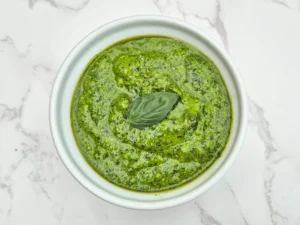
Since we’re on the topic of sunshine, this anti-inflammatory snack, which I call “Sunshine on a Plate” for how it looks, will lift you on the inside too. Serve with a slice of lemon in water, out in the garden, on the porch, or poolside.
Have a beautiful day!
FAQs
Q1. How much sun exposure do you need each day?
The amount of sun exposure you need depends on your skin tone, location, season, and time of day. For many people, spending around 10–30 minutes in the sun several times a week is enough to support vitamin D production, but it’s important to avoid sunburn.
Q2. What are the health benefits of sun exposure?
Moderate sun exposure helps your body produce vitamin D, which supports bone health, immune function, and muscle strength. It can also improve mood, regulate your sleep-wake cycle, and contribute to overall well-being when enjoyed safely.
Q3. Can too much sun exposure be harmful?
Yes. While moderate sun exposure has health benefits, excessive exposure to ultraviolet (UV) rays can increase the risk of sunburn, premature skin aging, and skin cancer. Protect your skin by limiting prolonged exposure, especially during peak sunlight hours.




Get the EBS app


Frequently Asked Questions

Google Chrome translates the text; therefore, you can choose the language of your preference to read the text. The videos will still be available only in English.
Yes. Chronic inflammation can lead to atherosclerosis (hardening of the arteries) and consequently increases the risk of strokes. Following an anti-inflammatory lifestyle can help soften the arteries and support cardiovascular health.
Do I need to cook while on the EBS Lifestyle?
Not necessarily. You can absolutely eat out by following the Eating Out Guide. This Lifestyle isn’t about perfection — it’s about damage limitation. And if you do want to cook at home, the recipes are simple, approachable, and designed for all skill levels.
Can you eat out while following the EBS Lifestyle?
Yes. There is an Eating Out section on the Eat Burn Sleep platform that will help you choose the best cuisines and the healthiest dishes on the menu when you are eating out.
Is the EBS Lifestyle suitable for me whilst pregnant?
Yes. Many women have used this lifestyle for fertility, during pregnancy, and afterward. Following this lifestyle during pregnancy has many benefits, and there is special personalized advice for Pregnancy & Postpartum. Check it with your doctor first, of course. Stick to your doctor’s supplements advice.