Posted on Leave a comment

What Is Gut Health?

How Does Gut Health Affect Us

Hi Everyone! I talk about gut health all the time, as you know, and how it can change and lead to chronic inflammation and immune dysregulation.

There is still a lot of wonder about gut health, though. Why do we need good gut health? What exactly is gut health? Is gut health just another trend until the next health trend? Does gut health matter?

Gut health really matters! It is vital to good health. It isn’t a passing health trend.

It’s important that we all know how to make and keep our guts healthy. It is linked to chronic disease and to the leading cause of death.

It isn’t just food that we need to look at, although that’s a good place to start.

I hope that you will be as fascinated about these tummy bugs as I am. It’s amazing that they are imperative to good health. Read on and share!
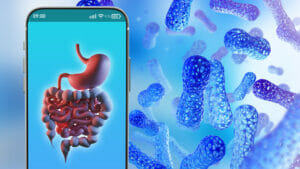
Probiotic bacteria. Beneficial substances for gastrointestinal tract. Human stomach in phone. Probiotic bacteria and microorganisms. Concept apps for taking care of body. Probiotic Immunity. 3d image

What Is Gut Bacteria?

Your gut health is the entire digestive system, running from your esophagus to your bowel, and it is full of microbes!

Your gastrointestinal tract harbors a complex colony of trillions of different microbes and thousands of species of gut bacteria, fungi, viruses, and parasites.

Suppose you can imagine this vast, industrial network of cell signaling and pathways with proteins, metabolites, peptides, etc., in the layers of the GI tract. In that case, you get a rough idea of the gut microbiome.

Most microbiota are symbiotic (which means that microbiota and the body benefit), and some are pathogenic (disease-promoting).

These microorganisms, which consist of viruses, fungi, protozoa, and microbiota, weighing in at around 4-5 lbs, all co-exist quite happily in a healthy person.

Our diverse gut microbiomes are paramount to good health. 

Female, pregnant, sat on her bed, smiling and holding her tummy.

How Do You Get Good Gut Health?

Your gut health started before you were born. That was when the first colonization occurred.

We got some from our mothers, who got their first exposure from their mother, who got hers from her mother, and so on.

Since the second we were born, we inherited and acquired trillions of bugs all over and inside us called microorganisms.

Our gut microbiome is unique to us, and it is there to protect us.

Some of our microorganisms are ancient because they have been passed down from mother to mother!

What they were exposed to was passed down, and so on.

A Grandma, Mother and Daughter lying on the floor next to each other, smiling, looking at the camera.

This links to an intriguing report about the existence of ancient microbes in our microbiome by Dr. Rook, University College, London.

These trillions of microorganisms and their genes support critical functions, which has allowed us to evolve. In return, they get what they need to survive from us!

These ancient microbes prevented the body from attacking its tissues and resembled that of the natural environment.

Why Is Gut Health Trending?

Gut health is trending because it has been realized that good gut health is imperative to good health. Gut health is real and not a fad.

Healthy eating balanced diet weight loss concept. Cropped close up photo of professional nutritionist showing good balance with hands on her stomach isolated over grey background

Please be warned about unqualified people on social media giving out gut health advice, gut health hacks, gut health weight loss tips, and so on. You could damage your gut health and open up your body to the risk of disease. I always advise that you take gut health nutrition and gut health diet advice from a qualified gut health expert/nutritionist/doctor who has studied gut health.

So, gut health is not a passing health trend. I have spent years studying gut health and chronic inflammation, and it is crucial to good health.

How Do You Know If Your Gut Health Is Balanced?

A balanced microbiota stimulates the immune system and synthesizes amino acids and vitamins. It also assists in breaking down toxic compounds, providing protection from organisms that enter the body through contaminated food and drink.

You would know about it if your gut health is unbalanced. Once you know how to look after your gut health, when it becomes unbalanced, you will feel it.

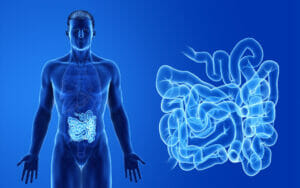
3d rendered image of a man with his gut highlighted.

What Is the Fastest Way to Improve Gut Health?

In the past, we lived under timber and close to dung and thatch. We had pantries, not refrigeration. Bacteria were more abundant, and we were exposed to them more than they are today.

Nowadays, our homes are made with manufactured products, people clean too much, and there are chemicals everywhere!

We miss that connection to the past and do not have the microbiota to deal with these extremely clean environments.

Unless we live on a farm in a natural environment or with pets! (If you think of the powers of earthing and maximizing our exposure to nature and our connection to early antioxidants).

Having good hygiene is important to avoid infections, but too much is not good for your health.

Close up a man's hand and hand sanitiser being used.

The Lifestyle Guide has more gut health information. It will help you look after your gut health, keep sickness and disease at bay, and have you feeling fantastic – every day! Start with the potent, popular Six-Week Reset.

How Can You Improve Gut Bacteria?

You can improve your gut bacteria by following an anti-inflammatory lifestyle that focuses on gut health.

Exposure is key to protection!

If we are never exposed to something, we won’t have the bugs to deal with it when we do. This is why if you have never come across a certain germ and then you are suddenly exposed to it, your body reacts. 

It’s all about diversity, remember. Your good bacteria will thrive if you do something that encourages it.

Boys planting and playing with the earth.

So, the first exposure is entirely down to our mother’s/DNA species of microbiota but also depends on how we are delivered into the world. Vaginally delivered (and position), we have microbiota resembling our mother’s vagina microbiota. C-sections would harbor microbes from a mother’s skin.

The microbiota we were born with is not very diverse but soon alters as we adapt to our surroundings so that we can digest the food we are given and deal with germs and what is around us. This cultivates a diverse, anti-inflammatory microbiome.

A baby in America is exposed to different bugs than a baby in Europe, for instance.

As we go through life, as we have changing environments, lifestyle habits, and so on, gut health corresponds with how you live.

So, if we feed the good bacteria with good nutrients, they thrive. If we feed it with damaging foods, then the damaging bacteria grows. They, in fact, like anything living, will want to survive and send signals to your brain for more damaging foods! They are that powerful!

A female holding an image of a gut in the area of her gut, signifying gut health.

How Do You Fix Gut Health ASAP?

We have bacteria all over us as the first line of defense – on our skin, in our airways, and in our guts. If we don’t give the bad bacteria any reason to grow, we stay healthy.

Gut bacteria become harmful when a healthy diversity is not encouraged. This affects the immune system, and ruins the line of defense, and that is when we are susceptible to disease. See the list of reasons below why gut bacteria change.

You can fix gut health ASAP by joining our gut health community!

Why Does Gut Bacteria Change?

Gut bacteria change with everything we do and are exposed to.

Exposure in infancy protects a child from developing weakened immune systems later in life that are sensitive to pollen, benign germs, and dust.

A mother and her baby lying on white sheets, smiling.

Likewise, exposure to chemicals in infancy can affect these gut microbiota. Did you read: Why Aspartame is Linked to Cancer? Exposure to aspartame is linked before you are born if your mother drank aspartame-laden drinks without knowing about the dangers. It has only been exposed as a carcinogen recently, despite scientists crying out for it to be banned for decades!

There are more risks of being susceptible to chronic inflammatory conditions and autoimmune diseases later in life without the correct quantity and quality of germs in childhood.

It’s really important to be exposed and not shielded unless it is chemicals!

Have you read Low-calorie Foods for Weight Loss and listened to my chat with Dr. Dawn Sherling on Food Additives & Your Microbiome and about The Behavioral Immune System with Nick Potter?

I talk all the time about how medication can cause gut dysbiosis and keep you in a perpetual state of sickness, so to speak. I found this out when I was researching what was wrong with me and how I could fix myself with two autoimmune diseases. Read NSAIDs, Gut Health & Inflammation.

Tablets, pills, medication, medicine on a table, in a bowl and in hands.

So, everything we are exposed to as we grow, along with our diets, habits, and environment, shapes our microbiota communities. This bug community can change the body into a healthy state or one at greater risk of disease.

Mental and physical health change bacteria. Stress and depression can change your gut bacteria. The wrong exercise can change it, too.

Being with people has an effect on gut bacteria.

Sleep affects gut bacteria! If you don’t get good quality regular sleep, your gut health will be affected. Have you read Weight Loss and The Link To Sleep?

And vice versa! It all works symbiotically together.

A man and woman cuddling and smiling at the camera.

How Can I Drastically Change My Health?

You can drastically change your health by joining this anti-inflammatory lifestyle. 

Your gut health will improve dramatically, and the benefits are astounding.

You see, some bacteria in your gut may grow depending on what you are exposed to and what you eat. Others may disappear or shrink, which influences the immune system in the gut and in our adaptive immune system.

There’s a whole array of activities involving antigens, innate cell types, neutrophils, T cells, and B cells, for instance, that go on in the gut that displays how the microbiota has a profound effect on both the innate and adaptive immune system. A study by Wu & Wu (2012) explains it in detail.

Microbiota can change or become fixed due to being too hygienic, even.

Having a low microbial load due to being too clean in modern life can have a powerful effect on our immune response because it will either not be tolerant or will create inflammation.

Gastroenterological manual. A model of the human intestine in the hands of a doctor. Taking care of digestion. Intestinal health. Large and small intestine in doctor hands.

What Does Gut Bacteria Do?

Our composition of microbiota has a crucial influence on our health. As I mentioned, it aids nutrient metabolism, breaks down toxic compounds, and protects against contaminated food and drink. It also ensures that the gut barrier is strong. 

Indeed, our microbiota is an intrinsic regulator of immune responses.

Gut microbiota plays a vital role in the development of immune homeostasis, including the development of gut-associated lymphoid tissues.

70-80% of immune cells (Gut-associated Lymphoid Tissue) reside in the gut. GALT is an essential component in protecting the body from pathogens. In fact, studies show that it is microbiota from before we are born that is involved in generating innate immunity during growth and development. 

Gut microbiota and gut-associated lymphoid tissue are essential players in the pathogenesis of various diseases.

Close up of a woman eating three donuts. Gut health and unhealthy diet.

The Causes of Bad Gut Health

An unbalanced microbiota results in gut dysbiosis, leading to chronic disease through (but not limited to):

  • An unhealthy diet, including calorie-restrictive and extreme diets (not all popular diets are good for you!)
  • A compromised immune system (you can be born with or acquire a weakened immune system)
  • Overstimulated bowel functions (malnutrition through inflammatory bowel conditions like Crohn’s, colitis, and diverticulitis)
  • Older age (influenced by personal factors)
  • Lifestyle
  • Obesity 
  • Medication (often to ‘treat’ disease causes more disease)
  • Antibiotics (wipe out a gut microbiota richness and diversity within four days)
  • Recurring bouts of acute inflammation (pneumonia, viruses: colds, flu, Covid)
  • Auto-inflammatory diseases
  • Stress 
  • Illness (a vicious cycle)
  • Environment (toxins, cleaning products, plastics, solvents, pesticides, cigarette smoke, mercury, and so on)
  • Sleep deprivation
  • Certain exercises
  • Isolation (not socializing significantly alters gut microbiota).


Medication is not good for gut health.

What Are the Signs of an Unhealthy Gut?

Dysbiosis (when an altered interaction between immune cells and microbiota occurs) makes the body susceptible to disease. It increases intestinal permeability (leaky gut syndrome) and opens up the chronic inflammation pathway!

When you realize how gut microbiota can get unbalanced, and contributing factors like highly processed and calorie-controlled diets, along with other factors mentioned above, you can see the link with the rise in chronic inflammatory diseases like obesity, diabetes, depression, cancer, and autoimmune diseases.

There are currently, 10 percent of the population with autoimmune diseases, and 78% of deaths worldwide are linked to chronic inflammation.

It seems that everyone has conditions that are related to the gut microbiome!

A woman in exercise gear with a measure tape around her waist, indicating weight loss.
Member’s results of living the EBS Gut-healthy Anti-inflammatory Lifestyle.

What Meals Are Good for the Gut?

You can find 300+ gut-health recipes when you sign up for this gut-health diet and lifestyle. They are globally inspired, so you get to travel around the world while you are making yourself super healthy, too! Try these taster dishes: Moroccan Burgers, Sicilian Eggplants, Asian Chicken Soup With Konjac Noodles, Mediterranean Roast Chicken & Vegetables, and Coconut & Cacao Loaf.

Why Do I Need Good Gut Health?

Having good gut health not only protects you from disease but can help you age well and keep you looking and feeling young, as long as you incorporate other lifestyle factors. Good gut health assists in looking after your skin, hair, eyes, mood, and cognition, and it helps relationships! It’s true.

If you have good gut health, you are most likely to be a better friend, and seeing people that you love spending time with is good for gut health, too. As I mentioned above, staying social is important for your gut health and immune health!

The wonderful thing is, is that with the right manipulation, you can make your gut microbiome into a healthy, diverse community.

You just need the right tools!

Posted on Leave a comment

NSAIDS, Gut Health & Inflammation

NSAIDS May Ruin Your Health

Hello Everyone! This post is all about NSAIDS, the nonsteroidal anti-inflammatory drugs most prescribed for anti-inflammatory conditions that many people use for pain.

The trouble is that depending on how often you use NSAIDS, they can worsen your condition. I will explain. Read on, and share!

A female holding four blister packs of medication.

What Are NSAIDs?

NSAIDs are nonsteroidal anti-inflammatory drugs; the medications you can buy over the counter, like ibuprofen, naproxen, and aspirin, are also prescribed by a doctor, like diclofenac and celecoxib.

Many refer to them by their brand name, like Advil, Aleve, and Celebrex. They are used for acute and chronic pain, fever, and inflammation for many conditions, except for low-dose aspirin, which is used to prevent heart attacks and strokes).

Common Side Effects of NSAIDs

Depending on how much you use them, there are side effects to longer, regular use.

The common side effects of NSAIDs are listed on the boxes as warnings and safety concerns. Several include kidney, liver, GI toxicity, respiratory, organ damage, and cardiovascular adverse effects. Bindu, S., Mazumder, S., & Bandyopadhyay, U.(2020).

A brown-haired female holds painkillers and indicates tooth pain.

Many studies link NSAIDs to peptic ulcer disease and colitis, like this study by Tai & McAlindon (2021).

Numerous studies talk about the severe side effects of using NSAIDs daily. In the British Journal of General Practice, Davis & Robson (2016) look at the dangers of NSAIDs and call for an urgent need to consider their safety.

How Many People Use NSAIDs Daily?

In a study by Gunaydin & Bilge (2018), an estimated 30 million people worldwide took NSAIDs daily!

An estimated 10 million people over 60 in the UK use NSAIDs daily, which puts them at an increased risk of adverse effects because of the natural physiological aging process that occurs, making them more susceptible. Plus, NSAIDs shouldn’t be taken with other drugs like diuretics, hypoglycaemic, anticoagulants, etc.

A female doctor handing a painkiller to her female patient who looks in pain.

I so often say that medication can save you, but long-term use doesn’t fix the source of the pain. Everyone should be screened for all potential risks and weigh the risks versus the benefits with their doctors. It is recommended that they are taken at the lowest possible dose for the shortest duration, as stated in this study by Pisano et al. (2016).

Why NSAIDs Are Bad For Your Health

NSAIDs can change the composition of your intestinal microbial community, otherwise known as gut dysbiosis, which is not good.

Gut health (with a good intestinal microbial community) is imperative to good health.

The microbes in your gut are influenced by your diet and eating behaviors, what else you ingest, like drugs, alcohol, pollutants, and so on, and stress, how you live, move, and breathe.

When you are burnt out, you can reach for things that actually make your health worse, like alcohol and the painkillers that are keeping those stress headaches at bay (but actually keep them there!).

A female stomach shown with a heart shape made by her hands to indicate gut health.

Among the microbes are bacteria, the most abundant component in your intestinal community. Over a thousand species, in fact, and they consist of good and bad bacteria!

Medication can kill off the good bacteria, shift the balance in the community, and increase the bacteria that puts your health at risk. Edogawa et al. (2018) explain the increase in the harmful bacteria and a decrease in the good bacteria.

You may like to read Side Effects of Antibiotics: IBD.

An imbalance causes gut dysbiosis, which dysregulates the immune system and leads to chronic inflammation.

You can improve gut health with prebiotic recipes like these delicious: Sesame and Sumac Lamb ChopsCoconut and Collagen Chia Pudding.

What Are Chronic Inflammation Conditions?

We need inflammation as a healthy defense mechanism against a cut, bug, or virus, but we don’t need inflammation to be running continuously. This is when it turns into chronic inflammation, which can cause pain and swelling, which is why NSAIDs are used and prescribed.

A young female sitting on a sofa clutching her stomach, indicating stomach or period pain.

There are so many conditions that are related to chronic inflammation, and many are listed here – from alopecia to cancer to depression and menopause, obesity, skin conditions, and thyroid issues.

You may like to read Signs of Inflammation That May Surprise You.

Members, access Personalized Advice for more in-depth advice for your painful and inflammatory conditions.

Do NSAIDs Cause More Pain and Inflammation?

So, the pain medication you take for your chronic inflammation condition actually causes gut dysbiosis, immune dysregulation, and chronic inflammation.

NSAIDs make your body more susceptible to pain and other diseases.

They make you less healthy than you were before.

By causing an imbalance in your gut, this explains why painkillers stop working after a while.

If you are looking to lower your cholesterol, please check this article.

Happy man looking at his pain medication and holding a glass of water.

What Is An Alternative to Taking NSAIDs?

So, if you are in the habit of popping over-the-counter painkillers for the slightest twinge or are having lots of pain, discuss it with your doctor. Everyone should be screened for all potential risks when you take any medication.

Or, if you have been prescribed painkillers for an inflammatory condition, consider an anti-inflammatory diet and lifestyle change, as well. Run it by your doctor.

They usually recommend a diet and lifestyle intervention for many health conditions, including stress. It’s incredible how it works. You may find that you visit the doctor less and use NSAIDs less and less, which will help your gut, which will more than likely help put your condition into remission.

As you use less, you will also see other positive changes like feeling brighter, more energy, and joie de vivre.

I wish that for you. Have a fantastic day!

Posted on Leave a comment

How Do You Get Nutrients With Celiac Disease?

A Nutritious Celiac Diet

Hello Everyone! I was reading a nutritional assessment recently about women with celiac disease. It revealed that their daily micronutrients were unmet.

The study in Norway (Norkost 3) showed that women with celiac disease had an unbalanced diet with a higher intake of total and saturated fat, along with a low fiber intake, compared to the general population.

The results highlighted the need for people with celiac to follow a nutrition-dense diet free of all the triggers.* 

This post is for you if you have celiac disease and need guidance in not just what to eat to ensure that you get the proper nutrition but to guarantee that taste, variety, and cakes are involved!

What Are the Symptoms of Celiac Disease?

Celiac disease is an autoimmune disease, and symptoms can be surprising and may include:

  • Diarrhea
  • Constipation
  • Bloating
  • Stomach cramps
  • Vomiting
  • Anemia
  • Nutrient deficiencies
  • Extreme fatigue
  • Headaches
  • Dizziness
  • Skin rashes
  • Hair loss
  • Damage to teeth enamel
  • Mouth ulcers
  • Joint pain
  • Low bone density
  • Sensory symptoms
  • Cognitive dysfunction
  • ADHD (attention-deficit hyperactivity disorder)
  • Low moods, anxiety, and depression
  • Weight loss


The only way to manage celiac disease is through diet and lifestyle, and if done successfully, you can live a symptom-free, rich life.

What Is the Best Diet for Celiac Disease?

If you are newly diagnosed, you may feel relieved that you finally know what has been causing all of your health challenges. 

You may have searched for the best diet for celiac disease online and resolved that you won’t be eating out anymore and will be taking food with you wherever you go. 

You may have listed everything you can eat but then be flummoxed at putting a varied meal plan together to fit into your life or the family.

The best diet recommendations for celiac disease can often feel restrictive, unsustainable, and boring. Mourning all the food you love, like cake, bread, and cookies, is expected when you have been diagnosed with celiac disease.

You may not know what to avoid since many safe foods for people with celiac disease can be made, processed, and grown alongside foods that cause celiac flare-ups.

*Some surprising ingredients in gluten-free foods will not help your celiac condition.

You could replace your current favorites with ‘gluten-free’ foods but be gaining weight and not feeling optimum health. You may not realize that other ingredients in some gluten-free packaged foods may cause gut dysbiosis.

Gut dysbiosis will exacerbate your symptoms! It causes chronic inflammation, dysregulates your immune system, and makes you vulnerable to more disease.

It can be mind-blowing, I know.

How To Eat Healthily With Celiac Disease

With celiac disease, the lining of your small intestines is damaged, and your immune system has mistakenly attacked your healthy tissues when you have eaten gluten (the substances inside are seen as threats to the body!). This causes your body to be unable to take in nutrients.

I know that when you have to watch what you eat and drink due to the need to eliminate celiac flare-ups, you can often go with tried and trusted ‘safe’ options and limit your food variety. Getting through the day without cramps or sickness is easier than anticipating an attack!

What happens to many people who have gastrointestinal symptoms with their autoimmune disease or chronic condition is malnutrition and dehydration.

These then present more issues that can develop. Anemia, as one example, then presents itself with more symptoms. Have you read Anemia, B12, & Iron Deficiencies?

Poor nutrition absorption can weaken your immune system. You may be interested in reading more about your immune system here.

What Happens if You Eat a High-Fat Diet?

The Norkast 3 study revealed women with celiac disease have high-fat intakes.

A high fat intake puts the risk of diseases of the heart at a higher rate. It can increase the risk of obesity, metabolic syndrome, fatty liver, type 2 diabetes, and certain types of cancer.

One of the problems is that processed gluten-free foods do not help you when you have celiac disease. They could be making your health worse in the long run.

You see, gluten-free processed food usually has a lot of saturated fat and chemicals to make them palatable. (Have you listened to my podcasts and Instagram Lives about additives and the microbiome with Dr. Dawn Shirling yet?).

There’s also a Masterclass Lives on Additives, that you can listen to/watch here.

High-fat diets change long-chain fatty acid metabolism and gut dysbiosis, which results in high levels of inflammatory triggers. 

A high-fat diet and chemicals can alter the bugs in your tummy (microbiota) and decrease, in particular, certain ‘good’ bacteria and increase ‘bad’ bacteria.

As I often mention, bacteria are essential in gut, brain, and immune health.

Gut dysbiosis leads to chronic inflammation, which leads to immune dysregulation.

Oftentimes, with an alteration in the tummy microbiota comes depression, anxiety, low moods, and feeling like you want to cry, for instance. This is the brain-gut connection. Have you read How Do You Live with IBS and Anxiety?

Many people with chronic inflammation suffer low moods and depression, not just because of the challenges of having the conditions and how they present themselves.

What Happens if You Don’t Eat Enough Fiber?

The women in the study with celiac disease also had low fiber intakes.

Fiber is essential in our diets for digestion, gut health, and reducing the risk of developing chronic inflammatory conditions.

Your cardiovascular system is more protected with a fiber-rich diet because fiber reduces total cholesterol and low-density lipoprotein (LDL) cholesterol. LDL is a significant risk for heart conditions. Fiber also slows down carbohydrate sugar absorption, preventing blood sugar spikes after meals.

It is essential to get the balance right because low fiber intake changes tummy bacteria diversity and feeling fuller for longer, too.

Too little can cause bowel issues like IBS and even bowel cancer.

You can miss out on many nutrients if your diet is strict or limited for whatever reason (not the correct type of fiber and fats), but I will save that for another time.

As I mentioned earlier, many deficiencies occur due to conditions that trigger many trips to the bathroom. I have been there! You can feel really ill and low because of the lack of nutrients (as well as dealing with all of the complications and challenges).

Nutrition cannot be compromised. For many autoimmune diseases, mineral deficiencies, for instance, are not compensated for.

It is crucial to have a nutrient-rich diet for celiac disease while reducing inflammation, healing the condition, and protecting from developing other conditions and symptoms.

I have two autoimmune conditions in remission, and I feel amazing!

You may be interested in listening to how I put my autoimmune diseases into remission here or reading about how our bodies are wired for healing here.

Where Do You Find Celiac Nutrition Online?

Needless to say, Eat Burn Sleep’s nutrient-packed celiac-friendly diet and lifestyle may have you feeling the same way in very little time. Plus, it just gets better, and it isn’t temporary.

You don’t have to overthink too much because I have done all the meal planning, family and friends-friendly recipes, lunch boxes, and eating-out guide for you. When I was devising it, I decided that it had to be delicious and include tons of treats. I didn’t want to miss cakes and cookies! I don’t ‘do’ bland in life!

You don’t need to be good at cooking to prepare delicious nutrient-dense celiac-friendly meals. There are dozens of cake and cookie recipes (which have a reputation for being divine by cake-eating experts!), and you will know what to eat when you dine out (the eating-out guide is on the app!).

You can still eat your old favorites in moderation (but you may not want to because of the pain they used to cause and because gut microbiota is very clever!).

One important thing to note is I advise you to think about all of the beautiful new food and ways to live that are before you if you have been diagnosed with celiac, rather than feeling like you have to give up things you love. Adopting the Eat Burn Sleep gut health diet and lifestyle will reinforce the incredible way you will feel in no time.

Changing what you eat and how you eat will aid your gut healing, digestion, nutrient absorption, brain, energy, and sleep patterns. Moving and thinking in an anti-inflammatory, stress-free way will support them further.

Eat Burn Sleep allows you to be spontaneous again!

Life is to be lived well, after all!

I hope you have a wonderful day.

Posted on Leave a comment

Side Effects of Antibiotics & IBD

Heightening the Risk of Inflammatory Bowel Disease

Hello Everyone! A Danish study wanted to determine if dosing and timing of antibiotics were important factors in the development of IBD.

More than 6.1 million individuals were included in the study derived from medical data ranging over 18 years, and the results showed that another critical factor increased the risk.

This article delves into why the side effects of antibiotics are linked to Crohn’s and ulcerative colitis, how age is associated with the likeliness of diagnosis, and how you can treat your IBD in the most effective, safest way.

If you are new to Eat Burn Sleep, many factors play pivotal roles in inflammatory bowel disease development. There are many ways to put it into remission, which are all included on this platform.

Side Effects of Antibiotics at Any Age

Can You Get IBD at Any Age?

Why Do You Have Crohn’s Disease?

What Are the Side Effects of Antibiotics?

Can Too Many Antibiotics Make You Sick?

Which Antibiotics Trigger IBD?

How Do You Reset Gut Health?


Side Effects of Antibiotics at Any Age

In the study (Faye et al. 2023) determining whether antibiotics were factors in the development of IBD, individuals had to satisfy specific criteria, and they ranged from 10 years old upwards, with no previous diagnosis of IBD—the years from January 2000 until December 2018 were studied.

It concluded that the frequent use of antibiotics that targeted gastrointestinal infections increased the risk of developing inflammatory bowel disease among males and females over 40 by 50%. 

However, it also revealed that antibiotic use at any age, including 10 years old and upwards, increased the risk of developing Crohn’s disease and ulcerative colitis. 

Each added course of antibiotics over the years from January 2000 until December 2018 created additional risk – the highest risk is seen after 1-2 years following antibiotic courses.

Can You Get IBD at Any Age?

Yes, you can get inflammatory bowel disease at any age, following antibiotics. The study showed the percentage of individuals that would be more likely to be diagnosed with IBD were:

  • 28% for 10 – 40 years old
  • 48% for 40 – 60 years old
  • 47% for those over 60 years old.

Why Do You Have Crohn’s Disease?

Please explore this platform to delve into the cause of Crohn’s disease and, indeed, become a member to put your Crohn’s disease into remission, but one reason could be down to antibiotics.

The study mentioned above revealed that the risk of developing Crohn’s disease after a course of antibiotics was:

  • 40% for individuals aged 10 to 40 years old
  • 62% for 40 to 60 years old
  • 51% for those over their 60s. 

Each course of antibiotics added an additional 11%, 15%, and 14%, respectively.

The figures were slightly lower for the risk of developing ulcerative colitis but still as significant.

The outcome showed that anyone at any age who has had five lots of antibiotic courses or more was twice as likely to develop an inflammatory bowel disease than someone who has not been on antibiotics.

What Are the Side Effects of Antibiotics?

Antibiotics change the microbial environment in the gastrointestinal tract, decreasing diversity and increasing susceptibility to disease development.

Our gut microbiota, which we carry around 4-5lbs of in our gut, changes continuously. It is home to an array of microorganisms that consist of bacteria, fungi, protozoa, and viruses. They are paramount to our health.

Our microbiota is made up of our genes, food, drink, and what we are exposed to.

Everything we imbibe will feed the good or harmful bacteria or wipe out all the good.

This includes everything around us. The air we breathe, how we live and eat, and even our thoughts.

Everything we do impacts our gut microbiota.

Everything our gut microbiota does affects us.

This includes aging.

Age impacts our microbiota.

It was found that aging adults have decreased Bifidobacterium in their gut, also seen in IBD patients.

Age-related changes like lifestyle factors can be made worse by antibiotic use, which depletes microbiota diversity, increases candida and thrush, and can have long-term effects.

Recovery from antibiotics takes younger people less than a month to recover, but it takes much longer in older people.

Can Too Many Antibiotics Make You Sick?

Gut microbiota is affected by antibiotics, medication, drugs, sickness, and stress.

So, the antibiotics cause gut dysbiosis, which is linked to chronic inflammation and IBD: Crohn’s, Colitis, and Diverticulitis, as well as other chronic inflammatory diseases.

So, you can imagine that repeat prescriptions over a period of time limit microbiota recovery.

Children are still at risk of developing IBD after antibiotics, but much less. The slow and limited recovery that comes from aging, combined with repeated dysbiosis (unbalanced gut microbiota diversity) from the antibiotics, puts a person over 40 in a perpetual state of susceptibility to disease.

Antibiotic use is a trigger for Crohn’s and Ulcerative Colitis development.

Which Antibiotics Trigger IBD?

All antibiotics and medications cause microbiota diversity and metabolic changes. The overgrowth of pathogens occurs, and antibiotic-resistant bacteria multiply, for instance.

Antibiotics can wipe out all the good bacteria, leading to inflammatory diseases and immune dysregulation. 70% of immune cells reside in your gut, you see.

So, by using antibiotics to fight an infection, you are actually making your body more susceptible to disease and viruses.

Wiping out good bacteria and pathogens results in the body being even less healthy than before.

This also highlights how medication can cause chronic inflammation and reduced immunity through gut dysbiosis and how medicine can not be effective after a while. 

Gut microbiota is imperative to human health and can be disrupted by many lifestyle factors, antibiotics, and medication. 

It is constantly changing.

It can be changed positively to an optimal state as our environments allow. 

Have you read NSAIDs, Gut Health & Inflammation, Painkillers Not Helping Your Headaches?, Why Aspartame Is Linked to Cancer, & Can Food Poisoning Cause Inflammation?

How Do You Reset Gut Health?

Resetting your system starts here. Our 6-week reset enables you to recover from antibiotic use and dysbiosis, regardless of age.

The 6-week reset reboots the immune system and reduces inflammation, which improves your mental well-being and will cause weight loss, give you more energy, and make you feel and look incredible.

I would suggest that in addition to week 1 advice, follow the advice that I share for Candida Overgrowth for more recommendations to reduce bacterial overgrowth.

It’s a powerful protocol for resetting your health and taking control of your IBD, reducing Crohn’s and colitis triggers.

It takes 21 days to revive your mind and body and 42 to feel absolutely incredible!

Then, you maintain your lifestyle with 300+ microbiota-loving recipes, keeping you in tip-top health, having what you like now and again, which will keep you happy.

The platform has amazing craving hacks, but remember, it is not about perfection. Follow the EBS method 80% of the time. Have those foods and drinks that you love, too.

Nothing is cut out 100% (keeping the bacteria), which keeps many people feeling unrestricted.

Aiming for an 80/20 mindset most of the time allows you to dip to 70/30 and sometimes 60/40. You just jump back when you can. It is all about damage limitation, and it works!

The wonderful thing is that you feel it, and as you get to know your body more through the marked changes that Eat Burn Sleep promotes, you are more likely to be on this IBD and chronic disease-reducing lifestyle effortlessly.

Incremental changes over a year make a massive difference.

Plus, your gut microbiota won’t want those trigger foods one day.

It’s hard to believe right now, but it’s true! It’s amazing. Don’t just take my word for it; check out the testimonials.

Remember to go easy on yourself, and have a wonderful day.