Posted on Leave a comment

How To Prevent Alzheimer’s Disease

Hello Everyone!

I’m sure it must be frightening to hear you have the genetic markers for Alzheimer’s disease. However, please be assured that this doesn’t automatically mean that you will develop the condition.

Why? Because you have the power to prevent Alzheimer’s disease.

It’s a bold statement, I know, but as with any inflammatory condition (which Alzheimer’s Disease is), you can use diet and lifestyle to minimize your risk of developing it.

In this article, I will tell you some facts about Alzheimer’s disease and explain how you can optimize your brain health and protect against cognitive decline.

Please share this post with anyone you know who is fearful of developing Alzheimer’s and anyone who cares for someone who has early signs of it. It might make a world of difference to their lives.

Alzheimer’s and Inflammation: The Facts

Let’s establish some of the facts about Alzheimer’s disease:

  • Alzheimer’s disease is the most common type of dementia. There are an estimated 5.8 million people in the U.S. with Alzheimer’s disease and related dementias. Around 200,000 of these are under the age of 65.
  • Women are nearly twice as likely to be affected by Alzheimer’s than men.
  • The inflammation and cellular damage that leads to Alzheimer’s begins years before any symptoms appear.
  • There are many underlying causes of Alzheimer’s, which is why the search for a single drug cure will never work.

Alzheimer’s is characterized by the appearance of amyloid plaques and knots of tau protein in brain tissue. However, this type of damage occurs in healthy brains as they age and doesn’t explain why some people develop Alzheimer’s and others don’t.

Scientists then discovered that chronic inflammation in the brain drives the progression of Alzheimer’s. It seems to be this combination of chronic inflammation alongside amyloid plaques and tau protein fibers that leads to Alzheimer’s.
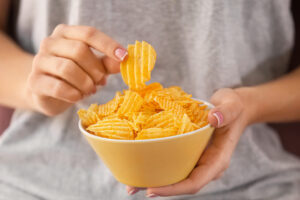
A close up of a bowl of chips being eaten by a lady but only her torso is seen.

Lifestyles Drive Alzheimer’s Risk

Alzheimer’s and other forms of dementia are more prevalent now than 100 years ago. This is because our diets and lifestyles are radically different:

  • We are exposed to more environmental toxins and chemicals in food. These toxins alter the gut microbiome and drive inflammation.
  • We do less exercise and movement.
  • We have less good quality sleep.
  • We eat junk foods that lack essential vitamins and minerals.

All these factors combine to create a state of chronic inflammation that damages brain tissue, leading to dementia and Alzheimer’s.


Alzheimer’s Disease and Gut Health

To understand the origins of Alzheimer’s we need to look at gut health. Gut bacteria have a direct effect on brain health and inflammation. What we eat affects the balance of good and bad gut bacteria and can increase our risk of inflammation in the brain.

If we choose ultra-processed foods filled with refined sugar, processed fats, and chemical additives, we are choosing to damage the gut, promote inflammation, and increase our risk of developing dementia.

If we opt for anti-inflammatory foods that provide brain-healthy nutrients, then we are choosing to nourish our gut bacteria, minimize inflammation, and protect our brains against Alzheimer’s.

Sleep and Neuroinflammation

How well we sleep influences our risk of developing neuroinflammation. Good quality sleep is vital for brain cell “housekeeping” and clearing away amyloid plaques in the brain. If you regularly get less than 7-9 hours’ sleep a night you are depriving your brain of the time it needs to do this repair work.

The Eat Burn Sleep lifestyle supports and promotes healthy sleep and we have specific advice for Insomnia. You might also like to read: What Happens If You Don’t Sleep Enough?


Movement Affects Our Brains

Exercise and movement stimulate blood flow and oxygen circulation to the brain. Brain cells get more nutrients and metabolic waste can be cleared away.

Our program includes a whole series of exercise and movement videos designed to improve your strength without increasing inflammation. Many regular forms of exercise are too strenuous. They spike your cortisol levels which then causes more inflammation.

Stress Response and Inflammation

Stress is a massive factor in chronic inflammation and dementia. We each have the power to reduce the effects of stress and improve our resilience. Regular relaxation is crucial for cognitive wellbeing and we have a library of guided meditations for you to enjoy.

 

How Long Does Protection Against Alzheimer’s Take?

In a matter of weeks, you can dramatically change your genetic expression and reduce your risk of Alzheimer’s disease. If you are as consistent as possible (I advise an 80/20 on this lifestyle), you give yourself the best protection possible.

Start the Six-Week Reset, and then follow Daily Goals and the monthly planner in the Reboot & Revive section to make your meals, meditations, exercises, and snacks for each day as easy as possible. Remember that the recipes are family-and-friends-friendly!

 

senior woman with family on sofa in living room f


Reverse Early Onset Dementia

If you have signs of Mild Cognitive Impairment (MCI) or early onset dementia, you can slow the progression and dramatically change the outcome with the Eat Burn Sleep lifestyle. Give yourself proper rest, daily movement, interesting activities to stimulate your brain, and an anti-inflammatory diet, and you will give your brain the best chance to fight dementia.

My final advice is to start protecting yourself as soon as possible. Don’t live with that fear anymore. You can protect yourself against developing inflammatory conditions like Alzheimer’s disease and look and feel years younger by doing so!

For members seeking more personalized support, the platform also offers dedicated Alzheimer’s advice as part of the Premium Membership. This includes in-depth guidance, research-backed strategies, and practical tools to help reduce risk factors and support long-term brain health.

You might also like:

How Does Sleep Help With Inflammation?

Brain Food for Studying and Focus

Signs of Inflammation That May Surprise You

With love and excellent health, as always!

Yalda x


Yalda Alaoui is a qualified Naturopathic Nutritionist (with a foundation in Biomedicine) who studied with the College of Naturopathic Medicine in London. She has spent over a decade performing groundbreaking research in chronic inflammation and gut health.

 

Posted on Leave a comment

Best Exercise to Lose Belly Fat Quickly

Hi Everyone!

How can I flatten my tummy? I get asked this question a lot, and I’m pleased to say that my answer never fails!

Every week, I receive testimonials from members saying they cannot believe their weight loss and the difference in their body shape. This is why I’m writing this article about how you can lose belly fat quickly and get a flat tummy.

Best Exercise to Lose Belly Fat and Flatten Your Tummy

What Exercise Should You Do Every Day to Lose Belly Fat?

How To Flatten Your Tummy Quickly

Best Exercise to Lose Belly Fat and Flatten Your Tummy

Before we dive into the exercises, I need to explain the different types of fat we all have. There are two main types:

Subcutaneous fat is the fat lying just underneath your skin. It is usually harmless and helps regulate body temperature and protect your bones from injury.

Visceral fat lies much deeper in your abdominal cavity. It can build up around your stomach, liver, kidneys, intestines, and inside your arteries. This type of fat behaves in a different way to subcutaneous fat. It releases pro-inflammatory chemicals and hormones, increasing your risk of systemic inflammation, insulin resistance, Type-II diabetes, and heart disease.

Women who have had children are more prone to visceral belly fat than women who haven’t. And when a woman reaches menopause, the drop in estrogen encourages more fat deposition in the belly area – regardless of whether you have had kids or not.

However, both men and women of all ages can reduce the risk of visceral fat build-up by eating foods that do not contribute to belly fat (and some of it is surprising) while doing exercises to strengthen and tone the abdominal muscles.

The key here is consistency. If you want to see positive results, you have to build healthy habits that last.

Trends in exercises and exercise machines for losing belly fat and flattening your tummy come and go. They are not all good for your body. Many trendy exercises can inflame your body, increasing your risk of disease. And some exercises may be fine when you are young but less suitable as you age. For example, I was a runner until my physiotherapist put me off by asking if I wanted joint and bladder issues!


What Exercise Should You Do Every Day to Lose Belly Fat?

Forcing yourself through a grueling exercise routine for an hour every day to lose belly fat isn’t as effective as any gentle movements in the movements section.

Prolonged, intensive exercise has other drawbacks too. Some studies show that high-intensity exercise releases endorphins linked to increased negative feelings and pain. This could be one of the reasons why many people dread this sort of daily exercise and quickly abandon it.

To reduce belly fat and focus on flattening your tummy, start the 6 Week Reset as soon as you can and do these exercises every day:

19-minute Stretch For Digestive Issues

19-minute Core Fire & Body Strength

22-minute Glutes & Core

25-minute Bloat & Digestion

31-minute Powerful Core & Glutes

34-minute Arms, Abs & Glutes

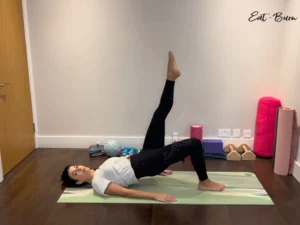
26-minute Yoga & Pilates

I recommend measuring yourself today and again next week to see the difference!

If you do this you cannot go wrong in your quest to reduce belly fat and flatten your tummy.

These powerful movements are easy to follow but do not have you breaking into hot sweats. They are not jarring to your joints and bones so there is no risk of creating future joint issues. Check out the ones with meditations. They are so nourishing to the mind, body, and soul.

How To Flatten Your Tummy Quickly

Start the 6-Week Reset as soon as possible, like today. The 6-week Reset tells you what to eat each day and when to incorporate the exercises and meditation practices. Our Red List of foods identifies the foods that contribute to belly fat. Stick with the Green List foods, with occasional treats from the Orange List and you will be successful!

Follow the daily movement plans and focus on the exercises that develop core strength and tone your abdominal muscles. Get out for a walk as often as you can too. Walking complements the EBS lifestyle, helping you reduce belly fat and gain muscle. I love walking, and I share my reasons why in this article: 10 Reasons to Walk.

Even a 12-minute Morning Wake-up will do wonders to get you started. As long as you enjoy plenty of the anti-inflammatory foods and drinks listed in the Lifestyle Guide, you will never be hungry.

Sleep and Weight Loss

Remember that you will also sleep better when you follow the Eat Burn Sleep program. Good quality sleep is crucial for healthy weight balance and there are many studies to prove this.  Overall, adults who have 7- 8 hours of good quality sleep a night have less visceral belly fat than someone who only has 5 hours or less.

Read more about it in this post: Weight Loss & the Link to Sleep.

You can age well and have a flat tummy. And it’s never too late to start working toward this. Weight gain can be safely turned around with the right foods, movement, and relaxation. I do all of the above and am in the best shape ever. I don’t do anything extra!

But don’t just take my word for it. Check out our members’ reviews from people like Ingrid, Selima, and Julie…

“EBS not only helped me mentally, but it also gave me the push I needed to finally take control of my drinking. I used to love a drink at the end of a busy day, but it got so easily out of hand for me and I felt so well by following the lifestyle that I decided I didn’t need to do it anymore. That was last June and I’ve never felt better.

My weight has always been between 9.7 and 10 stone and as a result, it’s now been 8st for the last few months.” Ingrid

I can’t thank you enough for all the goodness you’ve brought to my life. Feeling so good after a three-year burnout and three kids, thanks to your food and motivational insights. Plus, 10 kilos down with very little effort postpartum!

Thank you!!!” Selima

“I am so impressed with what the EBS lifestyle has done for my body. My husband, family, and friends have all noticed as well. Nearly 5 months later and weighing a healthy 12lbs less than when I started, I love it!” Julie


Do you want results like these? Get started on your flat belly TODAY! Take a look at the program and check out our membership options now.

Once you’ve joined, you can catch the Masterclass Lives on How to Stay Fit Beyond 35, Perimenopause & Menopause Weight Loss, How to Get Rid of Cravings and Emotional Eating.

You might also enjoy:

Does Cortisol Cause Weight Gain?

How Much Does Inflammation Affect Weight Loss?

Is AG1 Supplement Good For You?


With love for your weight loss journey,

Yalda x

Yalda Alaoui

Yalda Alaoui is a qualified Naturopathic Nutritionist (with a foundation in Biomedicine) who studied with the College of Naturopathic Medicine in London. She has spent over a decade performing groundbreaking research in chronic inflammation and gut health.

 

Posted on Leave a comment

Best Hangover Tips: How to Recover Faster

Why Am I So Hungry When Hungover? Plus My Best Hangover Tips

Why Am I So Hungry When Hungover? Plus My Best Hangover Tips

Hi everyone! 

Do you enjoy socializing with a drink? So do I. I’m not a big drinker, and it doesn’t take much for me to feel rough after a night out, so if you’ve woken up wondering why I’m so hungry and hungover the day after drinking, I promise you’re not alone, and there’s a real reason behind it.

Let’s face it, none of us is perfect, and life wouldn’t be much fun without the occasional late night. My honest philosophy on drinking and socializing: the best hangover tips are simple: drink less, have more fun. Socializing genuinely benefits your mental health and your immune system, and for a lot of us, that goes hand in hand with a drink now and then, which is exactly why small amounts of alcohol are allowed as part of the Eat Burn Sleep lifestyle.

The tricky part is the next morning.  So let’s get straight into the question I get asked constantly, in every form: why am I so hungry after drinking the night before, why am I so hungry when I’m hungover, and why does a hangover make me so ravenous?

Why Am I So Hungry When Hungover?

Why Am I So Hungry When Hungover

You’re hungrier when hungover mainly because alcohol crashes your blood sugar, dehydrates you in a way your body mistakes for hunger, and wrecks your deep sleep, which throws off the hormones that control appetite. Whether you’d describe it as being so hungry, hungover, or just hungry the day after drinking, it’s the same underlying cause. The result is a strong, hard-to-ignore craving for starchy, salty, or sugary food.

Here’s what’s actually going on, one piece at a time:

  • Alcohol is essentially liquid sugar. A few drinks send sugar flooding into your bloodstream, spiking your blood sugar. A few hours later, it crashes, and you’re left craving starchy food to bring it back up.
  • Alcohol is dehydrating. Dehydration can trigger hunger signals because your body sometimes mistakes thirst for hunger.
  • Your sleep takes a hit. Alcohol disrupts deep, restorative sleep especially. You might drop off fast, but your normal sleep cycles get disrupted underneath the surface.
  • Poor sleep messes with your hunger hormones. Without proper deep sleep, you produce more ghrelin (your hunger hormone) and less leptin (your satiety hormone), a combination that makes you want to eat more than usual.
  • Your liver is working overtime. Detoxifying alcohol uses up a lot of energy and nutrients, so it makes sense that your body starts craving food to keep up with the demand.

If any of this sounds familiar, you might also want to read about how good, regular sleep helps you lose weight; the same hormones are at play here. Read this article on Weight Loss and the Link to Sleep.

How To Recover From a Hangover

How To Recover From a Hangover

First things first: don’t beat yourself up. You had a great night, and life is meant to be enjoyed. Overindulging happens to the best of us.

If you can start your recovery plan before you even go to sleep, you’re already ahead. When you get home, drink plenty of water and consider adding electrolyte minerals such as magnesium and potassium to help replace those lost through alcohol. We also share a simple homemade electrolyte mix in our Electrolytes recipe. Some nights I’ll take a dose of Alka-Seltzer too, just to head off acid indigestion, as alcohol and sugary drinks can be a common trigger for reflux.

(Please check with your doctor before taking any over-the-counter medicines.)

When you wake up the next morning, repeat the process, keep rehydrating, and don’t push yourself too hard too soon.

How To Recover From a Hangover

What to Eat the Morning After a Hangover

What to Eat the Morning After a Hangover

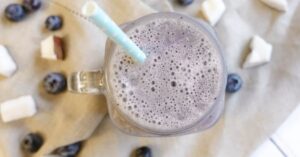
When I wake up hungover, I crave sugar hard, and the last thing I want is something virtuous like eggs and salmon. So I make my go-to Coconut and Fruit Protein Shake, which satisfies the sweet cravings while keeping my blood sugar stable, instead of sending it on another rollercoaster.

Other breakfast options I turn to:

  • Bananas: packed with magnesium, vitamin B6, and fiber.
  • Avocados: another great source of fiber, magnesium, and potassium, which help support energy levels and blood pressure.
  • Almonds: A handful of almonds gives you fiber, B vitamins, and antioxidant vitamin E.
  • Eggs (if you can face them): boiled, scrambled, poached, or in a Shakshuka. Eggs are packed with protein, B vitamins, and glutathione, our master antioxidant, and your liver needs plenty of both to finish detoxing the alcohol.

Later in the day, a bowl of immune-boosting chicken soup is one of my favorites. It’s hydrating, and the turmeric, carrots, lemon, and olive oil all support liver health at the same time.

immune-boosting chicken soup

The goal is simple: fill your body with nutrients and resist the pull toward junk food. Junk food will only make you feel worse in an hour. This isn’t about punishing yourself; it’s about nourishing yourself back to normal.

Members: there’s a full Overindulgence Recovery Protocol in the Membership Section, which also covers bouncing back from overeating.

Everyone: making a batch of egg muffins before your night out means you’ll have a healthy snack waiting when you get home. Your future self will thank you.

What to Drink When You Have a Hangover

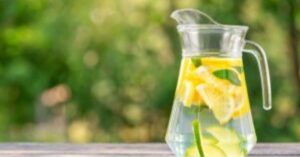
Water is the single most important thing you can drink. Have it plain, or add fresh lemon slices for a vitamin C boost.

Coffee can worsen blood sugar swings, but if you really want one, go ahead; just have it after food, never on an empty stomach.

Green tea is one of my favorites for hangover mornings. It’s rich in antioxidants, supports healthy blood pressure, helps regulate blood sugar, and gives your metabolism a gentle boost. The caffeine in green tea is balanced out by an amino acid called theanine, which calms your nervous system so you feel alert without the jittery edge.

lemon juice

Get Moving and Shake Off That Hangover

Gentle movement gets your blood flowing and boosts endorphins, your body’s natural mood lifters. A light walk, an easy jog, or a gentle yoga session all work well. Getting outside in daylight is even better, since natural light and vitamin D help reset your body’s normal rhythms. Later that evening, if you’re an Eat Burn Sleep member, a soothing meditation bath before bed is the perfect way to close out the day.

Get Moving and Shake Off That Hangover

What to Drink to Avoid a Hangover Altogether

What should you actually drink on a night out if you want to wake up feeling human? Here’s exactly what I do:

  1. Alternate water and alcohol. This is the single biggest thing that keeps me from getting dehydrated. My trick: order sparkling water with ice and a slice of lemon between drinks. It looks like a cocktail, so nobody questions it, and you get a proper break from the alcohol without anyone noticing.
  2. Steer clear of cocktails. Cocktails are usually loaded with sugar, and I’d rather save those calories for a proper Eat Burn Sleep muffin the next day. Sugar also disrupts the healthy bacteria in your gut, which is part of why sugary cocktails leave you feeling worse the morning after. If you love a mixed drink, try a plain spirit like vodka, tequila, or gin with soda water, lime, or just a drop of cordial. A small amount of cordial is nothing compared to the sugar load in a full cocktail.
  3. Limit wine and champagne. I love a good glass of wine, but I stick to one, maybe two. My own health issues make me feel the yeast and fructose in wine and champagne almost immediately, and I pay for it the next day. If you’re out for dinner, though, go ahead and enjoy a proper glass with your meal. It’s about moderation, not restriction.

What to Drink to Avoid a Hangover Altogether

I hope these are genuinely some of the best hangover tips you’ll find, and that this was helpful. If you’ve got your own hangover tips, share them in our members’ health community, or drop me a message on Instagram

Don’t forget to smile and enjoy having a fantastic social life!

I also chat about the importance of socializing with Nick Potter on the podcast about the behavioral immune system. We get into the immune system, gut health, and socializing, among other things. Well worth a listen if this topic interests you.

You may also like:

And if you notice you’re regularly hungover and feeling anxious or low afterward, know that we have Expert Advice for depression on the platform, plus insomnia and 40+ other conditions.

Enjoy your night out!

Frequently Asked Questions

Does alcohol make you hungry the next day, or just during a hangover? 

Both, actually. The blood sugar crash and dehydration hit hardest the next morning, but the effect on your hunger hormones (more ghrelin, less leptin) can linger for a day or two if your sleep was badly disrupted.

Why can’t I eat when I’m hungover, even though I feel hungry? 

Some people experience the opposite feeling, too hungover to eat, where nausea and stomach irritation override hunger signals entirely. If this is you, start with small sips of water and something bland like plain toast or crackers before attempting a full meal.

Does eating help with a hangover? 

Yes, eating the right foods helps stabilize your blood sugar and gives your liver the nutrients it needs to finish detoxifying. The key is choosing nutrient-dense food over greasy junk food, which tends to make you feel sluggish rather than better.

What’s the best food for a hangover? 

Foods rich in electrolytes, protein, and healthy fats work best, such as bananas, avocado, eggs, and a nutrient-dense smoothie. Save the greasy takeaway for another day; it rarely delivers the relief people expect.

Does being hungover actually make you hungry, or does it just feel that way? 

It’s real, not just in your head. The blood sugar crash, dehydration, and disrupted sleep hormones all genuinely increase your appetite; it’s not willpower failing you, it’s biology.

Why are you so hungry when hungover compared to a normal day? 

On a normal day, your blood sugar and hunger hormones stay fairly stable. A hangover throws both off at once: a sharp blood sugar crash plus a hormone imbalance from poor sleep, which is why the hunger hits so much harder than usual.

What does hangover hunger actually feel like, and is it different from regular hunger?

Hangover hunger tends to feel more urgent and less selective. You’re not craving a balanced meal; you’re craving anything starchy, salty, or sweet, fast. That’s the blood sugar crash talking, not genuine physical need, which is why reaching for nutrient-dense food (rather than the nearest takeaway) tends to satisfy it better.

Is it normal to feel hungry after drinking alcohol even without a full hangover? 

Yes. Even one or two drinks can nudge your blood sugar and hydration enough to trigger some hunger, especially later in the evening or the next morning. You don’t need a full-blown hangover for the effect to kick in.