 Reboot and Revive


Hi everyone,
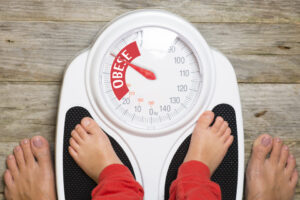
Quick Answer: At Eat Burn Sleep, we explain how inflammation and weight gain feed each other in a cycle. Excess body fat releases inflammatory chemicals (cytokines), which can worsen insulin resistance and leptin resistance, making it harder to feel full and to lose weight. There is no fixed number of pounds, but inflammation can add some water weight through fluid retention, and over time it is linked to fat gain. Breaking the cycle means eating fewer ultra-processed foods, choosing movement that doesn’t overstress your body, staying hydrated, sleeping well, and managing stress, not just cutting calories.
Are you finding it hard to lose weight? Do those stubborn pounds refuse to budge no matter how carefully you diet or how hard you exercise? In my experience with clients at Eat Burn Sleep, chronic inflammation can be one hidden factor underneath.
In this post, I’ll explain how much inflammation affects weight loss, how much of the number on the scale may be water, why some “diet” foods can work against you, and my top 5 tips for losing weight in a way that lasts.
What is Chronic Inflammation?
There are two types of inflammation: chronic and acute. Acute inflammation shows up quickly during an injury or illness; think of a broken bone or a high fever with the flu. Once the injury or illness starts to heal, that acute inflammation settles back down.
Chronic inflammation is different. It’s when your immune system keeps producing inflammatory chemicals long after it needs to. It can be driven by an ongoing illness, stress, excess body fat, poor sleep, a diet high in ultra-processed foods, or environmental exposures.
Conditions that commonly feature chronic inflammation include the following. If you have any of them, please work with your doctor alongside any diet changes:
- Crohn’s Disease, Colitis, and Diverticulitis: An anti-inflammatory diet may help reduce flare-ups, improve digestion, and support better gut health for people with these digestive conditions.
- Diabetes: Healthy eating habits can help stabilize blood sugar levels and improve insulin sensitivity. Speak to your doctor before changing your diet or medication.
- Endometriosis: An anti-inflammatory lifestyle may help ease pain, reduce inflammation, and support overall hormonal health in people with endometriosis.
- Irritable Bowel Syndrome (IBS): Choosing gut-friendly foods can help relieve common IBS symptoms such as bloating, abdominal pain, constipation, and diarrhea.
- Long COVID: A nutrient-rich diet may support general wellbeing during recovery, though research on diet and long COVID is still limited.
- Migraine: Identifying dietary triggers and eating anti-inflammatory foods may help reduce the frequency and severity of migraine attacks.
- Psoriasis: Healthy eating and lifestyle changes may help lower inflammation, improve skin health, and reduce psoriasis flare-ups.
- Thyroid Issues: A balanced diet rich in essential nutrients can help support thyroid function and promote overall metabolic health.
As you can see, chronic inflammation shows up across a huge range of health conditions, which is exactly why it’s so hard to lose weight when you’re dealing with an ongoing health issue. Addressing the underlying inflammation alongside diet and lifestyle can make weight loss easier, because ongoing inflammation can work against you however disciplined you are.
How Much Inflammation Affects Weight Loss?

Inflammation affects weight loss by making it harder to lose fat and easier to gain it, and extra body fat then drives more inflammation. It’s a two-way relationship, and several metabolic processes sit behind it:
- Excess body fat releases inflammatory chemicals called cytokines, which raise markers such as C-reactive protein (CRP).
- That low-grade inflammation can worsen insulin resistance, contributing to higher blood glucose and fat build-up in the liver, which impairs insulin even further and creates a feedback loop that can be hard to break on your own.
- Excess fat and inflammation are also linked to leptin resistance. Leptin is the hormone made by your fat cells that tells your brain you’re full. When the brain stops responding to it properly, satiety signals weaken and it becomes easier to overeat without realizing.
How Much Weight Can Inflammation Actually Cause?
This is one of the questions I get asked constantly, so let’s get specific. Inflammation itself doesn’t add “weight” the way food does, but it drives weight gain in two distinct ways, and it helps to understand both.
First, there’s the fluid side: active inflammation can make your tissues retain water, so some of the number on the scale may come from swelling and fluid retention rather than fat. How much varies from person to person and depends on the cause.
This is why some people ask how much inflammation weight you can hold, how much does inflammation weigh, or how much weight is inflammation. The honest answer is that there is no fixed figure. Some of that weight can be inflammatory fluid, not fat, and it tends to shift once inflammation settles.
Second, there’s the metabolic side: through the insulin and leptin disruption I just walked through, ongoing inflammation is linked to real fat gain over months and years, not just a one-off fluctuation.
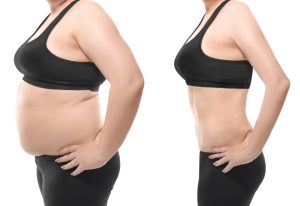
So how much weight can you lose by reducing inflammation? There is no guaranteed amount.In my experience with Eat Burn Sleep members, addressing inflammation alongside diet, sleep, and stress often makes steady, sustained weight loss easier than dieting alone, because you’re working on the mechanism and not just the symptom. If your weight changes without explanation, ask your doctor to check for underlying causes.
Can Ultra Processed Foods Cause Inflammation and Weight Gain?

In 2019, Dr Kevin Hall and colleagues at the US National Institutes of Health ran a tightly controlled trial on ultra-processed foods (UPFs). In this two-week study, people eating a UPF diet ate on average around 500 more calories per day and gained weight, compared with when they ate an unprocessed diet (Hall et al., 2019, Cell Metabolism). The study was small and short, so it shows UPFs make overeating easier, not exactly how much weight they cause over years.
Many heavily marketed “diet” foods are UPFs. They often contain artificial sweeteners, emulsifiers, high-fructose corn syrup, flavorings, and thickeners, and some of these additives may disturb your gut bacteria and contribute to inflammation. Research here is still developing, and much of it comes from lab and animal studies.
How might that happen? One proposed link is the gut-brain axis. The billions of bacteria in your gut microbiome communicate with your brain through nerves, hormones, and immune signals, and what you eat shapes which bacteria thrive. A diet of UPFs such as diet shakes and ready meals may favor bacteria linked with cravings and inflammation, while UPFs are also simply easy to overeat because they are so palatable and low in fiber.
Another problem is that many UPFs are low in fiber, vitamins, minerals, and phytonutrients, so you get plenty of calories without much of what your body needs to thrive.
Some additives may disturb the balance of good and bad bacteria in your gut. Researchers think this can weaken the gut lining and increase intestinal permeability (often called “leaky gut”, though it is still debated how much it matters in healthy people), which is linked to inflammation.
And as I mentioned earlier, chronic inflammation is linked to weight gain, which is how the weight gain-inflammation cycle can get started.
Top 5 Tips for Lasting Weight Loss

So now you understand how much inflammation affects weight loss and how ultra-processed diet foods can work against you, here’s what I recommend doing instead. These are my top 5 tips for losing weight in a way that lasts:
- Ditch the inflammatory foods. Steer clear of ultra-processed meals and snacks, diet sodas, energy drinks, candy, doughnuts, chips, and sugary cereals.
- Avoid overtraining. Regular moderate exercise such as walking, strength training, and yoga is anti-inflammatory, but very intense workouts without enough recovery can raise stress hormones. Many Eat Burn Sleep members assume harder is better, when steady, sustainable movement usually works better for them.
- Stay hydrated. Thirst and hunger can feel similar, so it’s worth having a glass of water when you reach for a snack and checking whether you’re still hungry afterwards.
- Prioritize good sleep. This is such an important and underrated step for sustaining weight loss. I go into exactly why in How Does Sleep Help With Inflammation?
- Learn to relax. Cortisol, your main stress hormone, programs your body to store fat around your belly. That won’t shift until you genuinely learn how to relax and build resilience to stress. I cover this in more depth in Does Cortisol Cause Weight Gain?
Lose Weight With Eat Burn Sleep
What I love about the Eat Burn Sleep program is that it brings together food, movement, and stress support to help you tackle inflammation and build healthier habits.
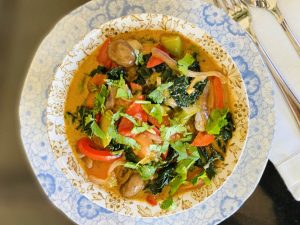
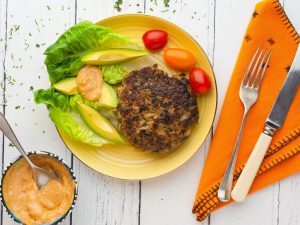
Our meal plans and food lists tell you exactly what to eat. The movement videos show you how to exercise without making inflammation worse, and our meditation guides help you manage stress and keep your cortisol levels in check.
But don’t just take it from me; here’s what our members have to say:
Ingrid says:
“I just wanted to let you know how much of an impact you have made on my life. My weight has always been between 9.7 and 10 stone, and as a result, it’s now been 8st for the last few months. My sister is also a member, and we feel like you are part of the family; you’re the one we go to for advice on almost everything!”
Brooke says:
“I love your ‘soothing workouts’ and all your advice. I also wanted to let you know that when I rejoined last year, I had my physical, and my weight was 172 lbs. My physical last month was 142 lbs. Thank you so much.”
Dina says:
“After just one week of the Six-Week Reset, I have lost 3.5kg. I am thrilled with the result, and I look forward to losing some more!”
Ready to lose weight the easy way? Find out more about our membership options now.
You might also enjoy:
However much inflammation is currently affecting your weight loss, I genuinely believe you can turn it around once you know what’s actually driving it.
Yours, in health, Yalda x
Yalda Alaoui is a qualified Naturopathic Nutritionist (with a foundation in Biomedicine) who studied with the College of Naturopathic Medicine in London. She has spent over a decade performing groundbreaking research in chronic inflammation and gut health.
FAQS
Q. How much weight does inflammation cause, exactly?
There is no fixed number, because it depends on the cause and on your individual health. Inflammation can add some water weight through fluid retention, and over months or years it is linked to fat gain through insulin and leptin disruption. Weight that doesn’t respond to diet and exercise is a reason to ask your doctor about underlying causes.
Q. Does inflammation cause weight loss, or weight gain?
Mostly weight gain. Chronic inflammation is linked to fluid retention, insulin resistance, and changes in appetite signals, which can make weight gain more likely. In some cases, a severe inflammatory illness can cause weight loss instead, through poor appetite or higher energy needs, so unexplained weight changes are worth checking with your doctor.
Q. Is inflammation weight fat or water?
Both are possible. Active inflammation can cause fluid retention, which shows up as water weight and tends to shift as inflammation settles. Longer term, ongoing inflammation is linked to real fat gain through its effects on insulin and appetite hormones.
Q. Can inflammation stop you from losing weight?
It can make it harder. Inflammation is linked to insulin resistance, leptin resistance, and fluid retention, which can affect hunger, fullness, and the number on the scale. Addressing sleep, stress, food quality and any underlying condition alongside calories gives you the best chance of progress.
Q. How much weight can you lose on an anti-inflammatory diet?
There is no guaranteed amount. An anti-inflammatory diet built around vegetables, fruit, oily fish, olive oil, nuts, legumes and whole grains can support steady, sustainable weight loss when it replaces ultra-processed foods and creates a modest calorie deficit. Results vary, so aim for gradual progress rather than a fixed number.
Q. Does inflammation weigh anything on its own?
No. Inflammation is a biological process, not a substance with its own weight. What shows up on the scale is the fluid retention and metabolic changes it can cause, not the inflammation itself.