Posted on Leave a comment

Is AG1 Good for You? My Honest Take on the Ingredients

AdobeStock 307195784 e1695735864233

Hi everyone,

I’m asked constantly, “Is AG1 good for you?” and I have to be honest with you: no, I don’t think it is. When I first saw it on the market, I liked to stay on top of new products, so I ordered a packet for myself. I was genuinely horrified by the ingredients once I actually read them, horrified enough that I sent it back. Let me walk you through exactly why, so you can learn to spot these red flags yourself next time.

What Is AG1?

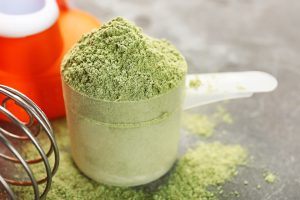
AG1 is a green powder supplement that combines vitamins, minerals, probiotics, adaptogens, and plant-based ingredients into a drink you mix with water. It is widely promoted by health influencers, athletes, and healthcare professionals, with claims that it supports gut health, immunity, energy, and recovery.

However, while AG1 contains an extensive blend of ingredients, the formula may not provide the same benefits for everyone. The effectiveness of many ingredients depends on their dosage and your individual nutritional needs, so it’s important to look beyond the marketing claims before deciding whether it’s the right choice for you.

Are Supplements Safe?

Are Supplements Safe

Here’s something most people don’t realize: supplements aren’t FDA-approved. The manufacturer is responsible for the safety of their own product, but they don’t actually have to prove that safety to anyone before it hits the shelves. They don’t have to prove effectiveness either.

A supplement company might work with another manufacturer who verifies the safety of certain ingredients, but that second manufacturer isn’t required to prove their own ingredients are safe either. Its verification was built on a foundation that was never independently checked. The FDA provides no safety certification for supplement formulas, their ingredients, or their additives, and those additives are rarely, if ever, rigorously tested.

My honest advice: stick to trusted brands that genuinely research their own ingredients and products, like Minami or Biocare. You can see more of what I personally use and trust on my Yalda Loves page. But even the best supplement in the world can’t replace a genuinely healthy diet and lifestyle. Before reaching for any supplement, ask yourself what you actually want it to do because, in my experience, most of those goals (weight loss, easing pain, better energy, clearer skin, managing low mood) are achievable through the EBS anti-inflammatory lifestyle itself, without the guesswork.


What Do Supplements Contain?

What Do Supplements Contain

Plenty of popular supplements are padded out with unnecessary excipients, fillers, stabilizers, bulking agents, and preservatives. Because supplement companies aren’t bound by the same laws as food and drug manufacturers, they can get away with cheap additives, which is a big part of why supplement manufacturing has become a billion-dollar industry.

Knowing what to look for in a genuinely good supplement, and what to flag as a cheap filler, matters. I’d urge you not to be swayed by a doctor’s or celebrity’s endorsement, or to buy something online without actually reading and understanding what’s in it.

Is AG1 Good for you?

Is AG1 Good for you 

AG1 has been around for a while, carries doctor endorsements, and has well-known investors, so there’s a lot built into the brand that makes people trust it instinctively. It’s endorsed by Dr. Chatterjee, Dr. Mark Hyman, Huberman Lab, and Dr. David Sinclair, so it’s no surprise the revenue numbers are apparently through the roof. When doctors tell you something is good for you, most people stop asking further questions. I don’t think you should.

AG1 was founded in 2010, originally under the name Athletic Greens AG1 Liver Support Ingredients. It’s a blend of 75 vitamins, minerals, superfoods, probiotics, and adaptogens, and the brand states there are no GMOs, herbicides, pesticides, artificial colors, flavors, or preservatives. According to their own website, it’s made from the highest quality ingredients under the strictest standards, but remember, there’s no FDA-enforced standard actually holding them to that claim.

The Real Risks of Taking AG1

The Real Risks of Taking AG1

Supplements are genuinely big business, and manufacturers still don’t have to prove their safety. Even with a “reputable” brand, I’d always recommend running the ingredient list past your nutritionist or healthcare provider first. That one step minimizes your risk of:

  • Contraindications with medications or other supplements you’re already taking.
  • Accidentally taking too much of a given vitamin or mineral.
  • Sensitivities to ingredients that aren’t officially classed as dangerous, but still don’t agree with you.

AG1 does contain genuinely beneficial active ingredients, including B vitamins, zinc, and vitamin C. But that same concentration of active ingredients can be hard for some people to digest and properly absorb. Several of the herbal ingredients also carry well-documented risks. Too much licorice, for example, can lead to hypokalemia and hypertension, and some people are far more sensitive to licorice than others (Kwon et al., 2020). There’s no caution about this anywhere on AG1’s own website.

The ingredient that concerned me most, within seconds of reading the label, was soy lecithin.

Why the AG1 Ingredient Soy Lecithin Has Health Risks

Why the AG1 Ingredient Soy Lecithin Has Health Risks

Soy lecithin has been shown to harm the gut microbiome and may trigger gut dysbiosis (Miclotte et al., 2020). That’s the opposite of what you want from something marketed as supporting gut health, immunity, and recovery.

Soy lecithin is added purely as an emulsifier; it’s not there for any health benefit. You could argue that the good ingredients in AG1 outweigh it, but soy lecithin is actually the second-largest ingredient in the entire formula. Research into emulsifiers like this is still ongoing, but so far we know:

  • Higher levels of soy lecithin encourage Enterococcus and Clostridium bacteria in the gut, both of which are pathogenic and linked to disease.
  • Soy lecithin is associated with reduced diversity in the gut microbiome (Miclotte et al., 2020).
  • By disrupting the microbiome, emulsifiers like this contribute to a pro-inflammatory state and the development of Metabolic Syndrome (Miclotte et al., 2020).

Disruption to the gut microbiome dysregulates the immune system, which drives chronic inflammation, and that shows up differently in every person: alopecia, candida and H. pylori overgrowth, depression, IBS, bloating, migraines, obesity, Metabolic Syndrome, skin inflammation, and more. If you’re already managing an inflammatory condition and regularly taking a supplement loaded with soy lecithin, you could genuinely be making things worse.

There’s a footnote on the label stating the product “contains a premium lecithin for phosphatidyl serine and phosphatidylcholine.” Worth knowing: the metabolism of phosphatidylcholine from soy lecithin in the gut has been linked to cardiovascular disease in published research (Wang et al., 2011; Tang & Hazen, 2014).

How Is Soy Lecithin Actually Made?

To produce soy lecithin, soybean oil is first extracted from raw soybeans using an industrial solvent. The oil then goes through “degumming,” mixing it with water until the lecithin separates out. From there, it’s dried and often bleached. That processing degrades the DNA in the soy lecithin, so it becomes genuinely impossible to tell whether the source was GMO or not. I’ll be honest, I’m still not entirely sure what AG1 means by “premium” soy lecithin either.

Is the Inulin in AG1 Safe for Digestion?

Is the Inulin in AG1 Safe for Digestion

The other AG1 ingredient I’d flag is inulin, listed as the fourth ingredient on the label.

Inulin is a prebiotic fiber that can shift your gut microbiota. That can be helpful in the right circumstances, but if your microbiome is already out of balance, it risks feeding the harmful microbes instead of the beneficial ones.

Animal studies show inulin can disturb systemic cholesterol and bile acid metabolism, and may have detrimental effects on liver function (Pauly et al., 2020). And if you already struggle with digestive issues, inulin is a well-documented trigger for bloating, excess wind, cramps, and diarrhea. 

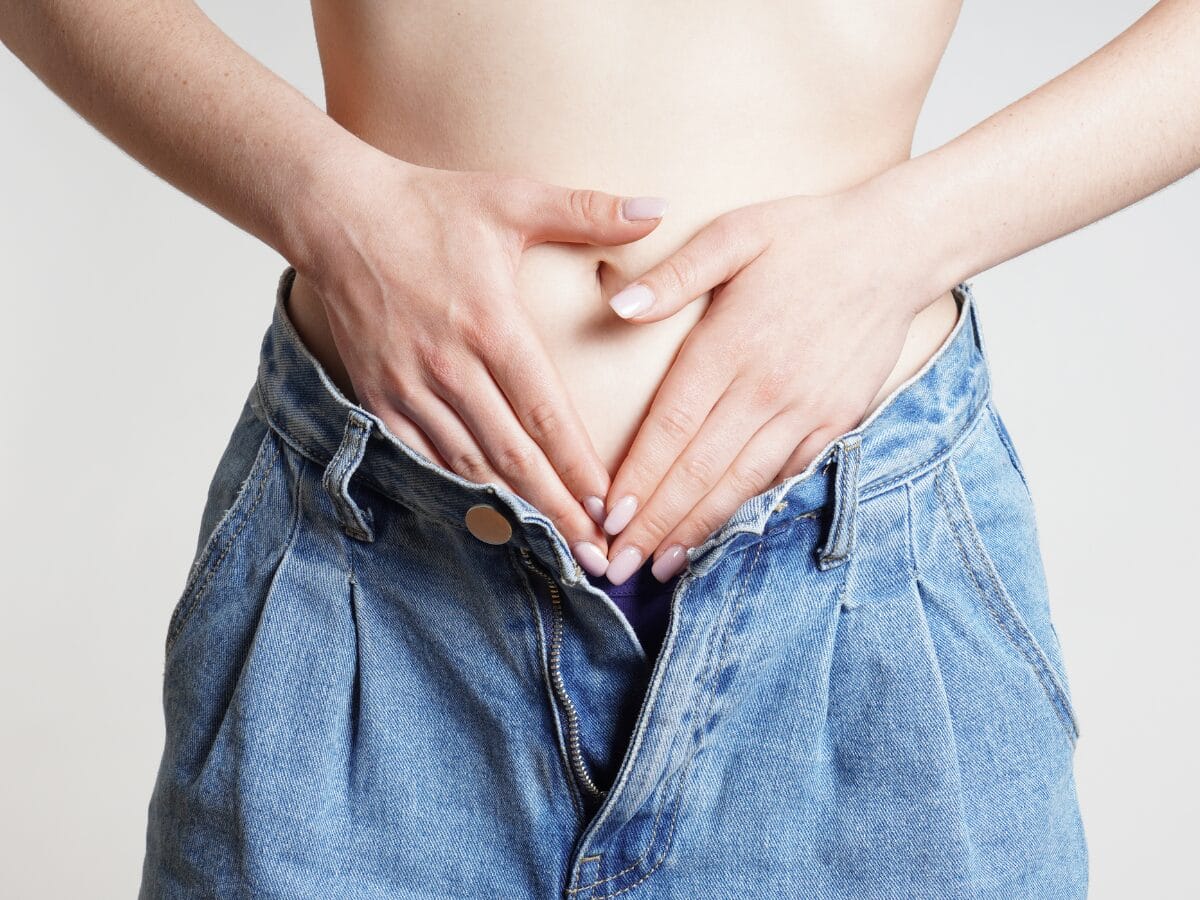
This is why so many people ask me whether AG1 causes bloating, gas, stomach issues, or even symptoms that feel IBS-like in my experience. Inulin is very often the reason, especially for anyone whose gut is already sensitive.

There’s plenty written online about inulin’s health properties, and much of it is genuinely true. But it’s important to run any new supplement past your nutritionist (or reach out to us directly if you’re an EBS member) to make sure it’s actually right for your specific gut and health needs.

AG1’s own marketing states, “AG1 empowers the gut for whole body health.” I have to disagree. Soy lecithin disempowers your gut and raises your disease risk. Where I do agree with them is this: you can’t achieve a healthier everything else without a healthy gut first.

Does AG1 Affect Your Liver?

This is one of the questions I get asked most, so I want to answer it honestly rather than alarmingly. I haven’t seen credible, independent research directly linking AG1 to liver damage, and the brand doesn’t publish liver-specific safety data of its own, which, going back to my earlier point, is exactly the problem with an unregulated industry.

That said, your liver is the organ responsible for processing everything you take, including all 75 ingredients in a formula like this at once. The inulin content alone has been shown in animal studies to affect liver function (Pauly et al., 2020), and if you’re also taking other supplements or medications your liver is already processing, that concentrated load can add up.

If you have an existing liver condition or you’re taking medication that’s metabolized by the liver, it’s genuinely worth reviewing AG1’s full ingredient list with your doctor before starting it.

Does AG1 Affect Thyroid Health?

I understand why this question comes up so often, especially among people already managing a thyroid condition. AG1 doesn’t publish thyroid-specific research, and I haven’t seen credible independent studies linking it directly to thyroid dysfunction.

What I would say is this: any formula combining dozens of vitamins, minerals, and herbal adaptogens has the potential to interact with thyroid medication or existing thyroid sensitivities, simply because of the sheer number of active ingredients involved. 

If you’re on thyroid medication or managing a thyroid condition, it’s worth going through AG1’s ingredient list with your doctor or nutritionist before adding it in, rather than assuming a “wellness” label means it’s automatically safe for your specific situation.

Can AG1 Cause Headaches?

Some people do report that AG1 can cause headaches when they first start AG1, and there are a few plausible explanations, even without AG1-specific research to point to directly. Introducing a concentrated blend of vitamins, minerals, and adaptogens all at once can trigger a short-term adjustment reaction in sensitive people, sometimes described as a “detox” response. Dehydration, a shift in blood sugar, or a sensitivity to one of the herbal ingredients could also be contributing factors. If headaches persist beyond the first week or two, I’d stop and speak to your healthcare provider rather than pushing through it.

Beware of Marketing Words!

They could cost you your health. Here’s what I want you to take away from all of this:

  • The FDA does not regulate supplement companies or their products.
  • Marketing slogans exist for one purpose: to make you buy the product.
  • Always read the full ingredients list on any supplement, and talk to your healthcare practitioner (or us, if you’re an EBS member) before starting one.
  • Even supplements endorsed by doctors and celebrities can leave your body more vulnerable to disease if they contain the wrong ingredients for you.

If you haven’t listened to my podcasts or caught the recent Instagram Live with Dr. Dawn Sherling about the dangers of food additives, I’d genuinely recommend both.

AG1 or Eat Burn Sleep: Which Is the Better Investment for Your Health?

It’s worth thinking about what it might cost you, long-term, to make yourself less healthy rather than more. For reference:

  • AG1’s “Best Value” package for two people runs £2,328.00 (approximately $2,796.70) a year.
  • A single subscription, at the time of writing, offered at £79 per month, comes to £948.00 (approximately $1,140) a year for one “health” supplement.
  • Our Premium EBS Membership gives you access to everything you need to support your health for just £270 a year, without the ingredient risks or the long-term question marks.

Understanding what’s genuinely good for you, and how your own body works, is the best form of self-care there is, and that’s exactly what the EBS platform is built to give you.

A year’s EBS subscription gives you the knowledge and tools you’d otherwise need a personal nutritionist and a year of gym sessions to piece together, plus exercises you won’t find anywhere else. You get access to movement videos, guided meditations, meal plans, food lists, and an ever-expanding anti-inflammatory cookbook with recipes from around the world, such as Catalan roasted vegetables, Chicken Marbella, Moroccan Burgers, and plenty more.

EBS is built to work for families and for people anywhere in the world. Our members get happier and healthier over time, retrain their taste buds, and optimize their microbiome, living a genuinely better life as the months and years go on.

Here’s what Dr. Sara Fernandez, MD, had to say:

“I am really impressed with the quality of your work and couldn’t agree more with your principles. Your ability to formulate a lifestyle strategy around improving health is outstanding. EBS is an excellent professional platform sustained with thorough research and scientific information. You not only cover research for anti-inflammatory nutrition but also for all medical conditions. This demonstrates how what we eat contributes to their regression or progression as chronic illness.”

So, is ag1 good for your liver? In my honest opinion, once you look past the marketing and into the actual ingredient list, it isn’t the health investment it’s positioned to be. Do take care of your health, it’s really precious. Have a great day!

AG1 FAQs 

Does AG1 contain soy? 

Yes, soy lecithin is the second-largest ingredient in the formula, added as an emulsifier rather than for any health benefit.

Is AG1 FDA approved? 

No. No dietary supplement is FDA-approved, and the FDA doesn’t certify the safety of AG1 or any of its ingredients.

Does AG1 contain lead or other heavy metals? 

Greens powders, as a category, including AG1, have faced public scrutiny and legal claims over trace heavy metals like lead. AG1 states its levels fall within safety thresholds, but if this concerns you, I’d look at the brand’s own published testing data directly and discuss it with your healthcare provider, especially if you’re pregnant, nursing, or giving it to a child.

Does AG1 have omega 3 or fish oil? 

Not as a core part of the base formula AG1 sells a separate omega-3 product alongside its greens blend, so check the specific product you’re buying rather than assuming it’s included.

Can you drink ag1 at night? 

There’s nothing in the formula that’s inherently stimulating, so timing mostly comes down to personal digestion. If inulin tends to cause you bloating, I’d avoid taking it right before bed.

Is AG1 a meal replacement? 

No. It’s marketed as a foundational supplement, not a source of meaningful calories, protein, or the full nutrition a real meal provides.

Does AG1 make you gain weight?

Unlikely on its own, given the low calorie content, but if it’s triggering bloating or digestive upset for you, that can feel like weight gain even when it isn’t.

Posted on Leave a comment

Is Stress Always Bad For Your Health?

stress

When you hear the word “stress” do you think it’s good or bad? I believe most people think of stress as bad. And this makes sense, given that we talk about feeling stressed when we’re tense, angry, and frustrated. But what a lot of people don’t know is that there are different types of stress. So, is stress always bad for your health or are there some benefits?

Good Stress Vs. Bad Stress

It was Dr Hans Selye who first identified the negative effects of bad stress on the body. He identified 3 distinct stages of stress (Tan and Yip, 2018):

1. The alarm stage: Your initial response to a stressful situation.

2. Resistance phase: Your body attempts to adapt to being under stress by maintaining elevated levels of stress hormones.

3. Exhaustion: You exceed your capacity to cope with the stress and reach burnout.

Many of the clients I see for executive nutrition coaching are in the resistance phase or the exhaustion phase. They have been under a great deal of negative stress for a long time and simply don’t have the resources to keep going anymore.

However, at the other end of the scale is eustress or good stress. This is the kind of short-term stress that provides a sense of achievement, growth, or fulfillment.

Eustress is the buzz you get when you achieve something significant and challenging like completing a new work project or mastering a new skill. Regular bouts of positive stress keep you alert, motivated, and interested in life.

woman at top of mountain

Stress, Immunity, and Inflammation

Stress hormones like cortisol interact with your immune system and inflammatory processes.

In the short term, positive stress can help to keep your immune system working efficiently. The “fight or flight” response that kicks in when we encounter stress is designed to help us survive. Small amounts of short-term stress prime the immune response and help you fight invading pathogens effectively (Dhabhar, 2014). And the little bit of oxidative stress that occurs during this response is dealt with before it causes too much inflammatory damage.

Problems arise when stress becomes negative and long-lasting. Scientists estimate that 75-90% of human diseases are linked to stress, with stress-induced inflammation being the root cause of many of these conditions (Liu, 2017).

Chronic stress can increase your risk of:


What Turns Good Stress Into Bad Stress?

We all respond to stress differently and have a unique capacity to cope. What feels like negative stress for one person may be a positive thrill for another, and vice versa.

In general, though, good stress starts to become harmful when it is prolonged and you don’t give yourself the right resources to cope with it. The resources we need to manage long-term stress are rest, good quality sleep, regular daily movement, relaxation, and of course, the right kinds of foods.

woman doing exercise

How to Stop Bad Stress From Ruining Your Health

If you’re dealing with ongoing stress, it is important to pay attention to these resources.

Here on the EBS platform, we have all the resources you need to prevent the negative effects of stress:

  • Movement videos help you stay fit, strong, and active without intensely stressing your body.
  • Guided meditations to help you relax, rest, and get a good night’s sleep.
  • Health Masterclasses that offer support for specific conditions.
  • Videos explaining key health concepts and nutrition trends.
  • Meal plans, food lists, and recipes are designed to nourish your energy levels, mental well-being, hormone health, and resilience to stress.

woman preparing a meal in the kitchen

Following a holistic anti-inflammatory lifestyle like the Eat Burn Sleep approach is the best option for building resilience to stress. Our members see fantastic results with their health and feel empowered by the wealth of information available on the platform.

This is what EBS Member Mahget has to say:

I follow your EBS platform, and if anyone is undecided, jump in.

Just do it.

I read all labels now, and when you think something is too good to be true, it usually is, especially when the ingredients list ends with emulsifiers, gums, and all the things that cause inflammation. We tend to trust people in white coats or athletes, but clearly, they are being paid to support something that is not good for us.

The Eat Burn Sleep platform educates us on what is good and what is not.

Thank you, Yalda, your EBS approach is spot on.


Don’t let the negative effects of bad stress destroy your health. Explore our membership options here and discover how to create the diet and lifestyle you need to stay strong and resilient.

Find out more about the benefits of the EBS lifestyle approach in these podcast episodes and articles:

Podcast – Using Sounds to Calm Your Mind

Podcast – Unstressable

Depression, Anxiety, and Gut Health

Does Cortisol Cause Weight Gain?


With love,

Yalda x


Posted on Leave a comment

Irritable Bowel Syndrome Self-Care Diet That Works

ibs

Quick Answer: An Irritable Bowel Syndrome self-care diet focuses on reducing digestive symptoms by combining anti-inflammatory, nutrient-rich foods with healthy lifestyle habits. Supporting gut health, managing stress, getting enough sleep, staying active, and identifying personal food triggers can help reduce IBS flare-ups and improve long-term digestive health.

If you’re one of the millions of people who deal with Irritable Bowel Syndrome, I want you to know something first: I’ve been exactly where you are. This common condition affects 5-10% of the world’s population, with women more commonly affected than men, and for a long time I felt like I was the only one googling “why does my stomach hate me” at 2 am. 

There’s a vast amount of diet advice out there for IBS, but honestly, most of it isn’t backed by real science. So let me walk you through what I actually did, and what the best Irritable Bowel Syndrome self-care diet looks like when it’s built on evidence instead of guesswork.

What is Irritable Bowel Syndrome?

What is Irritable Bowel Syndrome

Irritable Bowel Syndrome (IBS) is a common digestive condition that affects the small and large intestines (colon). It doesn’t damage the intestines permanently, but it can cause ongoing digestive discomfort that interferes with daily life. Common symptoms include:

  • Abdominal pain or cramping: Often relieved after a bowel movement but may return regularly.
  • Bloating: A feeling of fullness or swelling in the abdomen that can worsen throughout the day.
  • Alternating constipation and diarrhea: Many people experience changing bowel habits, switching between constipation, diarrhea, or both.
  • Excess gas: Increased gas production can lead to discomfort, bloating, and frequent flatulence.
  • Noisy stomach (borborygmus): Loud rumbling or gurgling sounds caused by the movement of gas and fluids through the intestines.

IBS symptoms can vary from person to person and often fluctuate over time. Identifying your triggers and following a healthy lifestyle can help reduce flare-ups and improve your quality of life.

There are 3 categories of IBS depending on what your bowel movements look like when symptoms flare up:

  • IBS-D is characterized by predominantly soft, watery stools and diarrhea.
  • IBS-C causes constipation and dry stools that are harder to pass.
  • IBS-M is a mixture of both constipation and diarrhea.

What Causes IBS?

Most of us dealing with IBS have a whole combination of triggers, not just one. Mine ranged from stress and processed food to poor sleep, anxiety, food intolerances, and PMS. Some people (maybe you too) developed IBS after a bout of food poisoning or a gut infection.

Here’s the one thread connecting all of these triggers: they all disturb the balance and diversity of the gut microbiome.

The billions of microbes making up your gut microbiome are responsible for digestive health, bowel regularity, immune health, managing inflammation, and even supporting your mental well-being. Your gut hosts around 70% of your immune cells and produces 60% of your neurotransmitters. 

These gut bugs matter more than we give them credit for. When gut microbiome balance is disrupted, it can trigger inflammation and the exact IBS symptoms I just listed above (Menees et al, 2018).

The IBS Flare-Up Triggers I Learned to Watch For

This is the part nobody told me early on: figuring out your personal IBS flare-up triggers is half the battle. For me, it wasn’t one single food or one bad day; it was a pattern I only noticed once I started paying attention. Poor sleep the night before, a stressful morning, and a heavy processed meal would stack on top of each other, and that’s when my symptoms hit hardest.

If you’re just starting to untangle your own triggers, a simple food and symptom journal can be genuinely eye-opening. Write down what you ate, how you slept, your stress levels, and how your gut responded. Patterns show up faster than you’d expect, and once you can name your triggers, you can actually plan around them instead of just reacting to flare-ups after the fact.

One thing that also helped me was realizing that IBS triggers rarely happen in isolation. It’s often the combination of food choices, stress, poor sleep, dehydration, hormonal changes, and a lack of movement that pushes the gut past its comfort zone. 

By making small, consistent lifestyle changes and addressing these factors together, you can often reduce the frequency and severity of flare-ups while gaining more confidence in managing your symptoms. 

What Else Might Be Causing These Symptoms?

The symptoms of IBS are similar to many other bowel conditions; IBS can also occur in other medical conditions. Before assuming you have IBS, it’s important to speak with your healthcare provider to rule out other possible causes.

  • Inflammatory Bowel Disease (IBD): Conditions such as Crohn’s disease and ulcerative colitis can cause abdominal pain, diarrhea, weight loss, and intestinal inflammation.
  • Diverticulitis: Inflammation or infection of small pouches in the colon can lead to severe abdominal pain, fever, and changes in bowel habits.
  • Celiac Disease: An autoimmune condition triggered by gluten that damages the small intestine and may cause bloating, diarrhea, fatigue, and nutrient deficiencies.
  • Bowel or ovarian cancer: Persistent digestive symptoms, unexplained weight loss, bleeding, or ongoing abdominal pain should always be assessed to rule out more serious conditions.
  • Polycystic Ovary Syndrome (PCOS): Hormonal changes associated with PCOS can sometimes contribute to bloating, abdominal discomfort, and digestive complaints.
  • Parasitic infections: Certain parasites can cause diarrhea, stomach cramps, bloating, nausea, and other symptoms that may resemble IBS.

Because these conditions can share similar symptoms, obtaining an accurate diagnosis is essential before starting any long-term treatment or dietary changes.

Why is an Anti-Inflammatory Diet Important for IBS?

Why is an Anti-Inflammatory Diet Important for IBS

IBS isn’t technically classed as an inflammatory bowel disorder, but research shows that low-grade inflammation plays a real role in the development and progression of the condition (Ng et al, 2018).

So where does that inflammation actually come from? As I mentioned earlier, your gut microbiome plays a huge role in regulating inflammation, both in your digestive system and throughout your whole body. When your gut microbes are thrown off by stress, infection, poor diet, or chronic lack of sleep, inflammation follows. That’s why the diet that actually helped me is one that:

  • Reduces inflammation
  • Contains the nutrients you need to manage stress and support mental well-being
  • Supports a healthy, balanced gut microbiome

My Go-To Anti-Inflammatory Foods for IBS

Once I understood why inflammation mattered, choosing anti-inflammatory foods for IBS became so much less overwhelming. I stopped chasing every trendy “gut health” product and focused on a few staples instead: cooked leafy greens, oily fish, olive oil, ginger, and gentle fermented foods that my gut actually tolerated well.

During some of my most difficult flare-ups, I also explored a low FODMAP approach, desperately searching for anything that might quiet the storm in my gut. While many find relief there, it simply wasn’t the answer for me. That journey taught me that cutting out specific foods is only one piece of the puzzle. The real breakthrough came when I shifted toward an anti-inflammatory lifestyle that nurtures the entire gut ecosystem. This is the heart of why I created the Eat Burn Sleep lifestyle.It’s about lowering inflammation and supporting your microbiome for sustainable, lifelong health, moving beyond the limits of restrictive elimination diets.

The Best Irritable Bowel Syndrome Self-Care Diet

If you’re feeling overwhelmed by all the nutrition advice out there for IBS and gut health, I get it; I was there too. That’s honestly why I built my life around the Eat Burn Sleep program. The Eat Burn Sleep anti-inflammatory lifestyle is the safe, natural, long-term, 360-degree approach I wish I’d found years earlier for managing Irritable Bowel Syndrome Self-Care Diet.

The program comes with extensive food lists, meal plans, and recipes built around anti-inflammatory foods, the same kind that support healthy gut function and help your body build resilience to stress.

Our Movement videos help you stay active and strong without piling extra stress onto your body, because let’s be real, stress is one of the biggest IBS triggers, and pushing yourself too hard in workouts can backfire.

And if anxiety or poor sleep have been making your IBS worse (mine definitely did), our Meditation Guides are designed to support relaxation and deep, restorative sleep. Your gut does a lot of its repair and “housekeeping” work while you sleep, so real rest isn’t optional here; it’s part of the treatment.

Still unsure if EBS can help you the way it helped me? Here’s what our member Pina had to say:

The IBS and Digestive Issues Masterclass was amazing. Great information on what to avoid during flare-ups. The sugar and fiber were an eye-opener for me. This is why I always renew my membership!

And Naouel no longer deals with stomach aches and bloating:

I used to have stomach aches after each meal, and I no longer have these. I lost 16kg in one year with no feeling of being hungry or frustrated, and I have no more bloating. I move, work, socialize, and face problems with no effect on my health whatsoever.

I have not taken painkillers or pills since I have been following the EBS lifestyle. An amazing life change!

If you want results like these for yourself, check out what’s on offer in our membership options here, and let’s say goodbye to IBS for good, together.

You might also enjoy these Videos and articles:

FAQs

Q1. What is the best Irritable Bowel Syndrome self-care diet?

The best Irritable Bowel Syndrome self-care diet emphasizes whole, minimally processed foods, supports gut health, and avoids personal trigger foods. Combined with stress management and healthy lifestyle habits, it can help reduce IBS symptoms.

Q2. What foods should I avoid with IBS?

Many people find that ultra-processed foods, fatty meals, excessive sugar, alcohol, and foods that trigger their individual symptoms can worsen IBS. Keeping a food and symptom diary can help identify your personal triggers.

Q3. Can lifestyle changes improve Irritable Bowel Syndrome?

Yes. Regular exercise, quality sleep, stress management, staying hydrated, and following a balanced, anti-inflammatory diet can help reduce flare-ups and support better digestive health alongside any treatment recommended by your healthcare provider.

Posted on Leave a comment

Does Cortisol Cause Weight Gain?

cortisol weight gain

You’ve probably heard of cortisol, the main stress hormone, but do you know how it affects your body? This powerful chemical messenger influences everything from digestion and mental health to sleep and immunity. But does cortisol cause weight gain? And how can you best manage this?

What Cortisol Does to Your Body

Cortisol is released from your adrenal glands whenever you are under stress. The stress we encounter nowadays is very different from what we experienced millions of years ago. Back then, it was woolly mammoths and saber-toothed tigers giving us stress! Now, we feel stressed out by busy traffic, credit card debt, and an overflowing inbox.

However, the effect of stress on the body is the same. Your adrenal glands release adrenaline and cortisol, and you move into the “fight, flight, or freeze” response, which is part of the sympathetic nervous system.

Cortisol has several main actions:

  • Raises blood sugar levels by breaking down sugar stores in the liver and muscles.
  • Breaks down fatty acids and proteins for energy.
  • Raises blood pressure.
  • Diverts blood away from the digestive system so that more blood and oxygen are available to large muscles in the limbs to help you fight or flee from the source of stress.


In the short term, these actions help you deal with an immediate danger. However, modern forms of stress are chronic and not easily dealt with. Instead, your body remains in a state of near-permanent fight or flight, with chronically elevated cortisol levels.


Does Cortisol Cause Weight Gain?

One of the key signs of dysregulated cortisol levels is weight gain around the belly area. This is because cortisol promotes the growth and differentiation of fat cells. Visceral fat cells that lie deep within your abdominal cavity are much more sensitive to cortisol than fat cells that lie just beneath the skin (Duclos et al, 2012). So, higher cortisol levels encourage the fat cells in your belly and abdomen to grow much larger.

Chronically elevated cortisol also interferes with the delicate balance of thyroid hormone activity. Thyroid hormones regulate your metabolism and play an important role in weight management. Thyroid dysregulation can lead to weight gain and difficulty losing weight.

Signs and Symptoms of High Cortisol

Some of the common signs of chronically elevated cortisol include:

Weight gain around the belly area.

Fatigue.

Difficulty falling asleep or staying asleep.

Lowered immune response.

Gut problems like Irritable Bowel Syndrome, bloating, indigestion, wind, constipation, and diarrhea.

Headaches and migraine.

High blood pressure (hypertension).

Muscle tension.

Brain fog, poor memory, and poor concentration.


How To Get Rid of Cortisol Weight Gain

To get rid of cortisol-induced weight gain, you need to work on your diet and lifestyle. Just changing your diet alone will not be enough if you continue to feel stressed by work, family, finances, or other factors. You probably can’t make these problems disappear – most of us have to live with a certain degree of stress! – but you can change how you respond to them.

The Eat Burn Sleep program will help you build resilience to stress and achieve a healthy weight balance.

The meal plans, recipes, and food lists are designed to support blood sugar regulation and hormone health. These foods help you avoid blood sugar crashes (another form of stress!) and provide a balance of protein, fat, and the right kinds of carbohydrate to keep you energized between meals.

Our meditation guides for morning and night help you switch from the sympathetic nervous system into the parasympathetic response. This side of your nervous system promotes healing and repair and the release of calming mood chemicals.

Plus, our workout sessions help you stay strong and flexible without stressing your system and triggering more cortisol. It is important to keep active but exercising too intensely is another form of stress that must be avoided.


This is what EBS member Sharon has to say about our program:

I feel the best in years, with a flat tummy and much less with bloating. I try to follow the program as much as possible and when socializing, I enjoy a few treats, then get back on the green food list.

I’m slimmer around my middle and have a lot of energy. My joints feel so much better. I can tell I have less inflammation in my body.

The workouts are great, and because they are short, I can always fit them into my day.

I will be subscribing for another year in May, thanks Yalda for all your work, in helping yourself, you are now helping so many people.


Would you like to experience the same benefits as Sharon?

Now is the time to take control of stress, lose weight, and strengthen your resilience. Check out what’s on offer in our membership options here and begin your journey to optimum health.


You might also like to tune into these podcast episodes:

Using Sounds to Calm Your Mind

Unstressable


And dive into these articles:

Heart Health: Do You Have a Heart Healthy Lifestyle?

Depression, Anxiety, and Gut Health


Wishing you peace and calm,

Yalda x


Posted on Leave a comment

Can Diet Help Relieve Hay Fever?

hayfever sun

Spring is here which means seasonal allergies are too! Tree, grass, and weed pollen make life miserable for millions of hay fever sufferers every year, causing sneezing fits, sore throats, and stuffy noses. Antihistamine drugs may help but often have side effects like drowsiness. But what about food? Can diet help relieve hay fever?


What Is Hay Fever?

Hay fever, or seasonal allergic rhinitis as it is officially known, occurs when your immune system reacts to pollen from grasses, trees, flowers, and weeds.

The pollen irritates the lining of your nose, eyes, and throat, causing immune cells to release histamine and other inflammatory chemicals. This leads to itching, swelling, and irritation.

Typical hay fever symptoms include:

    • Sore throat.
    • Tickly cough.
    • Runny or blocked, stuffy nose.
    • Itchy, watery eyes.
    • Sneezing.
    • Headache.
    • Mucous in your throat.


When Is Hay Fever Season?

Hay fever season starts in late Winter / early Spring when the tree pollens appear. This is soon followed by grasses in late Spring and early Summer and weed pollen in Fall. Spring and Fall are often peak seasons for seasonal allergic rhinitis, although pollen levels vary according to your location and climate.


Who Is Prone to Hay Fever?

Anyone of any age can suffer from hay fever. Some people grow out of their childhood hay fever and no longer experience any symptoms as an adult. Others develop it for the first time in their twenties or thirties, or even later. Many women start with seasonal allergic rhinitis and other allergies during menopause when hormone changes affect immune and gut health.


How Long Does Hay Fever Last?

This varies from person to person. If you are only sensitive to one type of pollen, your symptoms will subside when that pollen level drops. If you are sensitive to several types of pollen your symptoms can potentially last from late Winter through to Fall.


Why Is My Hay Fever So Bad All of a Sudden?

There are several reasons why seasonal allergies can suddenly get worse.

Stress has a major impact on immune health. If you are under a lot of stress, your immune system may not work as effectively.

Illness and infection can affect the membranes lining your nose and throat and leave you more sensitive to pollen.

Location change. If you’ve moved to a different city or even a different part of the same city, the pollen levels may be higher than where you lived before.

Air pollution from traffic fumes can make hay fever worse for some sufferers.

Weather patterns affect pollen levels. A mild winter followed by a cool spring and a sudden burst of warmth in early summer can trigger a pollen burst that can worsen symptoms.


Can Diet Help Relieve Hay Fever?

Yes! Adopting an anti-inflammatory diet and lifestyle can be hugely beneficial for managing seasonal allergic rhinitis. The clue here is in the name of the condition. The word “rhinitis” translates as “inflammation of the nose,” meaning the membranes lining the nose are inflamed.

The Eat Burn Sleep anti-inflammatory diet and lifestyle program minimises inflammation by supporting gut and immune health. These two systems are intrinsically linked because so much of your immune system resides in the gut.

Alongside these immune cells, your gut microbiome is also hard at work supporting immunity. It helps to regulate immune responses and inflammation and communicates with other microbiomes in the body, such as the oral and nasal microbiomes.

Research shows that people with allergic rhinitis have an altered microbiome in the nasal passages which may be associated with inflammation (Chen et al, 2022). As we can’t micromanage individual bacteria within a microbiome, it’s important to create the right environment for beneficial species to thrive. Following an anti-inflammatory diet and lifestyle is the ideal way to do this. I suggest the 6-Week Reset as the place to start – it has all the meal plans, food lists, and guidance you need to begin your anti-inflammatory journey.


Here’s what EBS Member Eleonora has to say about the program:

I’m in the sixth week of the Six Week Reset and I cannot thank Yalda enough for the EBS lifestyle. During the last two years, I’ve struggled a lot with various issues like bloating, being overweight, psoriasis, thyroid malfunction, and acne, but now I’ve found the lifestyle that is the answer to all my problems.

I finally started losing weight, changing my body composition, feeling energetic all day long, less bloated, fewer cravings in my PMS phase, and still counting the benefits!

This lifestyle completely switched my body and my mind, and I cannot live without all the specialized advice I can find on the EBS platform anymore. Again, thanks Yalda for your great work!

Want to know more about Eat Burn Sleep? You can take a sneak peek around the platform here and check out our membership options here.


And you might also like to read:

The Anti-inflammatory Diet and Lifestyle

Does Sleep Help With Inflammation?

What is Gut Health?


Here’s to a happy and healthy hay fever season,

Yalda x

Posted on Leave a comment

Habit Stacking: The Key to Making Your Health Habits

habits 2

Quick Answer: Habit stacking is a simple, science-backed technique that helps you build lasting healthy habits by attaching a new behavior to an existing daily routine. Instead of relying on motivation or willpower alone, habit stacking uses routines you already perform automatically, making it easier to stay consistent and create long-term lifestyle changes.

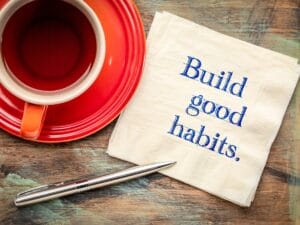
Have you heard of habit stacking? It’s a simple yet powerful method of building healthier routines by attaching a new habit to one you already do every day. Instead of trying to change your lifestyle overnight, you make small, manageable improvements that gradually become part of your daily routine.

Whether your goal is to eat healthier, exercise more, improve your sleep, drink more water, or manage stress, habit stacking helps make these changes feel natural rather than overwhelming. By linking new habits to established routines, you’re more likely to stay consistent and turn positive actions into lasting behaviors.

In this guide, you’ll learn what habit stacking is, why it works, the science behind the technique, its health benefits, and practical examples you can start using today to create sustainable habits that support your long-term health and well-being.

What Is Habit Stacking?

Habit stacking, sometimes called habit chaining, is a simple technique where you attach a brand-new habit to an existing one, so the old habit acts as a built-in reminder for the new one. Rather than relying purely on willpower or memory, you’re borrowing the momentum of something you already do automatically.

The habit stacking definition, or habit stacking meaning if you’re looking at it that way, really comes down to this: instead of trying to build a new habit from scratch, you link it to a routine your brain has already wired in. That’s what makes it such an effective habit stacking technique for anyone who’s struggled to make changes stick before.

The beauty of habit stacking is its simplicity. Small actions repeated consistently are far more effective than making drastic changes that are difficult to maintain. Over time, these stacked habits become part of your daily routine, helping you create lasting improvements in your health, productivity, and overall well-being. 

What Are the Benefits of Habit Stacking?

Habit stacking makes it easier to build healthy routines by connecting a new habit to one you already do every day. Instead of trying to change everything at once, you make small, manageable improvements that are easier to maintain over time.

  • Creates lasting healthy habits: By linking new behaviors to existing routines, habit stacking makes it easier to stay consistent and turn healthy actions into daily habits.
  • Makes change feel manageable: Rather than overhauling your lifestyle overnight, you focus on one small habit at a time, reducing stress and increasing your chances of success.
  • Supports long-term behavior change: Popularized by S.J. Scott in Habit Stacking: 97 Small Life Changes That Take Five Minutes or Less, this method is designed to help healthy habits become automatic over time.
  • Recommended by health experts: Habit stacking is widely recognized by health organizations, including the American Heart Association and the American Institute for Cancer Research, as a practical way to encourage sustainable lifestyle changes.
  • Helps you stay consistent: Attaching a new habit to an existing routine such as stretching after brushing your teeth or drinking water before your morning coffee makes it easier to remember and repeat.
  • Reduces overwhelm: Trying to change too many habits at once can be discouraging. Habit stacking encourages gradual progress, helping you build confidence with each small success.

Small, consistent actions performed every day often lead to the biggest improvements in your health over the long term.

How Do I Start?

First, make a list of every change you’d like to make to your diet and lifestyle. Get it all down on paper, big ideas and small ones, then highlight the ones that feel most realistic for you right now.

For example, you might want to improve your flexibility by doing a 45-minute yoga class every day, but realistically, that doesn’t fit into your schedule. Instead, you could commit to doing five minutes of stretching every morning after brushing your teeth. It’s far more achievable, and because it’s attached to an existing habit, you’re much more likely to stick with it.

Once your ideas are organized, decide which one is your top priority. That’s the first habit you’ll stack.

There are 3 ways to habit stack:

  • Pairing: add a new habit onto a fun activity you already do. If you’re planning to meditate more, you could listen to a guided meditation while enjoying your morning coffee.
  • Make a chain link your new habit to something you repeatedly do. Want to drink more water daily? Keep a small glass by your kitchen sink and top yourself up every time you wash your hands.
  • Sequence: add your new habit into an established sequence of events. Think about the small routines you already run through daily, like showering, cleaning your teeth, and getting dressed, or coming home from work, changing, and having a snack.

Add your new habit into one of these routines. For example, if you’ve got a new vitamin to take, keep the bottle next to your toothbrush and take it while you clean your teeth. Need to fit a stretch routine in? Keep your yoga mat by your after-work clothes, and stretch before your snack.

What Is the Evidence for Habit Stacking?

What Is the Evidence for Habit Stacking

Scientists have known for decades about the genuine benefits of habit formation for driving health change (Gardner et al, 2012). This is real habit stacking evidence. Habit formation research relies on making small, consistent changes linked to external cues, like other habits or behaviors, which lets your brain quickly form new connections in the areas tied to learning and behavior.

This plays out in the research too. One study compared a control group against participants given simple diet and activity suggestions for weight loss. The group with the new habit suggestions lost an average of 2kg over 8 weeks, compared to just 0.4kg in the control group (Lally et al, 2008). That’s the kind of habit stacking research evidence that genuinely backs this up, not just anecdote.

Here’s a quick habit stacking example to bring it to life: someone wanting to build a daily gratitude practice might stack it onto brushing their teeth each morning, simply thinking of one thing they’re grateful for while they brush. Small, attached, and far more likely to stick than a habit floating on its own.

Habit Stacking and the Eat Burn Sleep Lifestyle

Habit Stacking and the Eat Burn Sleep Lifestyle

The Eat Burn Sleep approach is genuinely perfect for habit stacking. Each part of the program comes with meal plans and food lists, plus recipes, guided meditations, movement videos, and health masterclasses.

It’s designed with busy people in mind, because I know only too well what it’s like juggling work, family, and health issues. Too often, our health is the thing that quietly suffers, and I don’t want that to happen to you.

Here are some of the genuinely incredible, life-changing results our Eat Burn Sleep members enjoy:

“I have been following the EBS lifestyle and wanted to thank you for all your work in creating this program. It has been life-changing for me. I have ulcerative colitis, and I have never gone this long without a flare-up. I also traveled to America at the end of last month and, for the first time in 5 months, managed to travel without any bleeding. My other half has been following along with me, and he has lost almost 2 stone in under 7 weeks. I can’t believe the improvements in my energy, sleep, and skin.” Claire

Start making your healthy habit ideas a reality today. Check out our membership options here, and begin your journey to optimum health.

You might also like to tune into these podcast episodes: Mindset Tips for Long-Term Health, Finding Self-Love.

And enjoy these articles: Financial Wellness with The Dura Society, A Compilation of 5 Incredibly Nutritious Healthy Food Items.

Happy habit stacking!

Yalda x

Q1. What is habit stacking?

Habit stacking is a behavior-change technique that involves linking a new habit to an existing daily routine. By attaching a new action to something you already do automatically, it’s easier to remember and maintain healthy habits over time.

Q2. Why is habit stacking effective?

Habit stacking works because it reduces the need for willpower and uses your existing routines as reminders. This makes it easier to stay consistent, build positive habits, and create lasting lifestyle changes.

Q3. How can I start habit stacking?

Start by choosing one small habit and pair it with an established routine. For example, drink a glass of water after brushing your teeth, stretch after your morning coffee, or take a short walk after lunch. Keeping the new habit simple and repeating it daily increases the chances of long-term success.

Posted on Leave a comment

How Does Sleep Help With Inflammation?

sleep and inflammation

Are you sleeping well? This is a question I ask my executive coaching clients, and the answer is frequently no! Modern life is full of things that disrupt sleep. Eating ultra-processed foods, scrolling social media, late-night Netflix, lack of exercise –  it’s little wonder that people are struggling to sleep. And yet sleep is critical to health especially if you are dealing with an inflammatory condition. So, how does sleep help with inflammation?


Sleep and Inflammation

Your body does a great deal of cellular repair work while you sleep. If you don’t get enough sleep, this healing work is compromised.

There are 4 stages of sleep in each sleep cycle, and we go through several cycles each night.

Stage 1 is the first stage of non-REM (Rapid Eye Movement) sleep. It is a light sleep that lasts a few minutes as the body and brain start to relax and wind down.

Stage 2 is the next phase of non-REM sleep during which our core temperature drops, muscles relax, and heart rate and breathing slow down.

Stage 3 is deep non-REM sleep. This is the deep, restorative sleep that allows the body and mind to heal, repair, restore energy, and consolidate memories. This is the most important stage of sleep for optimum health and managing inflammation.

Stage 4 is REM sleep. Brain activity picks up and we may experience vivid dreams. REM sleep is thought to be essential for healthy brain function and processing information.

sleep and inflammation 2 300x225

Studies show that sleep loss and disrupted sleep lead to raised levels of inflammatory mediators (Dzierzewski et al, 2020) which are linked to the development of chronic conditions and metabolic disorders like Type II diabetes and cardiovascular disease (Mullington et al, 2010).

In turn, the pain and discomfort of chronic inflammatory disorders can interrupt healthy sleep patterns, leading to a negative spiral of poor sleep and further inflammation.

Chronic low-grade inflammation is an underlying factor in so many conditions. From obesity and weight gain to depression, fertility problems, and thyroid issues, tackling inflammation is the secret to optimum health and vitality.


Sleep and Gut Health

At Eat Burn Sleep we recognise just how important gut health is for overall health and wellbeing. Your gut microbiome influences almost every aspect of disease and constantly communicates with your brain and immune system.

Messenger molecules produced by gut microbes help to regulate your sleep-wake cycle, the internal 24-hour clock that determines when you are asleep or awake. If the balance of microbes in the gut is disturbed – we call this microbiome dysregulation – it can interfere with healthy sleep patterns and promote a state of inflammation.

These microbes also produce some of the neurotransmitters that help you sleep. For example, over 90% of serotonin is produced in the gut and it is serotonin that converts to melatonin, the sleep hormone.

GABA (gamma amino butyric acid) is another important hormone. It has a calming effect in the central nervous system helping you wind down and relax. If the microbiome is out of balance, it struggles to produce enough of these vital neurotransmitters.

sleep and inflammation 3 300x225

Nutrition and Sleep: An Anti-Inflammatory Approach

The evidence is clear: an anti-inflammatory diet that supports a healthy and diverse gut microbiome is vital for managing sleep problems.

The EBS program is acclaimed by healthcare professionals worldwide. Each stage of the program includes recipes, meal plans, exercise and movement videos, guided meditations, and access to health Masterclasses. We are a supportive community, here to help you eat well, sleep well, move well, and be well!


This is what some of our members have to say:

“It is an amazing platform that I joined in 2020! Well substantiated with research, it links a lot of illnesses to inflammation and has helped thousands of people to educate themselves and change their lifestyle, lose weight, and heal from various conditions!

I always go back to her recipes, medication advice, and personalized advice.

Her food lists are a great way to keep healthy. I love Yalda and EBS!”

Joanna


“The EBS platform has been like a mentor, coach, and friend.

Always by my side, whether it’s in my kitchen, on my exercise mat, during conversations with friends and family, or even during my walks. I smile every time I hear you say “Hello everyone” and know I’m in good hands.

I have more energy and motivation, I’m less bloated, and I notice my emotions are less affected by my hormones.

Your platform is easy to navigate and allows me to follow the lifestyle with relative ease.”

Kris


The EBS program is proven to relieve a huge range of health conditions and can help you enjoy the deep, restorative sleep you need.

Find out more about our membership options here. I recommend starting with the 6-Week Reset as the best way to begin your journey to better sleep, health, and vitality.


Enjoyed This Article? You Might Like:

Using Sounds to Calm Your Mind – on the Anti-Inflammatory Pioneer’s Podcast

Monday Motivation – Sleep Function and Tips video

Worst Foods for Gut Health


Sweet dreams,

Yalda x

Posted on Leave a comment

Financial Wellness with The Dura Society

dura society 1

My interview with The Dura Society: Financial Wellness and the Power of a Positive Mindset

Hi Everyone,

I hope you enjoy this interview I did with The Dura Society.  In it, I share details about my career, my mindset, my daily routine, and my thoughts on financial wellness and the power of having a positive mindset.

Here is a little taste of what we covered. You can read the full interview on The Dura Society website.

Tell us a little bit about yourself and your life.

I am half-Moroccan and half-Persian (Iranian), and I grew up in Morocco until when aged 12 I moved to France. I received a Master’s degree from EDHEC Business School in France before moving to London to do a postgraduate in accounting and finance at the London School of Economics. My personal health journey led to my groundbreaking research into chronic inflammation and gut health. My passion is to inspire and educate others so that we all live our best lives, with more autonomy over our diet and lifestyle choices, for long-term physical and psychological benefits. I love visiting new places with my two boys, eating out with friends, and taking my Dachshund, Daphne, for walks around Hyde Park.

 

Your background is in finance, how did this help you in building your business? 

I like numbers, and having a finance background, although mine was not corporate finance but the capital markets, helped me keep on top of my costs and make sure that I was profitable early on. I have managed to develop my business without raising funds, and whilst keeping a strong identity without compromising my values.


What do you enjoy most about your work?

The best part about my work is helping others. After going through such a difficult time in my life, I felt that I had been robbed of those precious years when my children were young. When I started helping people or whenever I saw somebody feel better, I kept thinking that was my return on investment or, rather, my return on suffering and that the suffering that I had been through was not in vain if I was able to help others.


Can you tell us about the anti-inflammatory approach you have to skincare?

Skin is our biggest organ, I can see that when I stick to the Eat Burn Sleep lifestyle and to the green food lists 80% of the time, people tell me I’m glowing. I notice I have fewer fine lines and bouncier, fresher skin. I am someone who suffers from melasma, which flares up when I’m eating inflammatory foods, have a lack of sleep, or if I’m stressed. It fades when I’m being good. I like to have a natural approach to skincare. I like using a lot of oils and massage my face, but what I put in my body is more impactful than what I put on my skin.


Describe your relationship with money and personal finance in three words.

Money is freedom.


What does Wealth mean to you?

Being healthy.


How do you manage your day-to-day money?

I like to be cautious. I enjoy myself, and I treat myself to nice things, but I’m always on the cautious side.


What have been your main resources for developing your confidence with money? 

Not making a big deal out of it. Money flows. Be generous, know to give, and it comes back to you. Money is like energy. You need to give and be able to receive.


What was your first investment, and where is it now?

Art. My family is very much into art and I’ve always bought art from a young age and it has done well, though when I bought my first art I didn’t think of it as an investment. I bought it because I loved it.


What long-term investments have you made?

Property and some early-stage investing in various companies.


What is your number one financial priority?

I have two things. On the one side, there is wealth preservation with my capital, and on the other side, there is growth and risk through my businesses.


What was your first job?

I worked as a sales assistant in a clothes shop in France when I was in my 20s, and that is the best thing that’s happened to me from a career standpoint. I was treated quite badly by the shop manager and the clients. It made me realize how lucky I was that my parents could afford to send me to good schools and how lucky I was to study where I was studying. It made me so grateful for my first job when I enrolled in the graduate program at Deutsche Bank.


What is the most important life lesson you have learned?

The most important life lesson I’ve learned from my story of struggle is that no matter what I’m faced with in life, I have to come with a positive mindset. I always tell myself: “I can handle this, I will be fine”. It’s a positive warrior state of mind.


Posted on Leave a comment

Endometriosis: Which Diet Is Best?

Endometriosis

Are you one of the millions who suffer from the chronic inflammatory condition endometriosis? Do you struggle to know which diet is best?

The Office on Women’s Health estimates that 6.5 million American women aged 15-44 are affected by the condition. But with an average diagnosis period of 7 years, this figure is likely to be much higher.

There is currently no known cure for endometriosis and mainstream medical care focuses on hormonal contraceptives and surgical options. These methods fail to acknowledge the influence of food, movement, and lifestyle on hormone health. So, what is endometriosis, and which diet is best?


What is endometriosis?

Endometriosis is a chronic inflammatory condition where cells similar to the ones lining the womb (endometrial cells) grow elsewhere. They can grow anywhere in the body including the lungs, brain, bowel, bladder, and digestive tract.

Each month these cells follow the same pattern as regular cells lining the womb. They grow, break down, and bleed. But unlike normal endometrial cells that leave the body via menstruation, the blood from these cells has nowhere to go. This can lead to the formation of painful cysts, scar tissue, and adhesions (tissue that binds organs together).


What causes endometriosis?

Doctors still do not know exactly what causes endometriosis but there are several theories:

Immune dysregulation: Immune cells fail to recognize and deal with the cells growing outside the womb.

Genetic predisposition: Endometriosis can run in families and there may be a genetic heritability factor to the condition (Nouri et al, 2010).

Retrograde menstruation: Menstrual blood may flow into other parts of the body and deposit womb cells.

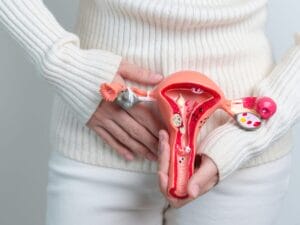
woman holding a model of a uterus

Symptoms of endometriosis

The main symptom of endometriosis is pain which can be felt in the pelvic area, the groin, the lower abdomen, and the lower back.

Other symptoms include:

Dysmenorrhea (menstrual cramps)

Heavy or irregular bleeding

Pain during sex

Gastrointestinal disturbances such as bloating, constipation, diarrhea, nausea, and vomiting

Pain when defecating

Frequent urination and/or pain during urination


The driving force behind these symptoms is chronic inflammation and excess amounts of estrogen, produced by the endometrial tissues (Bulan et al, 2019).
woman clutching her stomach


Dealing with “endo belly”

“Endo belly” is the tight, bloated abdomen endometriosis sufferers experience during their monthly cycle. It can be accompanied by pain, wind, or changes in bowel habits. The bloating may get worse just before a period when hormone levels peak.

The best way of dealing with endo belly and the many other symptoms of endometriosis is through food and lifestyle changes.

What you eat and how you live influences your hormone health every single day.  If you want to drive down excess estrogen and be free of inflammation you need to live more harmoniously with your hormones.


Which diet is best for endometriosis?

We believe the most effective approach for managing endometriosis is an anti-inflammatory diet that supports gut health and liver function.

This approach addresses the underlying causes of endometriosis:

Inflammation: Endometriosis is characterized by painful, inflammatory symptoms. A typical Western-style diet rich in ultra-processed foods and low in fiber and antioxidants will fuel this inflammation and make your symptoms worse.

Estrogen excess: Estrogen needs to be detoxified through the liver and excreted via the gut. The gut microbiota contains a special subset of bacteria called the estrobolome which is responsible for processing estrogen. If the estrobolome is disrupted it can recycle old estrogen back into circulation, adding to the overall hormone imbalance.

Jiang et al (2021) show that endometriosis is associated with gut microbiome disturbances which in turn lead to immune dysfunction and further inflammation. This two-way connection between endometriosis and the gut microbiome must be addressed with diet to help reduce inflammation and optimize microbial balance.


Why the EBS diet and lifestyle is best for endometriosis

At EBS we believe in a whole-body approach to managing endometriosis. Our programs encompass foods, movement, and meditation, to support health holistically.

The EBS platform is used and prescribed by healthcare professionals worldwide for endometriosis and other chronic inflammatory conditions. It treats inflammation at a systemic level, supports optimum hormone balance, and reduces pain where needed.


This is what some of our  EBS members with endometriosis have to say:

“Just finished Week One and I feel great already. The main reason I’m following the EBS lifestyle is suffering endometriosis. I lost 1kg on Week One and feel less bloated. Overall, I think mentally I feel better as well!!”

Niloofar


“I have some great news that I wanted to share with you. My endometrioma finally started to shred one year after the diagnosis, and after joining the EBS, it was stable, and I thought it was never going to shred.

In February 2022 it was down by 1.5cm, and now it is down by 2.5cm! I couldn’t believe my doctor! I thought that surgery was the only way to get rid of it!

I am so happy that I finally see the healing. The brain is incredible.

I believe reducing stress, body mobility, and whole foods are keys to sustainable health.”

Safae


Ready to be free from the pain and bloating of endometriosis? Join Eat Burn Sleep today and get started on your path to a pain-free life. Take a sneak peek around the platform here and check out our membership options here.


And you might also enjoy:

The Anti-inflammatory Diet and Lifestyle

Women’s Pelvic Floor Health – Podcast

Worst Foods for Gut Health


Wishing you well,

Yalda x

Posted on Leave a comment

Heart Health: Do You Have a Heart-Healthy Lifestyle?

hearth healthy lifestyle

Heart disease is the number one cause of death worldwide. Nearly 18.6 million people died from cardiovascular disease in 2019, yet most cases are preventable. Along with Type 2 Diabetes, cancer, and obesity, heart disease is one of a growing number of non-communicable diseases that can be prevented through diet and lifestyle changes.

Here at Eat Burn Sleep we firmly believe in the power of an anti-inflammatory lifestyle and the benefits it has for heart health. But do you have a heart-healthy lifestyle?


What is heart disease?

Heart disease or cardiovascular disease as it is better known is the collective name for conditions that affect the heart and circulatory system. Some of these conditions are congenital and people are born with them, while others can be triggered by diet, stress, and lifestyle.

Heart disease includes:

  • High blood pressure (hypertension)
  • Coronary Artery Disease: This includes arteriosclerosis (hardening of the arteries) and atherosclerosis, where arteries are blocked by fatty deposits.
  • Cardiomyopathy – weakening of the heart muscle
  • Stroke
  • Irregular heartbeats (arrhythmias)
  • Angina
  • Heart failure


How do I know if I am at risk of heart disease?

Heart health research reveals 5 major risks for cardiovascular disease:

Chronic inflammation: We all need to have some level of inflammatory response to illness and injury as this is part of a normal and healthy immune reaction. However, chronic or systemic inflammation is harmful to health and linked with a wide range of conditions including heart disease.

Metabolic issues like obesity, insulin resistance, Type 2 diabetes, high blood pressure, and poor cholesterol balance (too much LDL cholesterol and not enough HDL cholesterol).

Smoking.

Lack of physical activity.

Diets that are low in fiber, good fats, fruits, and vegetables, and high in Ultra Processed Foods, refined sugar,  and unhealthy fats.

Genetic predispositions – remember though that genes can be “switched on” by lifestyle factors and inflammation.


Menopause and heart health

The risk of heart disease increases greatly after menopause when estrogen levels are much lower. This is because estrogen supports heart health in several ways (Ryczkowska et al, 2022):

  • Keeps blood vessels supple and flexible so they can respond to changes in blood pressure.
  • Regulates cholesterol levels.
  • Decreases the risk of blood clots.
  • Provides antioxidant protection against inflammation.
  • Supports energy production in heart muscle cells.


The earlier menopause occurs, the greater the risk of developing heart disease.  This is important for women who go through menopause before the age of 40 and for Black and Hispanic women as research shows they may reach menopause earlier than white, Japanese, and Chinese women (Harlow et al, 2022).

But no matter what your age or ethnicity, there is so much you can do with an anti-inflammatory diet and lifestyle to mitigate this risk! To find out more see my Perimenopause and Menopause video where I explain in detail how the EBS approach can help manage the effects of menopause.


What is Heart-Healthy Living?

Heart-healthy living involves recognizing and understanding your risk of heart disease and taking positive steps to reduce this and improve your health and well-being.

The idea of heart-healthy living is built into everything we do at EBS. Tackling chronic inflammation with diet and lifestyle changes addresses several key risk factors for cardiovascular disease.

Diet

The EBS Food Lists and meal plans are built around colorful, tasty, anti-inflammatory foods. They support gut health and a healthy immune response and address the nutritional imbalances that are at the root of metabolic issues like Type 2 diabetes and insulin resistance – key risk factors for heart disease.

Specific fruits and vegetables are part of our Food Lists for two very important reasons. Firstly, they contain natural anti-inflammatory phytochemicals, and secondly, they are natural modulators of proinflammatory gene expression (Zhu et al, 2017). This means they can influence gene expression and literally “turn off” pro-inflammatory genes.

To help you incorporate these foods into your daily life we have meal plans and over 330+ recipes to choose from.


Physical activity

At EBS we believe movement is key to healthy longevity. We have a library of 180+ different anti-inflammatory movement videos designed to fit into even the most hectic of lifestyles. These videos help with healthy circulation, body composition, weight balance, physical strength, and mental resilience. Above all, they are the perfect antidote to a sedentary lifestyle!

And it’s not just food and movement. Mental well-being and stress management are crucial for managing inflammation and living a heart-healthy lifestyle. In EBS you will find guided meditations for mental health and a series of Masterclass sessions to inform and inspire.

Remember, conscious effort combined with science is powerfully effective in the fight against heart disease.

Want to know more about Eat Burn Sleep? Take a sneak peek around the platform and check out our membership options here.


And you might also like to read:

How Do You Reduce Your Cholesterol?

The Anti-inflammatory Diet and Lifestyle

10 Reasons to Walk


From my heart to yours,

Yalda x

Posted on Leave a comment

Raynaud Awareness: Improve Your Daily Health

raynauds copy

Quick Answer: Raynaud awareness helps people recognize the signs, triggers, and management of Raynaud’s phenomenon, a condition that reduces blood flow to the fingers and toes. While there is no cure, avoiding cold exposure, managing stress, following an anti-inflammatory lifestyle, staying physically active, and seeking appropriate medical care can help reduce flare-ups and improve quality of life.

February is Raynaud’s Awareness Month. Raynaud’s (pronounced ray-nodes) disease is a genuinely painful circulatory problem affecting around 10 million people in the UK. Like many conditions linked to autoimmunity and inflammation, it affects more women than men, and often first appears before age 30.

Raynaud’s Awareness Month aims to raise real visibility for this condition, and help people access the support and resources they need to manage their symptoms.

The classic signs of a Raynaud’s attack are:

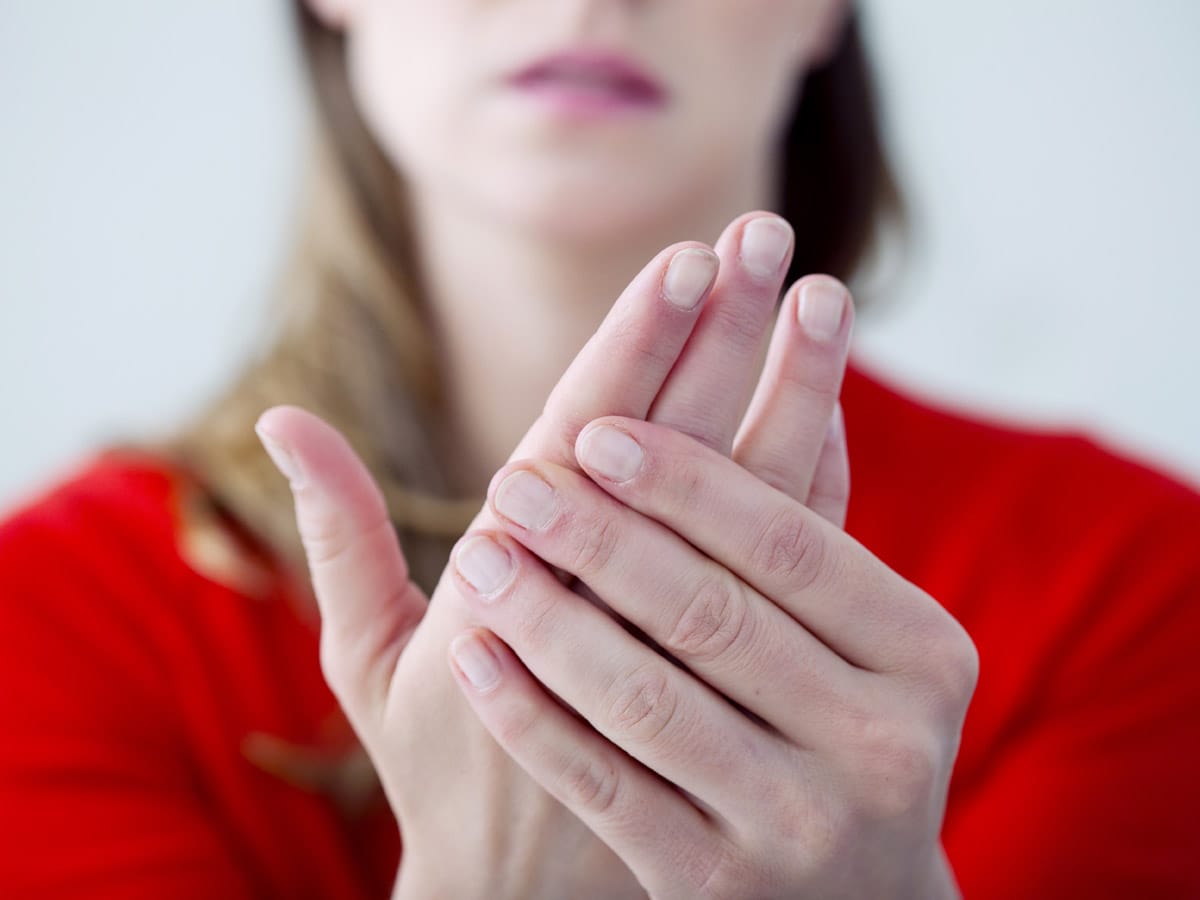
  • An extreme reaction to cold and temperature changes, causing the small blood vessels in your extremities (fingers, toes, ears, nose, lips, and even nipples) to constrict
  • The affected areas turn blue, purple, or white, and feel cold and numb
  • Pain or tingling, which can actually worsen as circulation returns

Once an attack subsides and blood flow returns, the affected areas regain their normal color and sensation.

Emotional stress is another genuinely common trigger for these attacks, while caffeine, alcohol, and certain medications can make symptoms worse.

What Causes Raynaud’s Disease?

There are two forms of Raynaud’s:

Primary Raynaud’s (often just called Raynaud’s disease) is the less serious form, affecting the majority of sufferers. Most people with this condition have no other problems associated with it, and can manage their symptoms themselves.

Scientists haven’t yet uncovered the exact cause of primary Raynaud’s. Normally, when your body feels cold, it diverts blood away from the extremities toward your heart and vital organs. With Raynaud’s, this response is heightened, making the blood vessels in your extremities contract faster and tighter than normal. Symptoms can also be triggered by emotional stress, which suggests a real link with the “fight or flight” sympathetic nervous system response.

Secondary Raynaud’s (also known as Raynaud’s syndrome or phenomenon) is caused by another underlying condition. This is usually scleroderma, rheumatoid arthritis, or lupus, inflammatory conditions affecting the connective tissue in your body. Other causes of secondary Raynaud’s include smoking, repetitive vibration injury, and arterial disease.

This secondary form genuinely needs regular, careful monitoring by a healthcare professional, in case of complications like skin ulcers or gangrene.

Is Raynaud’s Hereditary? The Genetic Link

Recent research suggests that genetics may play a role in the development of Raynaud’s phenomenon, although genes alone do not determine whether someone will develop the condition. Scientists (Hartmann et al, 2023) have identified two genetic variants that may influence how blood vessels respond to cold temperatures and stress.

  • ADRA2A (Alpha-2A Adrenergic Receptor) gene: This gene helps regulate how blood vessels respond to adrenaline. Certain variations in ADRA2A may cause small blood vessels in the fingers and toes to constrict more strongly than normal, reducing blood flow and increasing the likelihood of Raynaud’s attacks during cold weather or emotional stress.
  • IRX1 gene: The IRX1 gene is involved in the development and function of blood vessels. Research suggests that variations in this gene may influence the way small blood vessels contract and relax, potentially contributing to the abnormal circulation seen in people with Raynaud’s phenomenon.

While these findings support a genetic link, genes are only one part of the picture. Environmental factors, cold exposure, stress, smoking, and lifestyle habits can also influence how these genes are expressed and how frequently Raynaud’s symptoms occur.

How to Manage Raynaud’s Disease

While there is currently no cure for Raynaud’s disease, many people can reduce the frequency and severity of attacks by making simple lifestyle changes and avoiding common triggers. Managing cold exposure, reducing stress, and supporting overall circulation are key parts of long-term symptom management.

  • Wear warm clothing: Dress in layers and keep your hands, feet, and body warm with gloves, thick socks, scarves, and insulated clothing, especially during cold weather.
  • Choose warm drinks: Drinking hot or warm beverages instead of cold ones can help maintain body temperature and may reduce the likelihood of cold-triggered attacks.
  • Exercise regularly: Regular physical activity helps improve circulation, supports cardiovascular health, and may reduce the frequency of Raynaud’s episodes over time.
  • Practice relaxation techniques: Stress is a common trigger for Raynaud’s attacks. Deep breathing, meditation, mindfulness, and other relaxation techniques can help calm the nervous system and encourage the body’s “rest and repair” response.
  • Avoid smoking: Nicotine causes blood vessels to constrict, reducing blood flow and potentially making Raynaud’s symptoms worse.
  • Identify and avoid your triggers: Pay attention to situations that trigger attacks, such as cold temperatures, emotional stress, or sudden temperature changes, and take practical steps to minimize exposure.

Although Raynaud’s cannot be cured, combining healthy lifestyle habits with your healthcare provider’s advice can help improve circulation, reduce flare-ups, and make daily life more comfortable.

What Foods Should You Avoid With Raynaud’s?

This is one of the most practical questions I can answer, so let me be direct. Alongside building a proper diet for Raynaud’s disease, it’s just as important to know what to pull back on:

  • Caffeine: caffeine and Raynaud’s don’t mix well, since caffeine constricts blood vessels, which can worsen or trigger an attack in sensitive individuals.
  • Alcohol: can disrupt circulation and interfere with your body’s temperature regulation.
  • Highly processed, inflammatory foods: these add to the underlying inflammation that worsens secondary Raynaud’s specifically
  • Very cold foods and drinks: these can act as a direct trigger in the same way cold weather does.

If you’re building out your own Raynaud’s diet to avoid list, start with these, then work with your practitioner on anything more specific to your individual triggers.

Can an Anti-Inflammatory Diet Help in Raynaud Awareness?

An anti-inflammatory diet and lifestyle, like the Eat Burn Sleep (EBS) approach, is a genuinely great option for managing symptoms, especially secondary Raynaud awareness by inflammatory conditions. Research consistently highlights the benefits of specific foods and nutrients in managing inflammatory conditions like rheumatoid arthritis and other autoimmune issues.

The Bupa Global-approved EBS program is safe, natural, and evidence-based. Health professionals worldwide use it with their patients every day.

The EBS lifestyle is a genuinely holistic approach to care, covering diet, lifestyle, mindset, movement, relaxation, and sleep support. I firmly believe all of these factors are needed together to achieve real, optimum health.

When it comes to a Raynaud’s treatment diet specifically, our recommended foods include warming herbs and spices like ginger, turmeric, cinnamon, nutmeg, and black pepper. They form a key part of the EBS Anti-Inflammatory Food Lists and recipes, and can genuinely benefit circulation while tackling the root causes of inflammation at the same time.

Our library of movement tutorials suits every level of ability, and fits easily into your day no matter how busy you are. Our meditation and mental wellness videos help you relax and build real resilience to the everyday stresses that may trigger your Raynaud’s.

Find out why anti-inflammatory foods and stress management matter so much in the EBS lifestyle through my podcast episodes:

And you can dive into these articles too:

If Raynaud’s disease is affecting your life, act now. Check out our membership options here, and begin your journey to optimum health.

Wishing you well, Yalda x

FAQs

Q1. What triggers Raynaud’s attacks?

The most common triggers include cold temperatures, emotional stress, and sudden changes in temperature. These triggers cause the small blood vessels in the fingers and toes to narrow, temporarily reducing blood flow and leading to color changes, numbness, and tingling.

Q2. Is Raynaud’s disease hereditary?

Research suggests that genetics may play a role in Raynaud’s disease. Recent studies have identified genetic variants, including ADRA2A and IRX1, that may influence blood vessel function. However, environmental factors and lifestyle habits also contribute to how the condition develops and is managed.

Q3. Can lifestyle changes help manage Raynaud’s disease?

Yes. While there is no cure for Raynaud’s disease, lifestyle changes can help reduce the frequency and severity of attacks. Keeping warm, exercising regularly, managing stress, avoiding smoking, and following a healthy anti-inflammatory lifestyle may help improve circulation and support overall vascular health.

Posted on Leave a comment

Recovering from Cancer

cancer recovery

From Diagnosis to Remission: Wilma’s Story

I am continually amazed by the incredible cancer testimonials we receive here at Eat Burn Sleep from members who are recovering from cancer. From breast cancer and squamous cell carcinoma to positive pap-smear tests and pre-cancerous cervical cells – our EBS members are seeing fantastic results.

One of my favorites is from Wilma, who used the EBS program while undergoing treatment for breast cancer.

This is Wilma’s story about recovering from cancer.

Recovering from Cancer – Wilma’s Story

Wilma had been an EBS member for four years, using the program to manage her Irritable Bowel Syndrome before she discovered a lump in her right breast. Medical investigations led to a triple-negative breast cancer diagnosis and an aggressive program of 16 chemotherapy sessions, surgery, immunotherapy, and radiation. This level of treatment puts a huge strain on the body and can be incredibly difficult to manage.

Fortunately, Wilma was already in a good place, having used the EBS plan for several years.  This meant her liver and gut health were in a really good place, and able to handle the strong treatments.

After her diagnosis, Wilma immediately began to follow the Week 1 Lifestyle recommendations and added in all the cancer-fighting protocols too. These are specific guidelines for anyone who wishes to work on cancer prevention or who is undergoing cancer treatment.

The EBS Cancer Prevention & Recovery Expert Advice

This covers all aspects of diet and lifestyle including:

  • Cancer promoters
  • Pros and limitations of certain diets
  • Effects of dairy, artificial sweeteners, and processed meats
  • Importance of liver health
  • Specific foods that have anti-cancer properties
  • Foods to include in an anti-cancer diet
  • Example meal plans
  • Meditation and visualization support

Wilma also reached out to the team and hired me as her nutrition coach so we could work closely together on her plan.

As you can see, her results are incredible! Wilma says…

“Yalda and her amazing program helped me so much!

Chemotherapy, though not fun, was not so difficult for me. Having a healthy gut and a liver that does not have to focus on anything other than supporting the body through chemotherapy made a huge difference. All my lab work came out almost normal the entire treatment, and my doctors could not believe how positive I was and how well I felt, even after 6 months of chemotherapy. I was able to continue to work and to work out as much as my body would allow without pushing myself, and this helped me stay strong and healthy.

Yalda encouraged me to maintain positivity, continue to meditate, to add movement (when possible), to eat as clean and healthy as possible (following week 1 of the platform), and to visualize remission daily. She did additional research and was there for me every step of the way.

I am extremely grateful to Yalda and her amazing program and encourage anyone who is diagnosed to follow the Cancer section of the Eat Burn Sleep platform. Do not just follow the food portion, but implement Yalda’s mindfulness, movement, visualization, sleep, and an overall positive outlook.”

The wonderful news is that after all her hard work and treatment, Wilma is now in remission.

She continues to follow the EBS lifestyle to maintain her health and is increasing daily movement to improve her physical strength.

Why the EBS Plan works

The beauty of the EBS plan is that it is holistic, covering food, lifestyle, and mindset. Each one of these factors is a powerful intervention on its own but combined they are phenomenal. Non-communicable diseases like cancer, Inflammatory Bowel Disease, and diabetes require this holistic approach that medication alone cannot provide.

Cancer can develop in any one of us, at any time. According to statistics from Cancer Research UK, 38% of cancers are preventable, which means they are linked to diet and lifestyle factors.

Genetics are linked to cancer of course, but the expression of those genes (epigenetics) is connected to diet and lifestyle. Sustained chronic systemic inflammation can trigger any disease gene expression, including genes linked to cancer (Coussens & Werb, 2002).

For more on the links between inflammation and cancer, check out my article The Dangers of Chronic Inflammation. And you might also enjoy my podcast episodes:

How to Survive Breast Cancer

Heal Yourself With Mushrooms

The best source of treatment for any kind of illness is prevention. An anti-inflammatory lifestyle, such as The Eat Burn Sleep lifestyle, focuses on lowering inflammation, improving gut health, and supporting a healthy, balanced immune response, among many other benefits.

As Sofia, another cancer-care EBS member says in her testimonial:

“I remember my oncologist hematologist scrolling down my blood results and he was amazed & asked me what did I do.

I simply answered saying that I followed an anti-inflammatory lifestyle.”

Check out our membership options here.

Yours in good health,

Yalda x