Posted on Leave a comment

Signs of Inflammation That May Surprise You

How to Tell If You Have Chronic Inflammation

Hello Everyone,

I am often asked about the signs of inflammation and how to tell if it’s a problem. But honestly, chronic inflammation will express itself differently for each of us! This is because we have a unique genetic makeup that influences our health.

However, there are some common signs of inflammation to look out for, some of which will surprise you.

 

What are the signs of chronic inflammation?

Digestive System


Cognitive function


Joints, muscles, and skin

  • Skin rashes
  • Acne
  • Joint pains
  • Back pain
  • Muscle aches
  • Swollen ankles and fingers
  • Puffy legs
  • Mouth sores
  • Dark circles around your eyes
  • Puffy eyes
  • Dry eyes
  • Melasma


General Health


This is not an exhaustive list, but I hope it gives you an idea of how many different ways chronic inflammation can appear in your body.

Should I Be Tested For Inflammation?

In some cases, your doctor or healthcare practitioner may run blood or stool tests to check for inflammatory markers. The most commonly tested marker in your blood is CRP – C-Reactive protein. Elevated levels of CRP indicate acute inflammation in your system.

However, CRP levels do not give the whole picture and you can still have chronic inflammation even if your levels are within the normal range.

What Causes Chronic Inflammation?

It’s easy to get attached to the name of a disease and what medicines you can take to deal with it rather than thinking about the underlying cause. So many people get rid of their health issues on the Eat Burn Sleep program because it deals with the underlying cause.

When we talk about chronic inflammation we are looking at two main underlying causes: diet and lifestyle.

Yes, genetics play a role too. But even if you carry a genetic predisposition for an inflammatory condition, it is your diet and lifestyle that switches on those genes.

 

Diet, Lifestyle, and Chronic Inflammation

Diet is a major underlying cause of chronic inflammation because of the number of Ultra Processed Foods and Drinks (UPFDs) available now. These foods and drinks are high in refined sugars, industrially processed oils, artificial sweeteners, additives, and emulsifiers. They lack fiber, vitamins, minerals, and antioxidants.

They aren’t real food; they are the products of a chemistry lab! And we as humans are not designed to thrive on such things.

Lifestyle is the other major underlying cause. We have become reliant on smartphones and screens that disrupt our sleep. Millions of people are dealing with high levels of stress. And we move our bodies far less than we need to.

A sedentary lifestyle is strongly linked with chronic inflammation and is known to increase your risk of developing serious conditions like cardiovascular disease and diabetes. The same goes for stress too. Ongoing stress disturbs gut health, immunity, brain function, and cellular repair, opening the door to weight gain and chronic inflammation.

 

Eat Burn Sleep – The Power of an Anti-Inflammatory Lifestyle

Living a low-inflammation lifestyle protects you from disease and helps you recover from illness and surgery more efficiently.

The Eat Burn Sleep approach is more than just an anti-inflammatory diet. It is a complete 360-degree platform of inflammation-reducing tools.

The program includes:

  • Food plans
  • Recipes
  • Guided meditations
  • Movement videos
  • Health masterclasses, and more.


It is a program that works. We have countless testimonials from EBS members who have had an inflammatory condition, followed the program, and then returned to see their doctor who is astounded at the results.

Take Natasa, who saw incredible results after only 3 weeks on the program:

“Since joining the platform 3 weeks ago, I have lost 3kg, and my bloating is gone.

I have bilateral patellofemoral osteoarthritis (severe pain in both knees) and the pain is now much less. I feel like I can finally start doing movement videos that previously I couldn’t do because of my knee pain. Also, all your recipes are so tasty.

Thank you so much.”

I am passionate about helping people live healthier, happier lives, so you can imagine how it feels when testimonials like this come in!

How does the program work?

I always suggest that people start with the 6-week Reset. This is designed to optimize your gut microbiota and liver function. It takes just 42 days to feel incredible before you carry your anti-inflammatory lifestyle forward with all the tools that you need.

The program is all about moderation and enjoying life – not deprivation and restriction. It’s about damage limitation, not perfection! With the health education Eat Burn Sleep provides, people make better choices for themselves and their families – promoting healthier lives for all ages.

Want to find out more? Enjoy a sneak peek into the program and find out more about our membership options now.

You might also like:

How Does Sleep Help With Inflammation?

Heart Health: Do You Have a Heart-healthy Lifestyle?

Recovering From Cancer

With love,

Yalda x


Yalda Alaoui is a qualified Naturopathic Nutritionist (with a foundation in Biomedicine) who studied with the College of Naturopathic Medicine in London. She has spent over a decade performing groundbreaking research in chronic inflammation and gut health.

Posted on Leave a comment

Irritable Bowel Syndrome Self-Care Diet That Works

Quick Answer: An Irritable Bowel Syndrome self-care diet focuses on reducing digestive symptoms by combining anti-inflammatory, nutrient-rich foods with healthy lifestyle habits. Supporting gut health, managing stress, getting enough sleep, staying active, and identifying personal food triggers can help reduce IBS flare-ups and improve long-term digestive health.

If you’re one of the millions of people who deal with Irritable Bowel Syndrome, I want you to know something first: I’ve been exactly where you are. This common condition affects 5-10% of the world’s population, with women more commonly affected than men, and for a long time I felt like I was the only one googling “why does my stomach hate me” at 2 am. 

There’s a vast amount of diet advice out there for IBS, but honestly, most of it isn’t backed by real science. So let me walk you through what I actually did, and what the best Irritable Bowel Syndrome self-care diet looks like when it’s built on evidence instead of guesswork.

What is Irritable Bowel Syndrome?

What is Irritable Bowel Syndrome

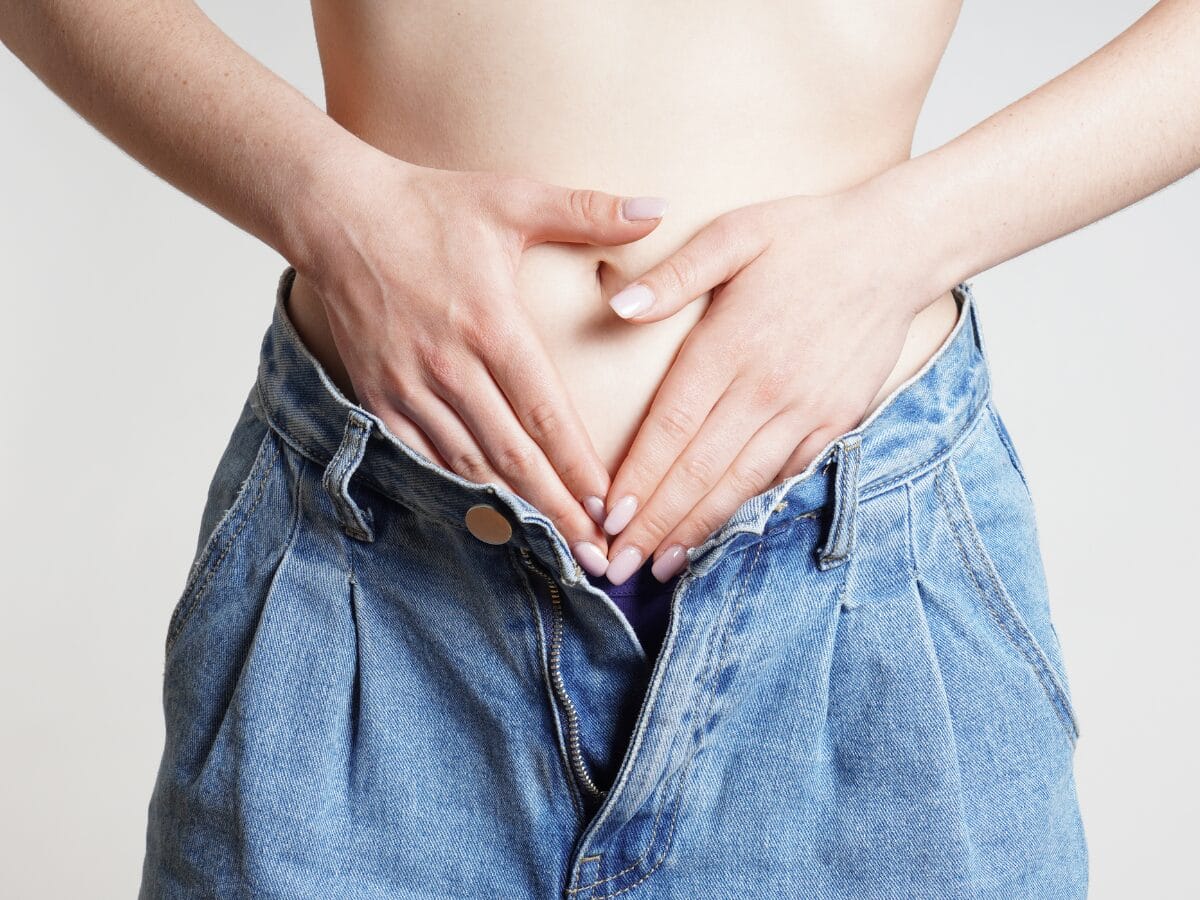
Irritable Bowel Syndrome (IBS) is a common digestive condition that affects the small and large intestines (colon). It doesn’t damage the intestines permanently, but it can cause ongoing digestive discomfort that interferes with daily life. Common symptoms include:

  • Abdominal pain or cramping: Often relieved after a bowel movement but may return regularly.
  • Bloating: A feeling of fullness or swelling in the abdomen that can worsen throughout the day.
  • Alternating constipation and diarrhea: Many people experience changing bowel habits, switching between constipation, diarrhea, or both.
  • Excess gas: Increased gas production can lead to discomfort, bloating, and frequent flatulence.
  • Noisy stomach (borborygmus): Loud rumbling or gurgling sounds caused by the movement of gas and fluids through the intestines.

IBS symptoms can vary from person to person and often fluctuate over time. Identifying your triggers and following a healthy lifestyle can help reduce flare-ups and improve your quality of life.

There are 3 categories of IBS depending on what your bowel movements look like when symptoms flare up:

  • IBS-D is characterized by predominantly soft, watery stools and diarrhea.
  • IBS-C causes constipation and dry stools that are harder to pass.
  • IBS-M is a mixture of both constipation and diarrhea.

What Causes IBS?

Most of us dealing with IBS have a whole combination of triggers, not just one. Mine ranged from stress and processed food to poor sleep, anxiety, food intolerances, and PMS. Some people (maybe you too) developed IBS after a bout of food poisoning or a gut infection.

Here’s the one thread connecting all of these triggers: they all disturb the balance and diversity of the gut microbiome.

The billions of microbes making up your gut microbiome are responsible for digestive health, bowel regularity, immune health, managing inflammation, and even supporting your mental well-being. Your gut hosts around 70% of your immune cells and produces 60% of your neurotransmitters. 

These gut bugs matter more than we give them credit for. When gut microbiome balance is disrupted, it can trigger inflammation and the exact IBS symptoms I just listed above (Menees et al, 2018).

The IBS Flare-Up Triggers I Learned to Watch For

This is the part nobody told me early on: figuring out your personal IBS flare-up triggers is half the battle. For me, it wasn’t one single food or one bad day; it was a pattern I only noticed once I started paying attention. Poor sleep the night before, a stressful morning, and a heavy processed meal would stack on top of each other, and that’s when my symptoms hit hardest.

If you’re just starting to untangle your own triggers, a simple food and symptom journal can be genuinely eye-opening. Write down what you ate, how you slept, your stress levels, and how your gut responded. Patterns show up faster than you’d expect, and once you can name your triggers, you can actually plan around them instead of just reacting to flare-ups after the fact.

One thing that also helped me was realizing that IBS triggers rarely happen in isolation. It’s often the combination of food choices, stress, poor sleep, dehydration, hormonal changes, and a lack of movement that pushes the gut past its comfort zone. 

By making small, consistent lifestyle changes and addressing these factors together, you can often reduce the frequency and severity of flare-ups while gaining more confidence in managing your symptoms. 

What Else Might Be Causing These Symptoms?

The symptoms of IBS are similar to many other bowel conditions; IBS can also occur in other medical conditions. Before assuming you have IBS, it’s important to speak with your healthcare provider to rule out other possible causes.

  • Inflammatory Bowel Disease (IBD): Conditions such as Crohn’s disease and ulcerative colitis can cause abdominal pain, diarrhea, weight loss, and intestinal inflammation.
  • Diverticulitis: Inflammation or infection of small pouches in the colon can lead to severe abdominal pain, fever, and changes in bowel habits.
  • Celiac Disease: An autoimmune condition triggered by gluten that damages the small intestine and may cause bloating, diarrhea, fatigue, and nutrient deficiencies.
  • Bowel or ovarian cancer: Persistent digestive symptoms, unexplained weight loss, bleeding, or ongoing abdominal pain should always be assessed to rule out more serious conditions.
  • Polycystic Ovary Syndrome (PCOS): Hormonal changes associated with PCOS can sometimes contribute to bloating, abdominal discomfort, and digestive complaints.
  • Parasitic infections: Certain parasites can cause diarrhea, stomach cramps, bloating, nausea, and other symptoms that may resemble IBS.

Because these conditions can share similar symptoms, obtaining an accurate diagnosis is essential before starting any long-term treatment or dietary changes.

Why is an Anti-Inflammatory Diet Important for IBS?

Why is an Anti-Inflammatory Diet Important for IBS

IBS isn’t technically classed as an inflammatory bowel disorder, but research shows that low-grade inflammation plays a real role in the development and progression of the condition (Ng et al, 2018).

So where does that inflammation actually come from? As I mentioned earlier, your gut microbiome plays a huge role in regulating inflammation, both in your digestive system and throughout your whole body. When your gut microbes are thrown off by stress, infection, poor diet, or chronic lack of sleep, inflammation follows. That’s why the diet that actually helped me is one that:

  • Reduces inflammation
  • Contains the nutrients you need to manage stress and support mental well-being
  • Supports a healthy, balanced gut microbiome

My Go-To Anti-Inflammatory Foods for IBS

Once I understood why inflammation mattered, choosing anti-inflammatory foods for IBS became so much less overwhelming. I stopped chasing every trendy “gut health” product and focused on a few staples instead: cooked leafy greens, oily fish, olive oil, ginger, and gentle fermented foods that my gut actually tolerated well.

During some of my most difficult flare-ups, I also explored a low FODMAP approach, desperately searching for anything that might quiet the storm in my gut. While many find relief there, it simply wasn’t the answer for me. That journey taught me that cutting out specific foods is only one piece of the puzzle. The real breakthrough came when I shifted toward an anti-inflammatory lifestyle that nurtures the entire gut ecosystem. This is the heart of why I created the Eat Burn Sleep lifestyle.It’s about lowering inflammation and supporting your microbiome for sustainable, lifelong health, moving beyond the limits of restrictive elimination diets.

The Best Irritable Bowel Syndrome Self-Care Diet

If you’re feeling overwhelmed by all the nutrition advice out there for IBS and gut health, I get it; I was there too. That’s honestly why I built my life around the Eat Burn Sleep program. The Eat Burn Sleep anti-inflammatory lifestyle is the safe, natural, long-term, 360-degree approach I wish I’d found years earlier for managing Irritable Bowel Syndrome Self-Care Diet.

The program comes with extensive food lists, meal plans, and recipes built around anti-inflammatory foods, the same kind that support healthy gut function and help your body build resilience to stress.

Our Movement videos help you stay active and strong without piling extra stress onto your body, because let’s be real, stress is one of the biggest IBS triggers, and pushing yourself too hard in workouts can backfire.

And if anxiety or poor sleep have been making your IBS worse (mine definitely did), our Meditation Guides are designed to support relaxation and deep, restorative sleep. Your gut does a lot of its repair and “housekeeping” work while you sleep, so real rest isn’t optional here; it’s part of the treatment.

Still unsure if EBS can help you the way it helped me? Here’s what our member Pina had to say:

The IBS and Digestive Issues Masterclass was amazing. Great information on what to avoid during flare-ups. The sugar and fiber were an eye-opener for me. This is why I always renew my membership!

And Naouel no longer deals with stomach aches and bloating:

I used to have stomach aches after each meal, and I no longer have these. I lost 16kg in one year with no feeling of being hungry or frustrated, and I have no more bloating. I move, work, socialize, and face problems with no effect on my health whatsoever.

I have not taken painkillers or pills since I have been following the EBS lifestyle. An amazing life change!

If you want results like these for yourself, check out what’s on offer in our membership options here, and let’s say goodbye to IBS for good, together.

You might also enjoy these Videos and articles:

FAQs

Q1. What is the best Irritable Bowel Syndrome self-care diet?

The best Irritable Bowel Syndrome self-care diet emphasizes whole, minimally processed foods, supports gut health, and avoids personal trigger foods. Combined with stress management and healthy lifestyle habits, it can help reduce IBS symptoms.

Q2. What foods should I avoid with IBS?

Many people find that ultra-processed foods, fatty meals, excessive sugar, alcohol, and foods that trigger their individual symptoms can worsen IBS. Keeping a food and symptom diary can help identify your personal triggers.

Q3. Can lifestyle changes improve Irritable Bowel Syndrome?

Yes. Regular exercise, quality sleep, stress management, staying hydrated, and following a balanced, anti-inflammatory diet can help reduce flare-ups and support better digestive health alongside any treatment recommended by your healthcare provider.