 Reboot and Revive


Quick Answer: Yes, it is possible to become pregnant with endometriosis, although some women may find it more difficult to conceive. The condition can affect fertility, but many women with endometriosis have healthy pregnancies naturally or with medical support. Maintaining a healthy lifestyle, reducing inflammation, and working closely with your healthcare provider can help support both fertility and pregnancy.
Hello everyone. If you have endometriosis, there’s no doubt the impact on your life is profound.
Endometriosis pain can feel different for every woman. For some, it feels like sharp, stabbing pain or intense cramping during certain times of the month, while others experience a constant dull ache in the pelvis, lower back, or abdomen.
These symptoms can interfere with daily activities, work, relationships, and overall quality of life. If you’re concerned about pregnant endometriosis, fertility, or how endometriosis may affect pregnancy, this guide is here to help.
We’ll explore what the latest evidence says, discuss natural ways to support your health, and explain why having endometriosis doesn’t always mean you can’t have a healthy pregnancy. If you know someone living with this challenging condition, please share this article; it could provide reassurance, practical advice, and hope.
Can Endometriosis Affect Fertility?
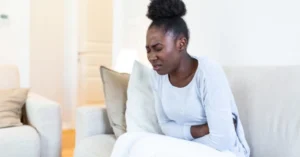
Life with endometriosis can be extremely limiting, and it often sends sufferers to bed for days on end, curled up in a ball with intense pain, feeling unable to move.
Your tummy can swell, causing what’s commonly known as an “endo belly.” The pain can be excruciating when you go to the bathroom, and it can extend to other parts of your body, like your back and legs.
Heavy periods often accompany endometriosis, meaning you can never be far from a bathroom. Endometriosis can also lead to hormonal acne, painful cysts, psoriasis, and arthritis.
It can be genuinely exhausting, and it can leave very little room for life’s pleasures. Intimate relationships, work, school, social life, and mental well-being can all be affected, and for so many women, there’s the added worry of infertility sitting underneath all of it.
How Pregnant Endometriosis Can Lead to Infertility

As I mentioned, endometriosis is a chronic inflammatory condition that can present with severe pelvic pain throughout the month, alongside plenty of other debilitating symptoms.
It can cause dyspareunia (painful intercourse) and severe constipation, and it’s genuinely linked to infertility. This chronic inflammatory condition often goes undiagnosed for a long time.
The World Health Organization reports that 190 million women of reproductive age globally receive an endometriosis diagnosis. It describes endometriosis as tissue that normally lines the uterus growing outside of it instead. An immunosuppressive state caused by chronic inflammation, where the immune system becomes dysregulated, can create the perfect environment for this to happen.
The American Journal of Obstetrics & Gynecology (AJOG) states that 6 out of 10 endometriosis cases in the US go undetected. AJOG classifies endometriosis as a wide-ranging, pervasive condition, describing it as “nothing short of a public health emergency” requiring immediate action. Clinically, AJOG frames endometriosis as a menstrual cycle-dependent, chronic, inflammatory, systemic disease that most commonly presents as pelvic pain.
Other health challenges often show up alongside endometriosis too, like iron deficiency and everything that comes with it: extreme fatigue, difficulty walking, or even the need for iron infusions.
Can Endometriosis Cause Depression?

Depression often accompanies this chronic inflammatory condition, and honestly, that’s completely understandable. Endometriosis can take over your life. When your social life shrinks, work becomes a daily challenge, and you’re confined to bed regularly, all of that genuinely contributes to low mental wellbeing.
Depression also happens through a real physiological process tied to the nature of chronic inflammation itself. Chronic inflammation increases neuroinflammation in the brain and spinal cord, which directly affects mental wellbeing. Anxiety and depression are both heightened whenever inflammation is present in the body.
You may want to read: Do You Often Feel Like Crying?
Can You Get Pregnant With Endometriosis?
If you have endometriosis, can you get pregnant? Yes, genuinely, you can. Many women with endometriosis have gone on to have healthy babies by reducing their inflammation systemically.
Inflammation can disrupt endometrial function, impair critical cellular processes that prepare it for pregnancy, and lower progesterone levels. Discuss this anti-inflammatory diet and lifestyle approach to treating endometriosis with your doctor.
We start by focusing on the microbiome and the liver in the 6-Week Reset. Read the testimonials about the benefits of this health-changing protocol before moving on to the next level of health.
Certain bacteria in the microbiome are associated with endometriosis, and these are rebalanced through the Eat Burn Sleep lifestyle. Treating gut dysbiosis genuinely improves immune response and reduces chronic inflammation.
This is exactly why members with endometriosis and other inflammatory conditions, who’ve had real fertility concerns, have been able to conceive and go on to have a baby following this lifestyle.
Chronic inflammation is linked to both infertility and miscarriage. When you reduce inflammation around the uterus, your chances of healthy implantation and a positive pregnancy outcome go up considerably.
You may want to read: Improve Fertility for A Healthy Baby & Inflammatory Infertility.
How to Get Pregnant With Endometriosis
If you’re actively trying to conceive, here’s how I’d approach it, and how so many of our members have approached it too:
- Start with the microbiome and the liver. This is exactly where our Six-Week Reset begins, because a healthy gut and a well-functioning liver underpin your body’s ability to regulate hormones and manage inflammation.
- Reduce systemic inflammation before you focus purely on fertility. Since inflammation disrupts endometrial function and progesterone levels, bringing it down first genuinely improves your odds, rather than jumping straight to fertility-specific interventions alone.
- Work with your doctor alongside this approach. This isn’t about replacing medical care; it’s about giving your body the best possible internal environment to support whatever fertility treatment path you and your doctor choose, including IVF if that’s part of your journey.
- Be consistent, not perfect. Real, sustained changes to diet and lifestyle over weeks and months are what shift your internal environment not a single “clean” week here and there.
- Get support tailored to endometriosis specifically. Our fertility section (with or without IVF) covers this alongside the dedicated endometriosis, hormonal balance, and depression sections, so you’re not trying to piece this together alone.
Diet and Lifestyle for Endometriosis During Pregnancy
Once you are pregnant, the diet and lifestyle for endometriosis during pregnancy don’t stop mattering; if anything, they become even more important, because managing inflammation well can support a smoother pregnancy and reduce the chance of flare-ups affecting you while you’re carrying.
I always recommend continuing the same anti-inflammatory foundations that helped you conceive, adjusted appropriately for pregnancy and discussed with your obstetrician or midwife. That includes staying on top of iron levels especially, since iron deficiency is already common with endometriosis, and pregnancy increases your iron needs further.
Continuing to support your gut microbiome, staying properly hydrated, managing stress, and keeping gentle movement in your routine all remain just as relevant now as they were before conception.
The goal through pregnancy is the same as it was getting there: keep systemic inflammation as low as possible, so your body has the best possible environment to carry a healthy pregnancy to term, while still working closely with your medical team throughout.
How Can You Have a Healthy Baby?
If you have endometriosis, becoming pregnant and having a healthy baby may feel overwhelming. The good news is that reducing chronic inflammation and supporting your overall health can improve your fertility, pregnancy outcomes, and quality of life. Here are some ways to support a healthier pregnancy journey:
- Reduce chronic inflammation: Lowering inflammation throughout the body may improve fertility, reduce pelvic pain, and support a healthier pregnancy.
- Follow an anti-inflammatory diet: Eating nutrient-rich foods can help calm inflammation and provide the vitamins and minerals needed for reproductive health.
- Stay physically active: Regular, gentle exercise supports circulation, hormone balance, and overall well-being without placing unnecessary stress on the body.
- Manage stress effectively: Chronic stress can worsen inflammation and hormone imbalances, so prioritizing relaxation and quality sleep is important.
- Work with your healthcare provider: Regular medical care helps monitor your condition and ensures you receive the right support before and during pregnancy.
- Take a whole-body approach: Combining healthy nutrition, regular movement, stress management, and good sleep can help many women with endometriosis feel better and improve their chances of a healthy pregnancy.
The genuinely good news is that on Eat Burn Sleep, pain, bloating, and inflammation reduce as the days go by. Those days become ones you can look forward to as symptoms subside, and life becomes enjoyable again.
If you have the Eat Burn Sleep Premium Membership, you can personalize the program around your specific health goals. There are so many ways to bring in tailored advice for endometriosis in the fertility section (with or without IVF) for both men and women, plus dedicated endometriosis, hormonal balance, and depression sections.
You may also be managing other things alongside your pregnant endometriosis, like bloating, migraines, acne, psoriasis, or hair loss. There’s a pregnancy and postpartum section too, for once your fertility journey has reached its goal.
Whether fertility is something you’re focused on now or hoping for in the future, please don’t lose hope, and don’t delay working on your chronic inflammation systemically. Everyone’s health improves dramatically once they follow the Eat Burn Sleep method.
I am sending good wishes for a healthy, happy day!
FAQs
Q1. Can you get pregnant if you have endometriosis?
Yes. Many women with endometriosis become pregnant naturally, although the condition can make conception more difficult for some. The severity of endometriosis, age, and overall reproductive health all play a role in fertility.
Q2. Does pregnancy cure endometriosis?
No. Pregnancy does not cure endometriosis, but some women experience temporary relief from symptoms due to hormonal changes during pregnancy. Symptoms may return after childbirth or when menstrual cycles resume.
Q3. Can endometriosis affect pregnancy?
Most women with endometriosis have healthy pregnancies, but the condition may slightly increase the risk of complications such as miscarriage, preterm birth, or placental problems in some cases. Regular prenatal care and following your healthcare provider’s advice can help support a healthy pregnancy.




Get the EBS app


Frequently Asked Questions
Google Chrome translates the text; therefore, you can choose the language of your preference to read the text. The videos will still be available only in English.
Yes. Chronic inflammation can lead to atherosclerosis (hardening of the arteries) and consequently increases the risk of strokes. Following an anti-inflammatory lifestyle can help soften the arteries and support cardiovascular health.
Do I need to cook while on the EBS Lifestyle?
Not necessarily. You can absolutely eat out by following the Eating Out Guide. This Lifestyle isn’t about perfection — it’s about damage limitation. And if you do want to cook at home, the recipes are simple, approachable, and designed for all skill levels.
Can you eat out while following the EBS Lifestyle?
Yes. There is an Eating Out section on the Eat Burn Sleep platform that will help you choose the best cuisines and the healthiest dishes on the menu when you are eating out.
Is the EBS Lifestyle suitable for me whilst pregnant?
Yes. Many women have used this lifestyle for fertility, during pregnancy, and afterward. Following this lifestyle during pregnancy has many benefits, and there is special personalized advice for Pregnancy & Postpartum. Check it with your doctor first, of course. Stick to your doctor’s supplements advice.