Posted on Leave a comment

How to Detox Liver Naturally for Better Health

Quick Answer: You can support your liver naturally by cutting back on alcohol, smoking, and processed food, staying well hydrated, and eating more foods high in B vitamins and antioxidants like vitamin C, vitamin E, zinc, and glutathione. A gradual Six-Week Reset gives your liver’s three detox phases enough time to work properly, rather than an extreme, restrictive cleanse. 

Detox liver naturally is a general buzzword at this time of the year for kickstarting weight loss. I am often asked, “Do I need to detox?”, “Which detox should I do?” and “Is detoxing safe?”

This article will answer these questions and help you decide whether a detox is right for you, and walk you through the liver detox program I recommend to my own clients. There’s so much noise out there about juice cleanses, teas, and quick-fix liver detox plans, and honestly, most of it isn’t doing your liver any favors

As a Naturopathic Nutritionist, I want you to understand what your liver actually does, why it sometimes needs extra support, and how to choose a liver detox protocol that’s safe, sustainable, and backed by science rather than hype. By the end of this article, you’ll know exactly what a proper liver detox program looks like and whether it’s the right next step for you.

How Does Detoxification Work? 

Your body detoxifies toxins and waste products 24/7 through your lungs, liver, and kidneys. These organs never rest, and if something goes wrong with any of them, you can become seriously ill.

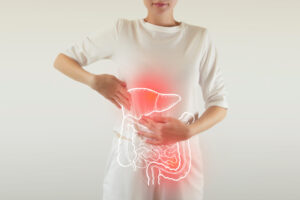
Liver detoxification processes turn fat-soluble toxins into water-soluble compounds to be eliminated by the kidneys in urine or through bile that goes to the bowel. There are 3 phases to liver detoxification: Phases I, II, and III.

Phase I, II, and III of detoxification

  • Phase I: Toxins arrive in the liver ready to be handled by enzymes belonging to the P450 cytochrome family. These enzymes carry out chemical processes like oxidation, reduction, and deamination to prepare the toxins for Phase II.
  • Phase II: Once the toxins are converted into water-soluble metabolites, the liver conjugates them (i.e., binds them to another substance) so they can be excreted via Phase III.
  • Phase III: Toxins travel to the kidney for excretion in urine, or the gallbladder for excretion in bile. Good hydration is essential for Phase III to work properly.

Your liver works hard all day every day, but it has to work even harder to handle things like alcohol, ultra-processed foods, cigarette smoking, pollution, and environmental toxins.

Is It Necessary to Detox?

Is It Necessary to Detox 

If the body is detoxifying 24/7, why do we need to do a “liver detox program“?

From a naturopathic perspective, a detox is about cutting back on the things that can impair our detoxification pathways, such as alcohol, smoking, and junk food, and giving ourselves more of the nutrients that support healthy, efficient detoxification. These include B vitamins and antioxidants like vitamins C and E, zinc, and glutathione.

You might want to detox after an indulgent celebration like Christmas, or a vacation. Or you could follow the seasons and detox in Spring and Autumn – the traditional times of year for change and renewal. This is exactly why I built a proper liver detox plan rather than leaving clients to figure it out on their own.

Signs that it could be time for a liver detox include:

  • Digestive Issues Like Poor Fat Metabolism: Difficulty digesting fats can lead to bloating, discomfort, and reduced absorption of essential nutrients.
  • Dark Urine: Dark-colored urine may indicate dehydration or an underlying health issue and should be evaluated if it persists.
  • Body Aches and Pains: Ongoing muscle and joint pain can be linked to inflammation, infection, or nutritional deficiencies.
  • Headaches: Frequent headaches may be triggered by dehydration, stress, dietary factors, or certain medical conditions.
  • Skin Rashes and Itching: Skin irritation and persistent itching can be signs of allergies, inflammation, or other underlying health concerns.
  • Nausea: Feeling nauseous may result from digestive problems, infections, medication side effects, or other medical conditions.
  • Fatigue: Constant tiredness can be caused by poor nutrition, chronic inflammation, hormonal imbalances, or lack of quality sleep.
  • Intolerance to Smells: Increased sensitivity to odors can occur with migraines, pregnancy, infections, or certain neurological conditions.
  • Mood Swings: Sudden changes in mood may be influenced by stress, hormone fluctuations, poor sleep, or nutritional imbalances.


What Are the Benefits of a Liver Detox? 
What Are the Benefits of a Liver Detox

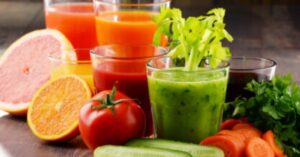
Following a safe, nourishing liver detox program can give you:

  • Better Energy Levels: Eating nutrient-rich, anti-inflammatory foods can help maintain steady energy throughout the day and reduce feelings of tiredness.
  • Better Concentration and Mental Clarity: A balanced diet supports brain function, helping improve focus, memory, and overall mental performance.
  • Comfortable Digestion: Healthy eating habits promote better digestion, reduce bloating, and support a balanced gut microbiome.
  • Clearer Skin: Reducing inflammation through diet may help improve skin health and reduce the appearance of acne, redness, and irritation.
  • Better Sleep: Proper nutrition can support healthy sleep patterns, making it easier to fall asleep and wake up feeling refreshed.
  • Sustainable Weight Loss: A healthy, balanced diet encourages gradual, long-term weight loss while supporting overall health and well-being.

The Eat Burn Sleep Six-Week Reset is the perfect liver detox plan. Many members notice benefits within a couple of weeks, like Dina, for example, who says:

“After just one week of the Six-Week Reset, I have lost 3.5kg. I am thrilled with the result, and I look forward to losing some more!”

Are Extreme Detoxes Good for Weight Loss?

Are Extreme Detoxes Good for Weight Loss 

The answer to that is no! Extreme detoxes cause harm and lead to more weight gain in the long run. Your body needs a wide range of nutrients every day to maintain your organs and create energy for living. 

Restrictive extreme detox diets (think a juice-only 12-day liver detox with almost no calories) don’t provide enough nutrition and cause incredible stress to your digestion, liver, and hormones, leaving you worse off than before. I never recommend that kind of extreme liver detox protocol to my clients.

What Are the Side Effects of a Detox Liver Naturally?

What Are the Side Effects of a Detox Liver Naturally 

When you start eating better foods mindfully and cutting out inflammatory junk food, your body can be shocked. Depending on your toxic overload, it happens around the third day of the Six-Week Reset in the Eat Burn Sleep program.

This is known as the healing crisis and is a sign that your body is in withdrawal from refined sugar and opioid compounds found in certain foods.

You might experience headaches, brain fog, and fatigue for a few days. Your gut microbiome, which will have grown the wrong kind of bacteria, will scream at you to have some sugar or other inflammatory food.

The wonderful thing is that this is just part of the healing process of a liver detoxification program and won’t last for too long.

How Long to Liver Detox? 

This is one of the questions I get asked the most, right after “which detox should I do?”

There’s no magic single-day fix here, and I’d gently steer you away from any detox liver plan promising results overnight. A liver detox isn’t a quick 3-day juice cleanse or an extreme 12-day liver detox; your liver needs sustained support to properly move through all three phases of detoxification, not just a short shock to the system.

In my experience, and in the experience of the women I work with, a proper reset takes around six weeks. That’s long enough for your body to move past the initial healing crisis, rebuild a healthier gut microbiome, and settle into habits that actually stick — rather than bouncing back to where you started, which is what tends to happen with shorter, more extreme protocols.

This is exactly why I designed the Eat Burn Sleep Six-Week Reset the way I did. It’s a gradual, supportive liver detox challenge, not a punishing one.

What is the Ultimate Liver Detox Program?

 What is the Ultimate Liver Detox Program

The Detox Liver Naturally program is filled with delicious foods and drinks, mindful movement, and gentle relaxation practices. You will feel amazing when you have nurtured yourself through it.

My Six-Week Reset program eases you through this process and lists science-backed activities to support your liver detoxification for long-term results.

It’s a glorious feeling when you are through to the other side and are reminded that you are stronger with higher energy levels, just like EBS member Brooke:

“I love your ‘soothing workouts’ and all your advice. I also wanted to let you know that when I rejoined last year and had my physical, my weight was 172 lbs. My physical last month was 142 lbs. Thank you so much.”

Ready to discover the ultimate liver detox? Find out more about our membership options now.

Our premium membership includes the Liver Detox Plan, which you can also purchase separately here,

You might also enjoy:

Have a fantastic day,

Yalda x

Yalda Alaoui is a qualified Naturopathic Nutritionist (with a foundation in Biomedicine) who studied with the College of Naturopathic Medicine in London. She has spent over a decade performing groundbreaking research in chronic inflammation and gut health.

FAQS

Q. Can you detox your liver naturally?

Yes, your liver naturally detoxifies your body every day. You can support this process by eating a balanced diet, staying hydrated, exercising regularly, limiting alcohol, and getting enough sleep.

Q. What foods help detox the liver naturally?

Foods such as leafy greens, berries, cruciferous vegetables, garlic, nuts, and healthy fats may support normal liver function. A diet rich in whole, nutrient-dense foods is generally better than relying on detox products or cleanses.

Q. Do liver detox drinks and cleanses really work?

There is limited scientific evidence that detox drinks or cleanses improve liver function in healthy people. Instead, long-term healthy eating habits and lifestyle changes are the most effective ways to support your liver naturally.
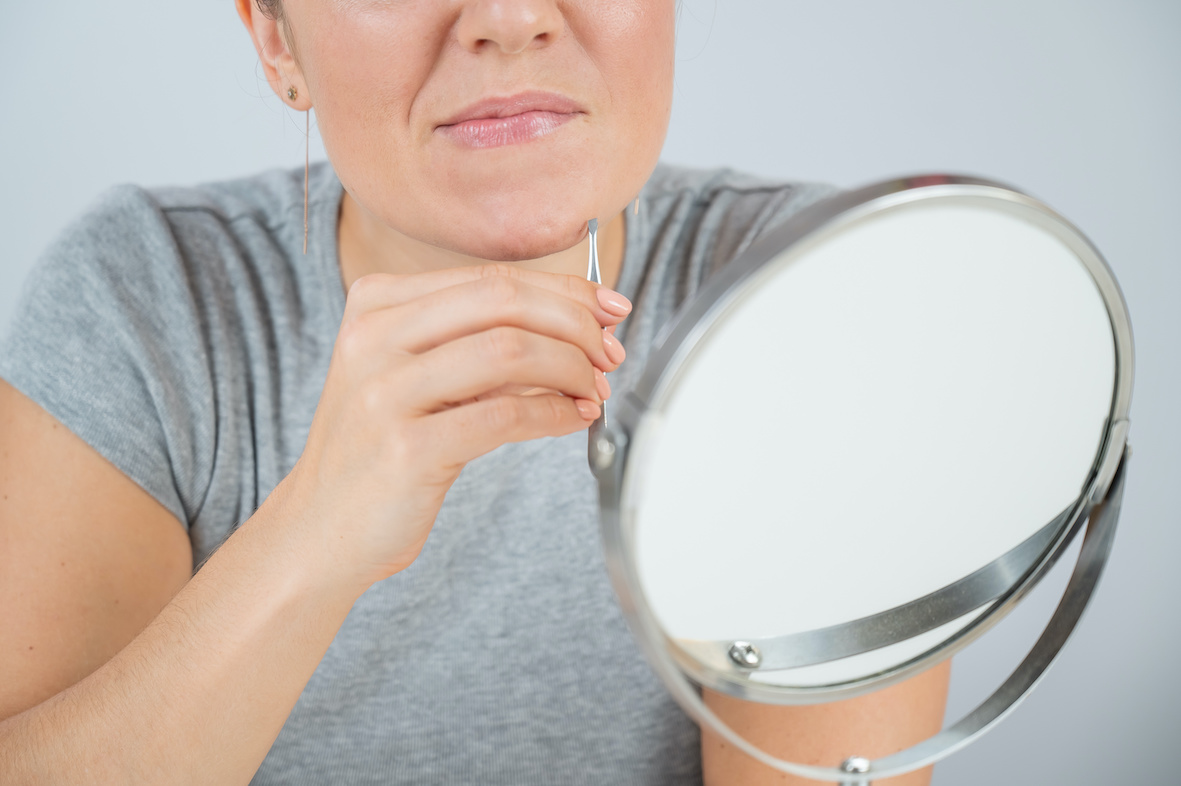
Posted on Leave a comment

Reduce PCOS Belly Fat and Improve Hormone Health

Hello Everyone,

Quick Answer: Reduce PCOS belly fat by focusing on an anti-inflammatory lifestyle rather than quick-fix diets. Eating nutrient-rich whole foods, improving insulin sensitivity, supporting gut health, exercising regularly, getting quality sleep, and managing stress can help reduce abdominal fat and improve hormone balance over time.

It can be so challenging to flatten your tummy when you’re dealing with hormonal and inflammatory conditions like Polycystic Ovary Syndrome (PCOS). I know this firsthand, and I hear it from so many of you too.

In this article, I’m going to explain why it’s genuinely hard to lose belly fat when you have PCOS, and share the tips that have actually helped me and so many of our members reduce PCOS belly fat for good.

What Is PCOS?

What Is PCOS

Many women have polycystic ovaries without having PCOS, but every woman with PCOS has polycystic ovaries. Let me explain… Each month, in the first half of the menstrual cycle, the ovaries develop follicles that contain eggs. One of these eggs will be released at ovulation, and the remaining follicles will degenerate.

However, some women carry undeveloped follicles on the ovaries that look like bunches of grapes; these are polycystic ovaries. It is possible to have polycystic ovaries and not experience any symptoms, but with PCOS, these cysts lead to hormonal imbalances and symptoms such as:

  • Irregular periods or no periods: Hormonal imbalances can disrupt ovulation, leading to infrequent, irregular, or completely absent menstrual cycles.
  • Fertility problems: Because ovulation may occur less often or not at all, PCOS can make it more difficult to conceive naturally.
  • Problems with blood sugar balance and insulin resistance: Many women with PCOS develop insulin resistance, which can increase blood sugar levels and raise the risk of type 2 diabetes.
  • Weight gain, especially around the abdomen: PCOS commonly causes fat to accumulate around the waist, making PCOS belly fat particularly difficult to lose.
  • Acne and oily skin: Higher androgen levels can increase oil production, leading to persistent acne and frequent breakouts.
  • Headaches: Hormonal fluctuations associated with PCOS may contribute to recurring headaches or migraines.
  • Excessive hair growth (hirsutism): Increased androgen levels can cause thicker, darker hair growth on the face, chest, back, abdomen, and other areas.
  • Thinning hair on the scalp: Hair may become thinner over time or follow a pattern similar to male-pattern hair loss due to hormonal changes.

Tests may reveal elevated levels of luteinizing hormone and testosterone and low progesterone. There may also be problems with estrogen metabolism.

If not treated, PCOS can increase the risk of other conditions like obesity, Metabolic Syndrome, insulin resistance, Type 2 diabetes, depression, infertility, and an accumulation of fatty tissue, particularly around the tummy area.

Why So Many of You Ask Me How to Lose Belly Fat With PCOS

I get messages almost every week asking me how to lose PCOS belly fat, and honestly, it’s one of the questions I get asked the most. So many of you are searching for how to get rid of PCOS belly, how to lose stomach fat with PCOS, or simply how to reduce PCOS belly fat once and for all, and I want you to know you’re not alone in that struggle.

PCOS belly and PCOS stomach fat behave differently than regular stubborn fat because they’re tied so closely to insulin resistance and inflammation, not just calories in versus calories out. That’s exactly why generic “eat less, move more” advice rarely works for us, and why I built my whole approach around gut health, movement, sleep, and stress instead.

How to Deal With Reducing PCOS Belly Fat

How to Deal With Reducing PCOS Belly Fat

PCOS belly fat accumulates as a result of insulin resistance and hormonal imbalance. It can be hard to shift, but it’s worth tackling, because this is the sort of fat that produces inflammatory chemicals which can make your PCOS symptoms even worse.

I recommend you follow a 6-step approach if you want to reduce PCOS belly fat:

Support Your Gut Microbiome

Your gut microbiome has a powerful influence on hormone balance, insulin sensitivity, digestion, and inflammation, all of which play an important role in PCOS. When your gut bacteria are healthy and diverse, they help regulate your immune system, improve nutrient absorption, and support a healthier metabolism.

Feed your gut with a wide variety of fiber-rich vegetables, fruits, legumes, nuts, seeds, and fermented foods to nourish beneficial bacteria. Reducing ultra-processed foods and eating more whole foods can also help create a healthier gut environment, making it easier to manage inflammation and support long-term hormonal health.

Do the Right Kind of Exercise and Movement

Regular movement is one of the most effective ways to improve insulin sensitivity and support healthy hormone function. The goal isn’t to exercise harder; it’s to exercise smarter. Choosing the right type of movement can help reduce inflammation, improve metabolism, and make it easier to manage PCOS belly fat.

Aim for a balanced routine that includes walking, strength training, stretching, yoga, or other low-impact activities you genuinely enjoy. Consistency is far more important than intensity, and finding a routine you can maintain long-term will provide the greatest benefits for your health and well-being.

Get Good Quality Sleep

Get Good Quality Sleep

Sleep significantly affects your hormonal health and shouldn’t be underestimated. Do you sleep easily for 7-9 hours every night? If not, this is a key area to focus on if you want to be free from PCOS belly fat.

Lack of sleep affects your appetite and satiety hormones. When they are out of rhythm, you are likely to crave sugary foods and simple carbohydrates, things like sodas, pastries, candy, and other junk foods. Eating these sorts of foods when you have PCOS-related insulin resistance leads to more belly fat and more inflammation. I explore this further in What Happens If You Don’t Sleep Enough?

For insomniacs, shift workers, and people who have had a lifetime of waking up in the middle of the night, we have Expert Advice for Unusual Eating Times and Insomnia as part of the EBS membership. It’s a game-changer!

Reduce Stress

Reduce Stress

Stress plays a massive role in hormonal imbalance and inflammation. Stress hormones alter the balance of your gut bacteria, increase belly fat (high levels of cortisol lead to more fat storage around the belly area), and affect mental well-being. Chronic stress can lead to feelings of anxiety and depression, which can make it harder to cope with PCOS.

Encourage Good Bacteria to Grow in Your Tummy

Encourage Good Bacteria to Grow in Your Tummy

Many studies show increased levels of harmful bacteria and differences in the composition of the gut microbiome in women with PCOS. These shifts in microbial balance can be related to hormone metabolism and inflammation. The wrong types of bacteria can promote inflammation and “recycle” estrogen, leading to further estrogen imbalance.

You can support the healthy balance and diversity of your gut microbiome by eating gut-healthy food like this wonderful Flax and Chia Light Banana Bread or Slow-cooker Indian Vegetable Curry.

The Eat Burn Sleep food lists and meal plans are designed to encourage the growth of beneficial gut bacteria, which in turn help with hormone metabolism and lowering inflammation. We have hundreds of recipes on the platform, all designed with your gut bugs in mind!

Move Every Day in The Right Way

Move Every Day in The Right Way

Core strength exercises that improve your abdominal tone are great for dealing with PCOS and belly fat. They really work! You can read more about these sorts of exercises in Best Exercises to Lose Belly Fat Quickly.

Daily movement and exercise are important when you have PCOS, but it’s important to steer clear of workout plans that are too demanding and stressful. I see people doing intense workouts and not eating properly before or afterward, and this is a surefire way to worsen PCOS symptoms.

Workouts that are too intense increase your stress hormones and inflammation. They have the opposite effect of what you are trying to achieve, and that’s often why how to lose belly fat pcos searches lead people to more punishing workouts instead of gentler, more effective ones.

The EBS membership includes access to our library of hundreds of movement videos that build muscle strength and help lower inflammation. I do these exercises myself daily, and I guarantee you will see the difference in your health.

Each routine takes half an hour or less; combine them with the food plan, and you will see amazing changes, just like EBS Member Leila:

“I am on my 4th week of the Six-Week Reset, and I have PCOS.

Already I’ve seen amazing results and am feeling much better and lighter in my body (and mind)!

Really impressed with the quality of your work and what you’ve put into this amazing platform.”

So, please don’t despair if you have PCOS and a larger tummy than you would like, because you can change it. You are not stuck with it for life.

We have many EBS members who have turned their PCOS around by following the EBS lifestyle. This is what Remi says about the program:

“After 3 years of sticking (mostly) to your food guide, I have healed my PCOS!

I just went in for hormone testing, and everything was completely normal for the first time in my life.”

We even have leading Endocrinologists who have benefited from the program, like Dr Mehreen Kahn:

“The lifestyle has helped me so much. I have PCOS and IBS/reflux. An added benefit for me is that my cystic acne from PCOS just vanished. My 13-year-old acne is clearing up.

The bloat is gone, no more popping TUMS, and Gas-X and Omeprazole all the time. My tummy is flat for the first time since babies! I feel better at 40 (my birthday is tomorrow) than at 30. My hair is shinier, my nails are breaking less.”

So, are you ready to reduce PCOS belly fat for good? Check out our membership options now.

You might also enjoy:

Yours, in health,

Yalda x

Yalda Alaoui is a qualified Naturopathic Nutritionist (with a foundation in Biomedicine) who studied with the College of Naturopathic Medicine in London. She has spent over a decade performing groundbreaking research in chronic inflammation and gut health.

FAQs

Q1. Why is PCOS belly fat so difficult to lose?

PCOS belly fat is often linked to insulin resistance, hormonal imbalances, and chronic inflammation. These factors can make it easier to gain weight around the abdomen and more challenging to lose it.

Q2. What is the best diet to reduce PCOS belly fat?

A balanced, anti-inflammatory diet rich in vegetables, fruits, lean protein, healthy fats, legumes, whole grains, and fiber can help support hormone balance, improve insulin sensitivity, and promote healthy weight management.

Q3. Can exercise help reduce PCOS belly fat?

Yes. Regular exercise, including walking, strength training, and other low-impact activities, can improve insulin sensitivity, reduce inflammation, support metabolism, and help reduce abdominal fat when combined with healthy eating and lifestyle habits.

Posted on Leave a comment

Looking for a Safe Liver Detox for Weight Loss?

How to Support Liver Health for Weight Loss

Hi Everyone,

This article is about safe ways to detox your liver for weight loss. There are so many unsafe supplements online and crazy detox hacks on social media that are not good for your health at all.

Most liver detox and weight loss supplements have not been tested in clinical trials, and some products don’t even contain what they claim!

So, this post is about the signs that your liver needs attention, why some liver detoxes are dangerous, how to help your liver, and how to lose weight safely.

What Does The Liver Do?

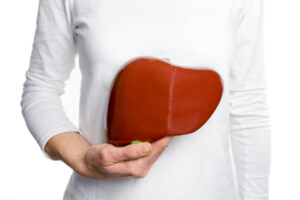
The liver is the second largest organ in the body and it sits under the right-hand side of your ribs. It has over 500 essential functions that help support metabolism and weight balance, immune health, digestion, detoxification, and vitamin storage.

How Does The Liver Become Overburdened?

Your liver is very efficient at detoxification but certain things make it work even harder, such as:

  • Taking several different medications.
  • Some supplements.
  • Recreational drugs.
  • Alcohol.
  • Caffeine.
  • Gut dysbiosis causes more toxins and harmful metabolites to flow to the liver.
  • Leaky gut syndrome.
  • Obesity.
  • Infections like hepatitis can cause liver damage.
  • Iron-loading Disorders like Hemochromatosis.
  • Diets high in refined fats and sugars.
  • Chemical exposure. They are everywhere! In toiletries, make-up, air fresheners, candles, detergents, furniture, and furnishings.


Signs of an Overloaded Liver

We each have a unique response to a sluggish liver. Here are some of the common signs you might notice when it’s time for a gentle liver detox:

  • Fatigue.
  • Poor fat digestion due to low bile production.
  • Weight gain.
  • Nausea.
  • Hot flashes. The liver is responsible for detoxifying our hormones. Sluggish liver function may contribute to hormonal symptoms like hot flashes, mood swings, and premenstrual syndrome (PMS).
  • Irregular periods.
  • Dark urine.
  • Swellings in the legs.
  • Yellow in the whites of the eyes.
  • Skin rashes and itching. Toxins can build up and cause inflammation. Itching could also indicate liver disease, so check in with your doctor.
  • Acne.

Do Liver Detox Supplements Work?

When it comes to supplements you must look past the clever marketing slogans and investigate the ingredients. Check out the brand’s website and look for research that backs up any claims they make for their products. This is important because poor-quality supplements can be harmful and may even cause liver injury.

Many people do not discuss the vitamin or herbal supplements they take with their doctor and presume that natural products will be fine. However many herbs and nutrients interact with medications and may not be safe in combination.

Does Rapid Weight Loss Happen With a Liver Detox?

Many of our Eat Burn Sleep members have lost weight quickly when following the 6-Week Reset plan. This is a gentle and nourishing way to detox your liver and kickstart sustainable weight loss. There are many nutritious foods (and treats) and no calorie counting or hunger pains.

Rapid weight loss liver detox diets composed of very few calories will cause malnutrition and ultimately, weight gain in the long term. They slow your metabolism and do not contain enough nutrients for your body to function healthily.

This is what EBS member Nicky has to say:

“After doing all the prep for the start of my 6-week reset, I was really fired up about getting my health and weight back on track.

Both my partner and I lost 3kgs in the first week!

The cost of the membership is cheaper than a gym membership and you get the monthly Masterclasses as well as an extensive library of movement videos, and weekly recipes.

I would definitely recommend this investment in your health, as the education is invaluable in helping you understand your food choices.”

Eating less does not speed up metabolism. Your body adjusts to the low calories and preserves the calories it gets. When you eat properly again (because let’s face it, calorie-counting diets are unsustainable and downright dull), the weight piles back on.

However, if you live an anti-inflammatory lifestyle that supports healthy liver detoxification, your liver will be healthier going forward. You will be full of vitality and not put your health at risk.

What is a Safe Liver Detox for Weight Loss?

The Eat Burn Sleep program starts with a beautiful, safe reset for the body that detoxifies and unburdens the liver so it can do its job. Our thousands of members have tried and tested the powerful protocol to kickstart excellent health. By week 2, you will feel incredible. By week 6, you feel ready to take on the world!

There are 450+ globally inspired recipes to choose from, plus meal plans, food lists, movement videos, and guided meditations to support healthy relaxation and restorative sleep.

Want to know more? Find out more about our membership options here. Our premium membership includes the Liver Detox Plan, which you can also purchase separately here.

You might also enjoy:

Why Am I Always Hungry?

Low-Calorie Foods for Weight Loss

Is Ozempic a Safe Way to Treat Obesity?

Yours in good health,

Yalda x


Yalda Alaoui is a qualified Naturopathic Nutritionist (with a foundation in Biomedicine) who studied with the College of Naturopathic Medicine in London. She has spent over a decade performing groundbreaking research in chronic inflammation and gut health.

Posted on Leave a comment

How Much Inflammation Affects Weight Loss?

Hi everyone,

Quick Answer: Quite a lot of inflammation and weight gain feed each other in a cycle. Extra weight raises inflammatory chemicals like C-reactive protein, which disrupts insulin function and leptin (your appetite-regulating hormone), making it harder to feel full and easier to gain more weight. Ultra-processed “diet” foods make this worse, since their additives disturb gut bacteria and drive further inflammation. Breaking the cycle means cutting processed foods, avoiding overly intense workouts, staying hydrated, sleeping well, and managing stress, not just cutting calories. 

Are you finding it hard to lose weight? Do those stubborn pounds refuse to budge no matter how carefully you diet or how hard you exercise? In my experience with clients, chronic inflammation is very often the real problem hiding underneath.

In this post, I’ll explain exactly how much inflammation affects weight loss, why the “diet” foods you’ve been reaching for may actually be working against you, and then I’ll share my top 5 tips for losing weight in a way that actually lasts.

What is Chronic Inflammation?

There are two types of inflammation: chronic and acute. Acute inflammation shows up quickly during an injury or illness; think of a broken bone or a high fever with the flu. Once the injury or illness starts to heal, that acute inflammation settles back down.

Chronic inflammation is different. It’s when your immune system keeps producing inflammatory chemicals long after it needs to, often driven by an ongoing illness like cancer or heart disease, or by stress, weight gain, inflammatory foods, or environmental toxins.

In my clinical experience, conditions that commonly feature chronic inflammation include:

  • Crohn’s Disease, Colitis, and Diverticulitis: An anti-inflammatory diet may help reduce flare-ups, improve digestion, and support better gut health for people with these digestive conditions.
  • Diabetes: Healthy eating habits can help stabilize blood sugar levels, improve insulin sensitivity, and lower the risk of diabetes-related complications.
  • Endometriosis: An anti-inflammatory lifestyle may help ease pain, reduce inflammation, and support overall hormonal health in people with endometriosis.
  • Irritable Bowel Syndrome (IBS): Choosing gut-friendly foods can help relieve common IBS symptoms such as bloating, abdominal pain, constipation, and diarrhea.
  • Long COVID: A nutrient-rich, anti-inflammatory diet may help support recovery, reduce fatigue, and improve overall immune function after COVID-19.
  • Migraine: Identifying dietary triggers and eating anti-inflammatory foods may help reduce the frequency and severity of migraine attacks.
  • Psoriasis: Healthy eating and lifestyle changes may help lower inflammation, improve skin health, and reduce psoriasis flare-ups.
  • Thyroid Issues: A balanced diet rich in essential nutrients can help support thyroid function and promote overall metabolic health.

As you can see, chronic inflammation shows up across a huge range of health conditions, which is exactly why it’s so hard to lose weight when you’re dealing with an ongoing health issue. If you don’t address the underlying inflammation first, your body will keep fighting you on shedding weight, no matter how disciplined you are.

How Much Inflammation Affects Weight Loss?

How Much Inflammation Affects Weight Loss

Inflammation and weight have a genuine chicken-or-egg relationship in my experience. Chronic inflammation can cause weight gain, and weight gain can just as easily cause more inflammation. Behind this sits a set of complex metabolic processes:

  • Weight gain triggers hormonal changes that lead to higher levels of inflammatory markers such as C-reactive protein and cytokines.
  • That resulting inflammation hampers insulin function, contributing to elevated blood glucose and a build-up of liver fat, which impedes insulin activity even further and sets off a feedback loop that’s genuinely hard to break on your own.
  • Weight gain and inflammation also disrupt leptin production, the hormone that regulates metabolism and appetite. Reduced leptin throws off satiety signaling in the brain, making it far easier to overeat without realizing it.

How Much Weight Can Inflammation Actually Cause?

This is one of the questions I get asked constantly, so let’s get specific. Inflammation itself doesn’t add “weight” the way food does, but it drives weight gain in two distinct ways, and it helps to understand both.

First, there’s the fluid side: active inflammation causes your tissues to retain water, so you can genuinely see a few pounds on the scale from swelling and fluid retention alone, separate from any actual fat gained. 

This is why some people ask how much inflammation weight you can hold, how much does inflammation weigh, or how much weight is inflammation. The honest answer is that a few pounds of that number can be inflammatory fluid, not fat, and it tends to shift once inflammation comes down.

Second, there’s the metabolic side: through the insulin and leptin disruption I just walked through, ongoing inflammation genuinely drives real fat gain over months and years, not just a one-off fluctuation. So how much weight can you lose by reducing inflammation? In my experience with clients, once the underlying inflammation is addressed alongside diet and lifestyle changes, meaningful, sustained weight loss becomes achievable in a way that dieting alone usually can’t deliver because you’re finally treating the mechanism, not just the symptom.

Can Ultra Processed Foods Cause Inflammation and Weight Gain?

Can Ultra Processed Foods Cause Inflammation and Weight Gain

In 2019, Dr Kevin Hall ran the first-ever randomized controlled trial exploring the effects of ultra-processed foods (UPFs). The study found that people eating a diet of UPFs ate on average 500 calories more per day and gained more weight than when they consumed a diet of unprocessed foods (Hall et al, 2019).

All those heavily marketed “diet” foods are, more often than not, UPFs. They’re rich in artificial sweeteners, emulsifiers, high-fructose corn syrup, flavorings, and thickeners that damage your gut and worsen inflammation.

How does that actually happen? It comes down to the communication between your gut bacteria and your brain. The billions of bacteria in your gut microbiome send messages to your brain based on what you’re eating. When you eat UPFs like diet shakes and ready meals, those gut bugs tell your brain they want more of exactly that. So your brain keeps telling you to eat, even when you’re not truly hungry.

The real problem is that these foods are devoid of nutritional value. They give you calories, and nothing else. No fiber, vitamins, minerals, or phytonutrients. Nothing your body actually needs to thrive.

The chemical additives disturb the balance of good and bad bacteria in your gut. As the bad bacteria multiply, they damage your gut lining, leading to increased intestinal permeability (what you’ve probably heard called “leaky gut“) and widespread inflammation.

And as I mentioned earlier, chronic inflammation is directly linked to weight gain, which is exactly how the weight gain-inflammation cycle gets started.

Top 5 Tips for Lasting Weight Loss

Top 5 Tips for Lasting Weight Loss

So now you understand just how much inflammation affects weight loss, and how bad these diet foods really are for it, here’s what I recommend doing instead. These are my top 5 tips for losing weight in a way that actually lasts:

  • Ditch the inflammatory foods. Steer clear of ultra-processed meals and snacks, diet sodas, energy drinks, candy, doughnuts, chips, and sugary cereals.
  • Stop doing workouts that raise inflammation. This trips up so many of my clients. They assume more or harder exercise is the answer, but grueling workouts spike your stress hormones, and over time, that actually encourages weight gain rather than fighting it.
  • Stay hydrated. Your brain genuinely struggles to tell the difference between hunger and thirst. More often than not, when you reach for a snack, what your body actually needed was a glass of water.
  • Prioritize good sleep. This is such an important and underrated step for sustaining weight loss. I go into exactly why in How Does Sleep Help With Inflammation?
  • Learn to relax. Cortisol, your main stress hormone, programs your body to store fat around your belly. That won’t shift until you genuinely learn how to relax and build resilience to stress. I cover this in more depth in Does Cortisol Cause Weight Gain?

Lose Weight With Eat Burn Sleep

What I love about the Eat Burn Sleep program is that it brings together every element you actually need to tackle inflammation and lose weight for good.

Our meal plans and food lists tell you exactly what to eat. The movement videos show you how to exercise without making inflammation worse, and our meditation guides help you manage stress and keep your cortisol levels in check.

But don’t just take it from me; here’s what our members have to say:

Ingrid says:

“I just wanted to let you know how much of an impact you have made on my life. My weight has always been between 9.7 and 10 stone, and as a result, it’s now been 8st for the last few months. My sister is also a member, and we feel like you are part of the family; you’re the one we go to for advice on almost everything!”

Brooke says:

“I love your ‘soothing workouts’ and all your advice. I also wanted to let you know that when I rejoined last year, I had my physical, and my weight was 172 lbs. My physical last month was 142 lbs. Thank you so much.”

Dina says:

“After just one week of the Six-Week Reset, I have lost 3.5kg. I am thrilled with the result, and I look forward to losing some more!”

Ready to lose weight the easy way? Find out more about our membership options now.

You might also enjoy:

However much inflammation is currently affecting your weight loss, I genuinely believe you can turn it around once you know what’s actually driving it.

Yours, in health, Yalda x

Yalda Alaoui is a qualified Naturopathic Nutritionist (with a foundation in Biomedicine) who studied with the College of Naturopathic Medicine in London. She has spent over a decade performing groundbreaking research in chronic inflammation and gut health.

FAQS

Does inflammation cause weight loss, or weight gain? 

Almost always weight gain, not loss. In rare cases, severe inflammatory illness can cause weight loss instead, through appetite suppression or the body burning through reserves fighting infection, but for the vast majority of people dealing with everyday chronic inflammation, gradual weight gain is the far more common pattern.

How much weight does inflammation cause, exactly? 

There’s no fixed number, since it depends on how long the inflammation has been present and how it’s affecting your individual hormones. But between fluid retention and the metabolic disruption to insulin and leptin, it’s genuinely common for clients to see it add up to noticeable, stubborn pounds that don’t respond to diet or exercise alone until the inflammation itself is addressed.

Does inflammation weigh anything on its own? 

Not directly; inflammation is a biological process, not a substance with its own weight. What you’re feeling on the scale is the water retention and metabolic knock-on effects it causes, not the inflammation itself.

How much weight do you gain from inflammation over time? 

This varies hugely person to person, but in my experience, clients with long-standing untreated inflammation often carry a slow, steady weight gain over years that they can’t explain through diet or activity changes alone, which is usually the clue that inflammation, not willpower, is the real driver.

How much weight can you lose on anti inflammatory diet? 

Results vary by individual, but many of our EBS members see steady, sustainable loss once inflammation comes down and their metabolism starts working with them instead of against them. Ingrid, Brooke, and Dina’s results above are genuine examples of that.

Posted on Leave a comment

Low-Calorie Foods for Weight Loss

Hello Everyone.

Do you want to lose weight and not feel hungry all the time?

Are you looking for low-calorie foods for weight loss?

This post is for you. I’m going to share 5 important things about branded low-calorie foods so you can understand exactly what they do to your body. Then, I’m going to show you some higher-calorie meals that are even better for weight loss so you can decide what to eat to lose weight.

Let’s start with the 5 important things you need to know about branded low-calorie foods.

1. Beware of Marketing. Selling Matters More Than Your Health.

2. Most Low-Calorie Foods Should Carry a Health Warning!

3. Most Low-Calorie Foods Will Lead to Even Greater Weight Gain

4. Don’t Count Calories for Weight Loss

5. Low-Calorie Foods for Weight Loss Lead to Misery

1. Beware of Marketing. Selling Matters More Than Your Health.

I started researching low-calorie products and a quick online search led me to ‘low-calorie crackers’. The first one to come up was a sweet chili flavor rice cracker with 106 calories per 25g. That’s about 6 crackers. The marketing focus is on the calories as they are written in big bold type on the label, the same size as the logo.

The label for these crackers tells you they are ‘baked not fried’, 93% fat-free, gluten-free, and are a healthy, delicious low-fat snack.

Here are the ingredients:

Rice (84.5%), Rice Bran Oil (Contains Antioxidant: Soy Tocopherols), Sugar (4.3%), Salt, Milk Powder, Hydrolysed Soy Protein, Tomato Powder, Garlic Powder, Yeast Extract, Soy Sauce Powder (Soy, Rice, Salt), Onion Powder, Acidity Regulators: Calcium Lactate, Sodium Acetates, Citric Acid, Malic Acid, Flavor Enhancers: Disodium Guanylate, Disodium Inosinate, Vinegar Flavor, Maltodextrin, Paprika Powder (0.1%), Chilli Powder (0.1%), Colouring: Paprika Extract, Anticaking: Silicon Dioxide, Antioxidant: Soy Tocopherol, Capsicum Extract.

Do these ingredients sound healthy to you? Do you have them in your store cupboard? Why does a simple cracker need to contain so many chemicals? The answer, of course, is that these crackers are an ultra-processed, highly addictive food.

Young female doctor consulting overweight woman in clinic

2. Most Low-Calorie Foods Should Carry a Health Warning!

Ultra-processed foods like this are riddled with enhancers, stabilizers, emulsifiers, and other additives. These chemicals damage your gut microbiome and cause gut dysbiosis (Song et al, 2023).

Gut dysbiosis leads to chronic inflammation, which causes obesity!

It’s no coincidence that ultra-processed foods are big business, and obesity and diseases are on the rise. Over 1 billion people in the world are obese. That includes 650 million adults, 340 million adolescents, and 39 million children!

3. Most Low-Calorie Foods Will Lead to Even Greater Weight Gain

The bad bacteria that cause obesity love these acidity regulators, flavor enhancers, and anticaking agents. They will let your brain know that they want more of this rubbish so that they can survive and wipe out your good bacteria. This is why ultra-processed foods become addictive.

These chemicals confuse the brain’s hunger-reward system. They trick you into thinking you are eating something healthy, and your body searches for fiber, vitamins, and minerals. Because these foods are nutritionally deficient, your brain tells you to keep on eating, in the hope that you will find the nutrients you need. Ultra-processed food is wiping out our natural eating habits, and the body is starving.

This is why obesity is on the rise. These chemicals are in all low-calorie, marketed foods. Bodies are getting bigger, and malnutrition is getting greater. 

But when you eat real food filled with fiber, vitamins, minerals, and phytonutrients, your body knows how to utilize it. You don’t feel constantly hungry with a nutrient-rich diet. And more importantly, you won’t become obese and inflamed.

Fat woman., Shape up healthy stomach muscle, and diet lifestyle, to reduce belly concept.

4. Don’t Count Calories for Weight Loss

The ultra-processed low-calorie rice crackers state that they are 424 kcal per 100g.

We don’t count calories here at Eat Burn Sleep, but look at what you can eat for the same number of calories as these crackers:


A tray of chicken bites coated in anti-inflammatory ingredients, sprinkled with herbs

A serving of our chicken nuggets @ 200g = 310 kcals.

Two glasses with coconut yogurt and strawberries on top. Mint at the side.

A serving of our Summer Pudding, 113.2 kcals.


A bowl of Thai red curry with red and green vegetables.

Our Red Thai Vegetable Curry 217.4 kcal

Plus:

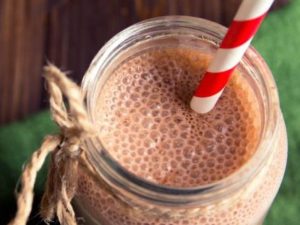
A glass of a chocolatey-looking protein shake made with cacao, with a red and white straw in it.

Anti-craving Chocolate Shake 92kcal

Plus:

A plate with a burger and salad on it, with a dip on the side with an orange napkin and knife and fork.

Moroccan Burger 204.4 kcal

Plus:

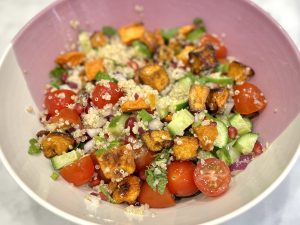
A bowl of salad with tomatoes, quinoa, butternut squash and other vegetables in a pink and cream bowl

Butternut Squash & Quinoa Salad 268.4 kcal


You could use the same number of calories (or fewer!) and enjoy easily digested, genuinely healthy food that will help you lose weight and make your brain and body happy.

More importantly, look at the superpower nutrients you are putting inside your body in these quick and easy recipes:

  • Vitamins A, B1, B2, B3, B5, B6, B12, biotin, C, D, E, K, and folate.
  • Minerals like calcium, copper, iron, magnesium, manganese, phosphorus, potassium, selenium, sulfur, and zinc.
  • Fiber to support your gut microbiome.
  • Omega 3, the essential fatty acid that helps manage inflammation.
  • All 9 essential amino acids that your body uses as building blocks for protein.
  • Anti-inflammatory, antioxidant polyphenols from colorful plant foods.

This is why EBS members are putting their weight issues and inflammatory conditions into remission and enjoying one of life’s joys: Eating delicious food. Just like Natasa:

“Since joining the platform 3 weeks ago, I have lost 3kg, and my bloating is gone.

I have bilateral patellofemoral osteoarthritis (severe pain in both knees) and the pain is now much less. I feel like I can finally start doing movement videos that I previously couldn’t do because of my knee pain.

Also, all your recipes are so tasty. Thank you so much.”

Woman having great happy life, jumping for joy on the beach

Eating this way will fill you up and allow your body to function as it should. It will make your skin glow, your hair grow and shine, your eyes sparkle, and, without a doubt, make you feel full of joie de vivre!

Remember that when your gut is well-fed, your brain is too. Healthy gut bacteria regulate mood balance and our “happy” neurotransmitters like serotonin. Are there many diets out there that can say the same?

5. Low-calorie foods for Weight Loss Lead to Misery

Following a low-calorie diet and counting calories all the time will lead to misery.

Weight loss diets gain popularity because people do lose weight at the beginning. Any weight loss regime is the same, whether it is the keto diet, a low-carb diet, or a low-calorie diet.

But keeping the weight off is the challenge. I know because I have tried most of these diets myself. Have you read Is Ozempic a Safe Way to Treat Obesity?, The Dangers of a Vegan Keto Diet or Is The Keto Diet Good For Diabetes?

When you eat low-calorie, nutrient-poor foods, your body is not satiated. The chances are you will think about food all day long because you are starving yourself of essential nutrients that you need to survive.

When you binge because you are so hungry, your body will hold onto that binge food because it worries that you will starve again. And this is how yo-yo dieting starts. Starve and binge. Weight loss and then even more weight gain.

Over time, the chronic inflammation that comes from eating ultra-processed low-calorie foods leads to weight gain, digestive problems, anxiety, brain fog, and depression. It can increase your risk of Alzheimer’s, and Parkinson’s Disease. Packing your body full of these chemicals is making your mind and body ill.

Young Asian lady celebrating her achievement, successful in slimming

What to Eat to Lose Weight

If you are looking for weight loss that lasts, I suggest you stop counting calories and stay away from ultra-processed low-calorie foods. It doesn’t work as a weight loss strategy, and it is dangerous, unsustainable, and boring!

Instead, give your body the nourishment it needs to feel energized and shed weight – just like EBS member Helen has done:

“I shed 10 pounds (4 and a half kg) following the Six Week Reset.

I feel so much more balanced and lighter inside and out, plus some digestive issues have disappeared.

The EBS approach is considered gentle and scientifically backed. I’m actively trying to maintain my now thriving gut health ‘garden’ as much as I can, limiting the damage it does in social eating situations.

I’ve never been a great cook, but I find the recipes so easy and filling. My favorites so far are chicken nuggets, zucchini bread, and chicken sausage shakshuka.

Plus, there are options for those of us with a sweet tooth or who can’t face savory protein for breakfast, which doesn’t happen on many healthy eating plans. Thank you, Yalda!”


Ready to lose weight and never feel hungry again? Find out more about our membership options now.

You might also enjoy:

Why Am I Always Hungry?

Best Exercise to Lose Belly Fat

Is AG1 Supplement Good For You?

Make every day count in terms of health and happiness. I hope your day is full of both.

Yalda x


Yalda Alaoui is a qualified Naturopathic Nutritionist (with a foundation in Biomedicine) who studied with the College of Naturopathic Medicine in London. She has spent over a decade performing groundbreaking research in chronic inflammation and gut health.

Posted on Leave a comment

Why Am I Always Hungry?

Hi Everyone,

Are you always hungry and never feel full? Feeling constantly hungry can be confusing and frustrating, especially if your doctor is advising exercise and weight loss.

Maybe you’re exercising a lot and not losing weight. Maybe you’re eating low calorie foods that never fill you up.  Or maybe you graze all day and just want to know why your appetite is never satisfied.

In this post, we will explore a huge factor contributing to excessive hunger, and I will tell you how to fix it!

Can’t Stop Eating All Day?

Why Do I Never Feel Full and Am Always Tired?

Diet Affects Sleep

How Sleep Affects Metabolism

How Can You Improve Your Sleep?

Can’t Stop Eating All Day

There are several reasons why you can’t stop eating all day:

  • You are not eating or absorbing enough nutrients. Every day, your body needs a certain amount of protein, carbohydrates, fats, vitamins, and minerals. If you are not eating enough, or have digestive problems that affect nutrient absorption, you will still feel hungry. This is your body telling you that it needs more nutrients. Our food lists are designed to provide all the nutrients you need and our meal plans will help you feel satisfied and full.
  • Emotional eating. Are you bored, stressed, or locked into unhealthy habits? I share tips on how to deal with Emotional Eating in the Masterclass Lives series.
  • Eating too quickly. Take time to enjoy your meals. Sit at a table away from your desk or the sofa and switch off the TV. Listen to calming, relaxing music if you don’t like silence. Put your phone out of reach while you eat. And most importantly, chew each mouthful thoroughly as this helps your stomach to know when it is full.

  • You are not getting quality sleep! This can easily make you feel hungry all the time. Let’s find out why sleep is so important for feeling full.


Why Do I Never Full and Always Feel Tired?

If you have had medical conditions ruled out by your doctor and you can’t stop eating and feel tired all the time, you are most likely not getting enough sleep.

Several things happen when you don’t get enough sleep:

  • Your gut microbes can’t carry out their nightly “gut housekeeping” activities to maintain a healthy digestive system.
  • Cortisol levels rise. This helps your body handle the stress caused by lack of sleep but it also disrupts blood sugar balance, digestion, and gut bacteria.
  • Human Growth Hormone (HGH), which keeps lower body fat levels, is dysregulated.
  • You produce more of the hunger hormone, ghrelin, and less of the fullness hormone, leptin. No matter what you eat you don’t feel full!
  • You feel tired and less able to exercise so you have less energy expenditure. All those extra calories lead to more weight gain.
  • You have less resistance to oxidative stress, which increases chronic inflammation.


How much sleep do I need?

Experts recommend between 7 and 9 hours of sleep for an adult.

There is a rare collection of people with a specific gene (1% of the population has DEC2) that can survive on 6 hours of sleep. But this is a very rare gene and the majority of adults need 7-9 hours of sleep to stay healthy.

 

Diet Affects Sleep

Firstly, lose the ‘diet’ mindset and embrace ‘nutrition’ instead.

These days, people have diets with a lot of processed carbohydrates, fats, and protein but are not getting the vitamins and minerals essential for health.

We can have bigger bodies but be starving on the inside – which will not help us sleep. If you have the right vitamins and minerals, you are full. When your body is satisfied nutritionally, you are more likely to sleep better.

Not having enough of the right nutrition could cause insomnia, which puts you in a spiral of sleep deprivation and undernourishment. This cycle makes your body more susceptible to chronic inflammation and disease.


How Sleep Affects Metabolism

Our bodies run on a circadian rhythm – an internal 24-hour clock. We have rhythms and patterns for sleep, movement, concentration, digestion, cell repair, brain function, and more!

When we live in harmony with these rhythms, we give ourselves the best chance of being healthy. But when we stay up late staring at screens, snacking on junk food, and not getting enough daily movement or daylight then we disrupt this rhythm and trigger health problems.

If you don’t give yourself the opportunity for 7-9 hours of sleep each night, you disrupt your internal body clock. Studies show that sleep deprivation leads to metabolic dysregulation. This presents as weight gain (usually around the belly), food cravings, poor blood sugar regulation, and inflammation. Chronic sleep deprivation is recognized as a significant contributor to the rise of type 2 diabetes – and it can be avoided.


EBS Members

Check out the article on Insomnia in the Personalized Advice section. Remember that on the 15th of every month, we bring you a new comprehensively researched article in the Personalized Advice section. Do get in touch if there is a specific condition you would like to see us cover. 


How Can You Improve Your Sleep?

The first step is to look at your diet. The Eat Burn Sleep anti-inflammatory diet and lifestyle is proven to optimize mental and physical health and promote sound, quality sleep.

This is what EBS member Jocelyn has to say about the program:

“I’ve suffered insomnia since February and I’ve tried everything under the sun, all the medications, acupuncture, Traditional Chinese Medicine, and nothing worked until my friend introduced me to EBS. It’s been a bit less than 3 weeks and I’ll admit I have cheat days… and my sleep is back to 70%.

I see it as a silver lining as I had never heard of chronic inflammation before, so this 2 month’s insomnia experience has made me a lot more health-conscious and opened my eyes to so many things!”

Our food lists and meal plans ensure you never feel hungry and get all the nutrients you need. You will never be reaching for food all day long again!

And, our Movement Videos and Meditation Guides will help you move each day and relax properly, ready for a good night’s sleep.

Here are a couple of teaser dishes to get you inspired:

Savory Rosemary & Chives Paleo Bread Rolls

Slow Cooker Oxtail & Vegetables.


Want to know more? You can check out our membership options here and find more sleep talk in:

What Happens If You Don’t Sleep

Weight Loss & The Link to Sleep

The Benefits of Sun Exposure.


I wish you excellent health and a great day,

Yalda x


Yalda Alaoui is a qualified Naturopathic Nutritionist (with a foundation in Biomedicine) who studied with the College of Naturopathic Medicine in London. She has spent over a decade performing groundbreaking research in chronic inflammation and gut health.

Posted on Leave a comment

Is Ozempic a Safe Way to Treat Obesity?

Hi Everyone,

I hope you are well. Today, I want to talk about the diabetes drug Ozempic. It’s one of the big social media topics at the moment because people are using it for weight loss.

However, there are significant health risks to taking prescription medicine for a health condition if you don’t have that condition and without your doctor’s approval. People are buying Ozempic from online pharmacies and unregulated websites, leading to a shortage of the drug for diabetics who desperately need it.

So let’s dive into this topic and see whether Ozempic is a safe way to treat obesity and weight loss, and what the natural alternatives are.

What is Ozempic?

Side Effects of Ozempic

Is Ozempic Dangerous for Weight Loss?

Can Ozempic Affect Fertility?

Long-Term Effects of Weight Loss Injections

Does Lack of Sleep Cause Weight Gain?

Is Obesity a Chronic Disease?

How to Manage Obesity Naturally

What is Ozempic?

Ozempic is one of the brand names for semaglutide, a glucagon-like peptide 1 (GLP-1)  receptor agonist. The other well-known brand name is Wegovy.

In 2017 the FDA approved the use of Ozempic as an adjunct to diet and exercise to improve glycaemic control in adults with Type 2 Diabetes. It helps diabetics feel full and reduces their appetite but it is important to note that Ozempic isn’t approved as a weight loss medication.

On the other hand, Wegovy (also semaglutide) is approved as a weight loss drug. However, neither Ozempic nor Wegovy are designed to be used by people who only want to lose a small amount of weight.

Side Effects of Ozempic

Any doctor will tell you that medication has side effects. Doctors weigh up the pros and cons of a medication based on your medical history and the potential benefits to your health. Ozempic is only for patients with Type 2 Diabetes and must be used under medical supervision. It is not meant to be a temporary drug or for people who want to lose a few pounds.

The common side effects, according to Ozempic’s official website are:

  • Nausea
  • Vomiting
  • Stomach pain
  • Acid reflux
  • Headache
  • Dehydration
  • Diarrhea
  • Dizziness
  • Cramping
  • Constipation


These side effects can kick in within hours of Type 2 diabetics starting the drug which is why the dosage is gradually increased under medical supervision.

There is also a warning about the risk of possible thyroid tumors, including cancer. GLP-1 receptor agonist drugs like Ozempic are known to cause thyroid C-cell tumors in rodents. The manufacturers of Ozempic say that the risk of this happening in humans is as yet “undetermined” and only time will tell now that more people are using the drug.

They also warn against using Ozempic if:

  • You or anyone in your family have ever had Medullary Thyroid Cancer (MTC) or Multiple Endocrine Neoplasia type 2 (MEN 2)
  • You are allergic to any of the ingredients in Ozempic. Severe hypersensitivity reactions (anaphylaxis, angioedema) have been reported in patients treated with Ozempic.

They then list even more severe potential side effects:

  • Inflammation of your pancreas (pancreatitis). Their website states that you should stop taking Ozempic if you have severe pain in your stomach, with or without vomiting. Ozempic has not been studied in patients with a history of pancreatitis.
  • Vision changes.
  • Low blood sugar (hypoglycemia).
  • Kidney problems (kidney failure). As stated on their website, there have been post-marketing reports of acute kidney injury and worsening of chronic renal failure in patients treated with GLP-1 receptor agonists. Some of these are reported in patients with no known underlying renal disease. Most reported events occurred in patients who had experienced nausea, vomiting, diarrhea, or dehydration.
  • Serious allergic reactions.
  • Gallbladder problems.

This is why you need to be under medical supervision if you take Ozempic or Wegovy. Doctors who understand the physiology of semaglutide and know your medical history should be the only people prescribing these drugs.


Is Ozempic Dangerous for Weight Loss?

As I’m sure you’ve realized by now, the risks of taking Ozempic for weight loss are not worth it.

One final point about side effects: Medicine.gov lists all of the precautions about semaglutide, the ingredient in Ozempic, and has added:

You should know that your mental health may change in unexpected ways, and you may become suicidal while you are using semaglutide injections for weight loss.

Why put your health at such serious risk when there are easier ways to lose weight? Also, when you stop using the drug, the weight piles back on. It is not a long-lasting, sustainable solution.

To achieve lasting, healthy weight loss results, you need to abandon the idea of a “magic pill” and embrace holistic health.

Weight loss isn’t just a simple matter of cutting calories. It requires knowing what to eat, how to move, and how to deal with negative thoughts that sabotage your weight loss efforts.

This is what the Eat Burn Sleep platform is about. We have food lists, meal plans, movement videos, guided meditations, health Masterclasses, and more, all designed to support you on your weight loss journey.


Can Ozempic Affect Fertility?

No one knows yet if Ozempic affects human fertility or pregnancy, but the manufacturers advise stopping the drug two months before a planned pregnancy.

Animal studies reveal why. In a combined fertility and embryo development study using rats, small doses were given to male and female rats before mating. The offspring had reduced growth and fetal abnormalities in heart and blood vessels, cranial bones, vertebrae, and ribs. In studies using rabbits, pregnant rabbits experienced early pregnancy losses along with increased fetal kidney, liver, and skeletal abnormalities.


Long-Term Effects of Weight Loss Injections

Your doctor will advise you about all the effects of weight loss injections.

Studies show that stopping weight loss drugs, injections, and other weight loss regimes will likely lead to regaining weight within a few months. It stops intuitive eating, so you do not know when to eat and when you are full, which also affects other areas of your health, like sleep.


Does Lack of Sleep Cause Weight Gain?

Yes! Not getting enough good quality sleep will hamper weight loss. Sleep is essential for your body to regulate hunger hormones and appetite. Lack of sleep makes you prone to cravings, overeating, and fatigue. I talk about this topic more in Weight Loss & The Link to Sleep.


Is Obesity a Chronic Disease?

Obesity is a chronic inflammatory condition that can be managed naturally and safely without injections and extreme weight loss regimes. Millions of people struggle with obesity because of highly addictive ultra-processed foods that promote weight gain and inflammation. It takes more than an injectable drug to deal with this issue, which is why we have so many weight loss success stories here at Eat Burn Sleep.

Weight loss can occur quickly on EBS – and it lasts. The only side effects are more energy, comfortable digestion, no cravings, and excellent mental well-being! This is why our program is used and recommended by doctors and medical professionals all over the world.

But don’t just take my word for it. Check out our members’ reviews from people like Kirstin:

“The movement videos really help my energy levels. My immune system has improved, less of the dreaded colds.

Working with young kids I’m constantly surrounded but I’ve been on top form the last year and fought off anything relatively quickly.

Gobsmacked at how quickly I got pregnant as I wasn’t even sure it was even possible.

My skin is clear and fresh not to mention the weight loss of 15kg and rediscovering my wardrobe! My mental health has improved too!”


How to Manage Obesity Naturally

Optimum gut health is the foundation of the EBS approach. It is essential for weight loss because the microbes in your gut regulate appetite and weight balance. Gut microbes can be modulated positively or negatively by different lifestyle and dietary factors and can even ‘turn off’ any hereditary links to obesity (Cuevas-Sierra et al., 2019).

Our food lists and meal plans are designed to nourish your gut flora and keep you energized and satisfied. Snack options are included if you want to snack but the meals are so filling you probably won’t want to!

Try these recipes that aid weight loss (when eaten as part of a varied anti-inflammatory diet, daily): Egg Muffins: Sweet Potatoes, Carrots & Chives, Paleo Energy Bars, and Chicken Tagine With Preserved Lemons.

You will be amazed at the transformation!

Take a look at the program and check out our membership options now.

You may also want to read:

Why Am I Always Hungry?

How to Lose Weight For and During Holidays

Best Exercise to Lose Belly Fat Quickly

As always, I wish you excellent health and a wonderful day!

Yalda x

Yalda Alaoui is a qualified Naturopathic Nutritionist (with a foundation in Biomedicine) who studied with the College of Naturopathic Medicine in London. She has spent over a decade performing groundbreaking research in chronic inflammation and gut health.