Gut bacteria are at the heart of Eat Burn Sleep, as it is the key to health. By manipulating gut bacteria to a rich diversity through what we eat, how we live, breathe, move, de-stress, and sleep, for instance, we can live healthier lives.
If we don’t have a good diverse gut bacteria, dysbiosis occurs.
Dysbiosis (gut bacteria issues) can be obvious, with digestive issues like IBS, bloating, and so on, but they can also be evident in chronic inflammatory conditions. Gut bacteria imbalance can trigger autoimmune diseases, too.
If gut health is compromised and gut bacteria loses its diversity, chronic inflammation occurs. Chronic inflammation is a dysregulated immune system.
The key is to avoid gut health issues and improve gut health. This will reduce chronic inflammation.
Enjoy the gut health and anti-inflammatory lifestyle articles, movements, and recipes at Eat Burn Sleep.
Heightening the Risk of Inflammatory Bowel Disease
Hello Everyone! A Danish study wanted to determine if dosing and timing of antibiotics were important factors in the development of IBD.
More than 6.1 million individuals were included in the study derived from medical data ranging over 18 years, and the results showed that another critical factor increased the risk.
This article delves into why the side effects of antibiotics are linked to Crohn’s and ulcerative colitis, how age is associated with the likeliness of diagnosis, and how you can treat your IBD in the most effective, safest way.
If you are new to Eat Burn Sleep, many factors play pivotal roles in inflammatory bowel disease development. There are many ways to put it into remission, which are all included on this platform.
Side Effects of Antibiotics at Any Age
In the study (Faye et al. 2023) determining whether antibiotics were factors in the development of IBD, individuals had to satisfy specific criteria, and they ranged from 10 years old upwards, with no previous diagnosis of IBD—the years from January 2000 until December 2018 were studied.
The study found that frequent use of antibiotics prescribed for gastrointestinal infections was associated with a 50% higher risk of developing inflammatory bowel disease in adults over the age of 40.
However, it also revealed that antibiotic use at any age, including 10 years old and upwards, increased the risk of developing Crohn’s disease and ulcerative colitis.
Each added course of antibiotics over the years from January 2000 until December 2018 created additional risk – the highest risk is seen after 1-2 years following antibiotic courses.
Can You Get IBD at Any Age?
Yes, inflammatory bowel disease can develop at any age, and antibiotic exposure has been associated with a higher risk of diagnosis. The study showed the percentage of individuals who would be more likely to be diagnosed with IBD was:
28% for 10 – 40 years old
48% for 40 – 60 years old
47% for those over 60.
Why Do You Have Crohn’s Disease?
Please explore this platform to delve into the cause of Crohn’s disease and, indeed, become a member to put your Crohn’s disease into remission. Antibiotics may be one of several contributing environmental factors.
The study mentioned above revealed that the risk of developing Crohn’s disease after a course of antibiotics was:
40% for individuals aged 10 – 40 years old
62% for 40 – 60 year olds
51% for those over their 60s.
Each course of antibiotics added an additional 11%, 15%, and 14%, respectively.
The figures were slightly lower for the risk of developing ulcerative colitis but still as significant.
The outcome showed that anyone at any age who has had five lots of antibiotic courses or more was twice as likely to develop an inflammatory bowel disease than someone who has not been on antibiotics.
Can antibiotics cause Crohn’s disease?
Current research suggests antibiotics may increase the risk in susceptible people by disrupting the gut microbiome, but they are unlikely to be the sole cause.
Can antibiotics cause ulcerative colitis?
Studies have found an association between repeated antibiotic use and an increased likelihood of developing ulcerative colitis, particularly in older adults.
What Are the Side Effects of Antibiotics?
Antibiotics change the microbial environment in the gastrointestinal tract, decreasing diversity and increasing susceptibility to disease development.
Our gut microbiota, which we carry around 4-5lbs of in our gut, changes continuously. It is home to an array of microorganisms that consist of bacteria, fungi, protozoa, and viruses. They are paramount to our health.
Our microbiota is made up of our genes, food, drink, and what we are exposed to.
Everything we eat and drink will feed the good or harmful bacteria or wipe out all the good.
This includes everything around us. The air we breathe, how we live and eat, and even our thoughts. Stress can influence the gut microbiota through the gut-brain axis.
Many aspects of our lifestyle influence our gut microbiota.
Everything our gut microbiota does affects us.
This includes aging.
Age impacts our microbiota.
It was found that aging adults have decreased Bifidobacterium in their gut, also seen in IBD patients.
Age-related changes like lifestyle factors can be made worse by antibiotic use, which depletes microbiota diversity, increases candida and thrush, and can have long-term effects.
Recovery of the gut microbiome can occur within weeks for some people but may take many months in others, particularly after repeated antibiotic use or in older adults.
Can Too Many Antibiotics Make You Sick?
Gut microbiota is affected by antibiotics, medication, drugs, sickness, and stress.
So, the antibiotics cause gut dysbiosis, which is linked to chronic inflammation and IBD: Crohn’s, Colitis, and Diverticulitis, as well as other chronic inflammatory diseases.
So, you can imagine that repeat prescriptions over a period of time limit microbiota recovery.
Children are still at risk of developing IBD after antibiotics, but much less. The slow and limited recovery that comes from aging, combined with repeated dysbiosis (unbalanced gut microbiota diversity) from the antibiotics, puts a person over 40 in a perpetual state of susceptibility to disease.
Antibiotic use is considered one potential environmental trigger that may contribute to the development of Crohn’s disease and ulcerative colitis in susceptible individuals.
Which Antibiotics Trigger IBD?
All antibiotics and medications cause microbiota diversity and metabolic changes. The overgrowth of pathogens occurs, and antibiotic-resistant bacteria multiply, for instance.
Antibiotics can wipe out all the good bacteria, leading to inflammatory diseases and immune dysregulation. 70% of immune cells reside in your gut, you see.
So, by using antibiotics to fight an infection, you are actually making your body more susceptible to disease and viruses.
Although antibiotics are essential for treating bacterial infections, they can temporarily disrupt the gut microbiome while eliminating disease-causing bacteria.
This also highlights how medication can cause chronic inflammation and reduced immunity through gut dysbiosis and how repeated antibiotic exposure may contribute to antibiotic resistance and repeated disruption of the gut microbiome.
Gut microbiota is imperative to human health and can be disrupted by many lifestyle factors, antibiotics, and medication.
It is constantly changing.
It can be changed positively to an optimal state as our environments allow.
Resetting your system starts here. Our Six-Week Reset enables you to recover from antibiotic use and dysbiosis, regardless of age.
The Six-Week Reset is designed to support gut health, reduce dietary drivers of inflammation, and encourage the restoration of a healthier gut microbiome. By helping to lower inflammation and improve overall metabolic health, many people experience increased energy, enhanced mental well-being, improved digestive health, and sustainable weight loss, while feeling healthier both inside and out.
I would suggest that in addition to week 1 advice, follow the advice that I share for Candida Overgrowth for more recommendations to reduce bacterial overgrowth.
It’s a powerful protocol for resetting your health and taking control of your IBD, reducing Crohn’s and colitis triggers.
It takes 21 days to revive your mind and body and 42 to feel absolutely incredible!
Then, you maintain your lifestyle with 450+ microbiota-loving recipes, keeping you in tip-top health, having what you like now and again, which will keep you happy.
The platform has amazing craving hacks, but remember, it is not about perfection. Follow the EBS method 80% of the time. Have those foods and drinks that you love, too.
Nothing is cut out 100% (keeping the bacteria), which keeps many people feeling unrestricted.
Aiming for an 80/20 mindset most of the time allows you to dip to 70/30 and sometimes 60/40. You just jump back when you can. It is all about damage limitation, and it works!
The wonderful thing is that you feel it, and as you get to know your body more through the marked changes that Eat Burn Sleep promotes, you are more likely to be on this IBD and chronic disease-reducing lifestyle effortlessly.
Incremental changes over a year make a massive difference.
Plus, your gut microbiota won’t want those trigger foods one day.
It’s hard to believe right now, but it’s true! It’s amazing. Don’t just take my word for it; check out the testimonials.
Remember to go easy on yourself, and have a wonderful day.
Why You Feel Like Crying for No Reason (Even When Life Is Good)
Hello everyone,
It doesn’t matter who you are, your age, or how resilient you think you are; we all cry, and we all need to cry. It’s an essential release for grief, sadness, stress, anger, happiness, sentimentality, and plain tiredness.
But sometimes you feel like crying for absolutely no obvious reason, and it can leave you wondering what on earth is going on with you.
I hear this constantly from clients: they tell me they have a genuinely good life, close friends, a loving family, and good health, and they’re baffled that they still burst into tears out of nowhere. If that’s you, I want to walk you through one of the biggest, most overlooked reasons this happens.
Why Do I Feel Like Crying For No Reason?
First, if you often feel like crying and can’t explain why, you are not alone, and it’s far more common than people admit. In my experience, it tracks closely alongside poor gut health and inflammation. I talk a lot about the two-way link between your brain and your gut; it’s essentially a superhighway of nerves running constantly between the two, transmitting information in both directions.
Your gut isn’t the only possible cause. Stress, poor sleep, hormonal shifts (such as PMS or perimenopause), low blood sugar, burnout, anxiety, or low mood can all make you tearful, and they often feed into each other. If it’s frequent or you feel low most days, please speak with a doctor or therapist.
How Does Gut Health Affect Mood?
Your gut microbiome is home to over 100 trillion microorganisms, and one of their many jobs is producing the neurotransmitters that regulate your mental health, including:
Serotonin:often called the happy hormone
Dopamine:your pleasure and motivation hormone
GABA:for calming an overactive mind
Melatonin:your sleep hormone
When your gut can’t produce these in the right amounts, because of inflammation or an overgrowth of unfriendly bacteria, your emotions take the hit. In my clinical experience, this is one of the most under-discussed causes of unexplained tearfulness.
What Affects Gut Health?
A few things I see disrupting gut health again and again in my clients:
Stress the single most common cause of gut problems I encounter. Chronic stress disrupts every stage of digestion and throws gut bacteria out of balance (gut dysbiosis).
Antibiotics don’t discriminate between good and bad bacteria, so if you’re on them now or have a history of frequent use, it’s worth actively supporting your gut health.
Poor sleep
Over-exercising
Alcohol
Poor dietary choices:gut bacteria are genuinely sensitive to sugar, artificial sweeteners, additives, emulsifiers, and other ingredients common in ultra-processed foods (UPFs).
So next time you feel like crying and can’t explain why, I’d encourage you to look at your gut first. It might be time for a microbiome reset.
Why Do I Feel Like Crying After Every Meal?
This is something I get asked about almost as often as the “no reason” crying, so let’s address it directly, because it deserves its own explanation. Short answer: eating switches on your vagus nerve, shifts your blood sugar, and can stir up emotion or discomfort, and any of these can tip a sensitive person into tears.
If you find yourself tearing up while eating, or feeling weepy shortly after a meal, there are a few genuine physiological reasons this happens:
Your vagus nerve fires up the moment you start eating. This is part of your body’s “rest and digest” response, and in people who are more sensitive to this shift, it can trigger an emotional release that feels completely disconnected from anything you were thinking about.
Blood sugar swings. A meal that’s high in refined carbs or sugar causes a sharp rise and fall in blood sugar, and that crash can genuinely trigger low mood, tearfulness, or irritability within an hour or two of eating.
Digestive discomfort. Bloating, reflux, or a food sensitivity flaring up mid-meal can create a physical discomfort that your brain interprets as emotional distress, especially if the gut-brain link is already out of balance.
Association and memory. Meals carry a lot of emotional weight; shared family meals, past relationships with food, or simply the vulnerability of slowing down and being with your own thoughts can bring feelings to the surface. Even a favorite or comforting meal can make you tear up through nostalgia, relief, or gratitude.
I want to be honest with you here: if crying when you eat happens often, feels distressing, or is tied up with how much or how little you’re eating, please don’t just push through it alone. That combination is worth talking through with a doctor, therapist, or nutritionist, since it can sometimes point to something that deserves proper support rather than a quick fix.
For most people, though, the explanation really is this simple: your gut-brain connection is working overtime during digestion, and a rocky gut microbiome or a blood sugar crash is enough to tip you into tears.
How Gut Health Affects Sleep and Mood
Serotonin isn’t just your “happy hormone”; it’s also a direct precursor to melatonin, your sleep hormone. This is exactly why poor gut health can hit both your mood and your sleep quality at the same time.
It’s easy to end up in a vicious circle here: poor gut health disrupts sleep, and poor sleep disrupts gut health right back. Both of them, individually or together, can leave you feeling like crying for no reason. The fix, in my experience, is working on both at once; improving gut health while upgrading your sleep habits creates a positive spiral that gets you back to emotional stability far faster than tackling either one alone.
What Is the Best Diet for Mood Balance?
I always push for a lifestyle change over a “diet,” because how you move and think affects your gut just as much as what you eat does. My own approach is built around an anti-inflammatory lifestyle that includes:
Foods that support blood sugar regulation and a healthy gut microbiome.
Genuinely anti-inflammatory foods.
Foods that supply brain nutrients like omega-3s, B vitamins, and antioxidants.
Gentle daily movement.
A positive mindset.
Daily relaxation and stress management.
A balanced gut microbiota lowers chronic inflammation and genuinely supports mental well-being. It might sound surprising the first time you hear it, but the same gut bacteria that can lift your mood can just as easily tip it the other way when they’re out of balance. It’s also why gastrointestinal conditions likeIrritable Bowel Syndrome, Ulcerative Colitis, and Crohn’s Diseaseso often come hand in hand with depression and anxiety.
Improving gut health genuinely improves brain health. It’s science.
Yalda Alaoui is a qualified Naturopathic Nutritionist (with a foundation in Biomedicine) who studied at the College of Naturopathic Medicine in London. She has spent over a decade performing groundbreaking research in chronic inflammation and gut health.
Frequently Asked Questions
Q: Why does eating make me want to cry?
Eating switches on your vagus nerve, the “rest and digest” pathway, and in sensitive people, that shift can release emotion. A blood sugar crash after a meal, digestive discomfort like bloating or reflux, and the emotional weight meals can carry can all add to it. These effects are often stronger when your gut-brain connection is out of balance.
Q: Why do I feel like crying for no reason?
Feeling like crying for no reason is common and usually has a cause you haven’t connected yet: stress, poor sleep, hormonal shifts such as PMS or perimenopause, low blood sugar, burnout, or an imbalanced gut-brain connection. If it’s frequent, lasts more than a couple of weeks, or comes with low mood, anxiety, or loss of interest, speak with a doctor or therapist.
Q: Does crying make you hungry?
It can. Crying is emotionally and physically draining, and the stress hormones involved can increase appetite or make you crave comfort food. If you were upset and skipped a meal, low blood sugar can add to the hunger. Crying itself burns very little energy, so the hunger is about stress, not calories used.
Q: Does crying make you thirsty?
Sometimes. Tears are mostly water and salt, but you lose very little fluid when you cry, so true dehydration is unlikely. The thirst usually comes from a dry mouth after breathing through your mouth when your nose is blocked, plus your body’s stress response. A glass of water afterward helps.
Q: Does crying burn calories?
Barely. Crying burns only a tiny amount of energy, far less than light activity, so it has no meaningful effect on your weight. Any tiredness or hunger afterward comes from the emotional and stress response, not from calories burned.
Q: Why do I cry when I’m hungry?
Low blood sugar can make you irritable, anxious, and tearful, especially if you’ve skipped meals or eaten mostly refined carbs. Being hungry also makes decisions, like what to eat, feel harder, which can tip stressed or tired people into tears. A balanced meal with protein, fiber, and healthy fats usually helps.
Q: Is it normal to cry when you eat, or to feel like crying all the time?
Occasional tearfulness, including while eating, is common and is often linked to gut health, sleep, or stress. If it’s constant, feels distressing, is tied up with how much or how little you eat, or is affecting your day-to-day life, speak with a doctor or therapist to rule out anything that needs proper support.
Quick Answer: At Eat Burn Sleep, we explain how inflammation and weight gain feed each other in a cycle. Excess body fat releases inflammatory chemicals (cytokines), which can worsen insulin resistance and leptin resistance, making it harder to feel full and to lose weight. There is no fixed number of pounds, but inflammation can add some water weight through fluid retention, and over time it is linked to fat gain. Breaking the cycle means eating fewer ultra-processed foods, choosing movement that doesn’t overstress your body, staying hydrated, sleeping well, and managing stress, not just cutting calories.
Are you finding it hard to lose weight? Do those stubborn pounds refuse to budge no matter how carefully you diet or how hard you exercise? In my experience with clients at Eat Burn Sleep, chronic inflammation can be one hidden factor underneath.
In this post, I’ll explain how much inflammation affects weight loss, how much of the number on the scale may be water, why some “diet” foods can work against you, and my top 5 tips for losing weight in a way that lasts.
What is Chronic Inflammation?
There are two types of inflammation: chronic and acute. Acute inflammation shows up quickly during an injury or illness; think of a broken bone or a high fever with the flu. Once the injury or illness starts to heal, that acute inflammation settles back down.
Chronic inflammation is different. It’s when your immune system keeps producing inflammatory chemicals long after it needs to. It can be driven by an ongoing illness, stress, excess body fat, poor sleep, a diet high in ultra-processed foods, or environmental exposures.
Conditions that commonly feature chronic inflammation include the following. If you have any of them, please work with your doctor alongside any diet changes:
Crohn’s Disease, Colitis, and Diverticulitis: An anti-inflammatory diet may help reduce flare-ups, improve digestion, and support better gut health for people with these digestive conditions.
Diabetes: Healthy eating habits can help stabilize blood sugar levels and improve insulin sensitivity. Speak to your doctor before changing your diet or medication.
Endometriosis: An anti-inflammatory lifestyle may help ease pain, reduce inflammation, and support overall hormonal health in people with endometriosis.
Irritable Bowel Syndrome (IBS): Choosing gut-friendly foods can help relieve common IBS symptoms such as bloating, abdominal pain, constipation, and diarrhea.
Long COVID: A nutrient-rich diet may support general wellbeing during recovery, though research on diet and long COVID is still limited.
Migraine: Identifying dietary triggers and eating anti-inflammatory foods may help reduce the frequency and severity of migraine attacks.
Psoriasis: Healthy eating and lifestyle changes may help lower inflammation, improve skin health, and reduce psoriasis flare-ups.
Thyroid Issues: A balanced diet rich in essential nutrients can help support thyroid function and promote overall metabolic health.
As you can see, chronic inflammation shows up across a huge range of health conditions, which is exactly why it’s so hard to lose weight when you’re dealing with an ongoing health issue. Addressing the underlying inflammation alongside diet and lifestyle can make weight loss easier, because ongoing inflammation can work against you however disciplined you are.
How Much Inflammation Affects Weight Loss?
Inflammation affects weight loss by making it harder to lose fat and easier to gain it, and extra body fat then drives more inflammation. It’s a two-way relationship, and several metabolic processes sit behind it:
Excess body fat releases inflammatory chemicals called cytokines, which raise markers such as C-reactive protein (CRP).
That low-grade inflammation can worsen insulin resistance, contributing to higher blood glucose and fat build-up in the liver, which impairs insulin even further and creates a feedback loop that can be hard to break on your own.
Excess fat and inflammation are also linked to leptin resistance. Leptin is the hormone made by your fat cells that tells your brain you’re full. When the brain stops responding to it properly, satiety signals weaken and it becomes easier to overeat without realizing.
How Much Weight Can Inflammation Actually Cause?
This is one of the questions I get asked constantly, so let’s get specific. Inflammation itself doesn’t add “weight” the way food does, but it drives weight gain in two distinct ways, and it helps to understand both.
First, there’s the fluid side: active inflammation can make your tissues retain water, so some of the number on the scale may come from swelling and fluid retention rather than fat. How much varies from person to person and depends on the cause.
This is why some people ask how much inflammation weight you can hold, how much does inflammation weigh, or how much weight is inflammation. The honest answer is that there is no fixed figure. Some of that weight can be inflammatory fluid, not fat, and it tends to shift once inflammation settles.
Second, there’s the metabolic side: through the insulin and leptin disruption I just walked through, ongoing inflammation is linked to real fat gain over months and years, not just a one-off fluctuation.
So how much weight can you lose by reducing inflammation? There is no guaranteed amount.In my experience with Eat Burn Sleep members, addressing inflammation alongside diet, sleep, and stress often makes steady, sustained weight loss easier than dieting alone, because you’re working on the mechanism and not just the symptom. If your weight changes without explanation, ask your doctor to check for underlying causes.
Can Ultra Processed Foods Cause Inflammation and Weight Gain?
In 2019, Dr Kevin Hall and colleagues at the US National Institutes of Health ran a tightly controlled trial on ultra-processed foods (UPFs). In this two-week study, people eating a UPF diet ate on average around 500 more calories per day and gained weight, compared with when they ate an unprocessed diet (Hall et al., 2019, Cell Metabolism). The study was small and short, so it shows UPFs make overeating easier, not exactly how much weight they cause over years.
Many heavily marketed “diet” foods are UPFs. They often contain artificial sweeteners, emulsifiers, high-fructose corn syrup, flavorings, and thickeners, and some of these additives may disturb your gut bacteria and contribute to inflammation. Research here is still developing, and much of it comes from lab and animal studies.
How might that happen? One proposed link is the gut-brain axis. The billions of bacteria in your gut microbiome communicate with your brain through nerves, hormones, and immune signals, and what you eat shapes which bacteria thrive. A diet of UPFs such as diet shakes and ready meals may favor bacteria linked with cravings and inflammation, while UPFs are also simply easy to overeat because they are so palatable and low in fiber.
Another problem is that many UPFs are low in fiber, vitamins, minerals, and phytonutrients, so you get plenty of calories without much of what your body needs to thrive.
Some additives may disturb the balance of good and bad bacteria in your gut. Researchers think this can weaken the gut lining and increase intestinal permeability (often called “leaky gut”, though it is still debated how much it matters in healthy people), which is linked to inflammation.
And as I mentioned earlier, chronic inflammation is linked to weight gain, which is how the weight gain-inflammation cycle can get started.
Top 5 Tips for Lasting Weight Loss
So now you understand how much inflammation affects weight loss and how ultra-processed diet foods can work against you, here’s what I recommend doing instead. These are my top 5 tips for losing weight in a way that lasts:
Ditch the inflammatory foods. Steer clear of ultra-processed meals and snacks, diet sodas, energy drinks, candy, doughnuts, chips, and sugary cereals.
Avoid overtraining. Regular moderate exercise such as walking, strength training, and yoga is anti-inflammatory, but very intense workouts without enough recovery can raise stress hormones. Many Eat Burn Sleep members assume harder is better, when steady, sustainable movement usually works better for them.
Stay hydrated. Thirst and hunger can feel similar, so it’s worth having a glass of water when you reach for a snack and checking whether you’re still hungry afterwards.
Prioritize good sleep. This is such an important and underrated step for sustaining weight loss. I go into exactly why in How Does Sleep Help With Inflammation?
Learn to relax. Cortisol, your main stress hormone, programs your body to store fat around your belly. That won’t shift until you genuinely learn how to relax and build resilience to stress. I cover this in more depth in Does Cortisol Cause Weight Gain?
Lose Weight With Eat Burn Sleep
What I love about the Eat Burn Sleep program is that it brings together food, movement, and stress support to help you tackle inflammation and build healthier habits.
Our meal plans and food lists tell you exactly what to eat. The movement videos show you how to exercise without making inflammation worse, and our meditation guides help you manage stress and keep your cortisol levels in check.
“I just wanted to let you know how much of an impact you have made on my life. My weight has always been between 9.7 and 10 stone, and as a result, it’s now been 8st for the last few months. My sister is also a member, and we feel like you are part of the family; you’re the one we go to for advice on almost everything!”
Brooke says:
“I love your ‘soothing workouts’ and all your advice. I also wanted to let you know that when I rejoined last year, I had my physical, and my weight was 172 lbs. My physical last month was 142 lbs. Thank you so much.”
Dina says:
“After just one week of the Six-Week Reset, I have lost 3.5kg. I am thrilled with the result, and I look forward to losing some more!”
However much inflammation is currently affecting your weight loss, I genuinely believe you can turn it around once you know what’s actually driving it.
Yours, in health, Yalda x
Yalda Alaoui is a qualified Naturopathic Nutritionist (with a foundation in Biomedicine) who studied with the College of Naturopathic Medicine in London. She has spent over a decade performing groundbreaking research in chronic inflammation and gut health.
FAQS
Q. How much weight does inflammation cause, exactly?
There is no fixed number, because it depends on the cause and on your individual health. Inflammation can add some water weight through fluid retention, and over months or years it is linked to fat gain through insulin and leptin disruption. Weight that doesn’t respond to diet and exercise is a reason to ask your doctor about underlying causes.
Q. Does inflammation cause weight loss, or weight gain?
Mostly weight gain. Chronic inflammation is linked to fluid retention, insulin resistance, and changes in appetite signals, which can make weight gain more likely. In some cases, a severe inflammatory illness can cause weight loss instead, through poor appetite or higher energy needs, so unexplained weight changes are worth checking with your doctor.
Q. Is inflammation weight fat or water?
Both are possible. Active inflammation can cause fluid retention, which shows up as water weight and tends to shift as inflammation settles. Longer term, ongoing inflammation is linked to real fat gain through its effects on insulin and appetite hormones.
Q. Can inflammation stop you from losing weight?
It can make it harder. Inflammation is linked to insulin resistance, leptin resistance, and fluid retention, which can affect hunger, fullness, and the number on the scale. Addressing sleep, stress, food quality and any underlying condition alongside calories gives you the best chance of progress.
Q. How much weight can you lose on an anti-inflammatory diet?
There is no guaranteed amount. An anti-inflammatory diet built around vegetables, fruit, oily fish, olive oil, nuts, legumes and whole grains can support steady, sustainable weight loss when it replaces ultra-processed foods and creates a modest calorie deficit. Results vary, so aim for gradual progress rather than a fixed number.
Q. Does inflammation weigh anything on its own?
No. Inflammation is a biological process, not a substance with its own weight. What shows up on the scale is the fluid retention and metabolic changes it can cause, not the inflammation itself.
Do you want to lose weight and not feel hungry all the time?
Are you looking for low-calorie foods for weight loss?
This post is for you. I’m going to share 5 important things about branded low-calorie foods so you can understand exactly what they do to your body. Then, I’m going to show you some higher-calorie meals that are even better for weight loss so you can decide what to eat to lose weight.
Let’s start with the 5 important things you need to know about branded low-calorie foods.
1. Beware of Marketing. Selling Matters More Than Your Health.
2. Most Low-Calorie Foods Should Carry a Health Warning!
3. Most Low-Calorie Foods Will Lead to Even Greater Weight Gain
4. Don’t Count Calories for Weight Loss
5. Low-Calorie Foods for Weight Loss Lead to Misery
1. Beware of Marketing. Selling Matters More Than Your Health.
I started researching low-calorie products and a quick online search led me to ‘low-calorie crackers’. The first one to come up was a sweet chili flavor rice cracker with 106 calories per 25g. That’s about 6 crackers. The marketing focus is on the calories as they are written in big bold type on the label, the same size as the logo.
The label for these crackers tells you they are ‘baked not fried’, 93% fat-free, gluten-free, and are a healthy, delicious low-fat snack.
Do these ingredients sound healthy to you? Do you have them in your store cupboard? Why does a simple cracker need to contain so many chemicals? The answer, of course, is that these crackers are an ultra-processed, highly addictive food.
2. Most Low-Calorie Foods Should Carry a Health Warning!
Ultra-processed foods like this are riddled with enhancers, stabilizers, emulsifiers, and other additives. These chemicals damage your gut microbiome and cause gut dysbiosis (Song et al, 2023).
It’s no coincidence that ultra-processed foods are big business, and obesity and diseases are on the rise. Over 1 billion people in the world are obese. That includes 650 million adults, 340 million adolescents, and 39 million children!
3. Most Low-Calorie Foods Will Lead to Even Greater Weight Gain
The bad bacteria that cause obesity love these acidity regulators, flavor enhancers, and anticaking agents. They will let your brain know that they want more of this rubbish so that they can survive and wipe out your good bacteria. This is why ultra-processed foods become addictive.
These chemicals confuse the brain’s hunger-reward system. They trick you into thinking you are eating something healthy, and your body searches for fiber, vitamins, and minerals. Because these foods are nutritionally deficient, your brain tells you to keep on eating, in the hope that you will find the nutrients you need. Ultra-processed food is wiping out our natural eating habits, and the body is starving.
This is why obesity is on the rise. These chemicals are in all low-calorie, marketed foods. Bodies are getting bigger, and malnutrition is getting greater.
But when you eat real food filled with fiber, vitamins, minerals, and phytonutrients, your body knows how to utilize it. You don’t feel constantly hungry with a nutrient-rich diet. And more importantly, you won’t become obese and inflamed.
4. Don’t Count Calories for Weight Loss
The ultra-processed low-calorie rice crackers state that they are 424 kcal per 100g.
We don’t count calories here at Eat Burn Sleep, but look at what you can eat for the same number of calories as these crackers:
A serving of our chicken nuggets @ 200g = 310 kcals.
A serving of our Summer Pudding, 113.2 kcals.
Our Red Thai Vegetable Curry 217.4 kcal
Plus:
Anti-craving Chocolate Shake 92kcal
Plus:
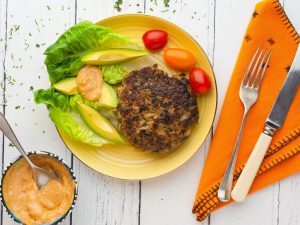
Moroccan Burger 204.4 kcal
Plus:
Butternut Squash & Quinoa Salad 268.4 kcal
You could use the same number of calories (or fewer!) and enjoy easily digested, genuinely healthy food that will help you lose weight and make your brain and body happy.
More importantly, look at the superpower nutrients you are putting inside your body in these quick and easy recipes:
Vitamins A, B1, B2, B3, B5, B6, B12, biotin, C, D, E, K, and folate.
Minerals like calcium, copper, iron, magnesium, manganese, phosphorus, potassium, selenium, sulfur, and zinc.
Fiber to support your gut microbiome.
Omega 3, the essential fatty acid that helps manage inflammation.
All 9 essential amino acids that your body uses as building blocks for protein.
Anti-inflammatory, antioxidant polyphenols from colorful plant foods.
This is why EBS members are putting their weight issues and inflammatory conditions into remission and enjoying one of life’s joys: Eating delicious food. Just like Natasa:
“Since joining the platform 3 weeks ago, I have lost 3kg, and my bloating is gone.
I have bilateral patellofemoral osteoarthritis (severe pain in both knees) and the pain is now much less. I feel like I can finally start doing movement videos that I previously couldn’t do because of my knee pain.
Also, all your recipes are so tasty. Thank you so much.”
Eating this way will fill you up and allow your body to function as it should. It will make your skin glow, your hair grow and shine, your eyes sparkle, and, without a doubt, make you feel full of joie de vivre!
Remember that when your gut is well-fed, your brain is too. Healthy gut bacteria regulate mood balance and our “happy” neurotransmitters like serotonin. Are there many diets out there that can say the same?
5. Low-calorie foods for Weight Loss Lead to Misery
Following a low-calorie diet and counting calories all the time will lead to misery.
Weight loss diets gain popularity because people do lose weight at the beginning. Any weight loss regime is the same, whether it is the keto diet, a low-carb diet, or a low-calorie diet.
When you eat low-calorie, nutrient-poor foods, your body is not satiated. The chances are you will think about food all day long because you are starving yourself of essential nutrients that you need to survive.
When you binge because you are so hungry, your body will hold onto that binge food because it worries that you will starve again. And this is how yo-yo dieting starts. Starve and binge. Weight loss and then even more weight gain.
Over time, the chronic inflammation that comes from eating ultra-processed low-calorie foods leads to weight gain, digestive problems, anxiety, brain fog, and depression. It can increase your risk of Alzheimer’s, and Parkinson’s Disease. Packing your body full of these chemicals is making your mind and body ill.
What to Eat to Lose Weight
If you are looking for weight loss that lasts, I suggest you stop counting calories and stay away from ultra-processed low-calorie foods. It doesn’t work as a weight loss strategy, and it is dangerous, unsustainable, and boring!
Instead, give your body the nourishment it needs to feel energized and shed weight – just like EBS member Helen has done:
“I shed 10 pounds (4 and a half kg) following the Six Week Reset.
I feel so much more balanced and lighter inside and out, plus some digestive issues have disappeared.
The EBS approach is considered gentle and scientifically backed. I’m actively trying to maintain my now thriving gut health ‘garden’ as much as I can, limiting the damage it does in social eating situations.
I’ve never been a great cook, but I find the recipes so easy and filling. My favorites so far are chicken nuggets, zucchini bread, and chicken sausage shakshuka.
Plus, there are options for those of us with a sweet tooth or who can’t face savory protein for breakfast, which doesn’t happen on many healthy eating plans. Thank you, Yalda!”
Make every day count in terms of health and happiness. I hope your day is full of both.
Yalda x
Yalda Alaoui is a qualified Naturopathic Nutritionist (with a foundation in Biomedicine) who studied with the College of Naturopathic Medicine in London. She has spent over a decade performing groundbreaking research in chronic inflammation and gut health.
I’m sure it must be frightening to hear you have the genetic markers for Alzheimer’s disease. However, please be assured that this doesn’t automatically mean that you will develop the condition.
Why? Because you have the power to prevent Alzheimer’s disease.
It’s a bold statement, I know, but as with any inflammatory condition (which Alzheimer’s Disease is), you can use diet and lifestyle to minimize your risk of developing it.
In this article, I will tell you some facts about Alzheimer’s disease and explain how you can optimize your brain health and protect against cognitive decline.
Please share this post with anyone you know who is fearful of developing Alzheimer’s and anyone who cares for someone who has early signs of it. It might make a world of difference to their lives.
Alzheimer’s and Inflammation: The Facts
Let’s establish some of the facts about Alzheimer’s disease:
Alzheimer’s disease is the most common type of dementia. There are an estimated 5.8 million people in the U.S. with Alzheimer’s disease and related dementias. Around 200,000 of these are under the age of 65.
Women are nearly twice as likely to be affected by Alzheimer’s than men.
The inflammation and cellular damage that leads to Alzheimer’s begins years before any symptoms appear.
There are many underlying causes of Alzheimer’s, which is why the search for a single drug cure will never work.
Alzheimer’s is characterized by the appearance of amyloid plaques and knots of tau protein in brain tissue. However, this type of damage occurs in healthy brains as they age and doesn’t explain why some people develop Alzheimer’s and others don’t.
Scientists then discovered that chronic inflammation in the brain drives the progression of Alzheimer’s. It seems to be this combination of chronic inflammation alongside amyloid plaques and tau protein fibers that leads to Alzheimer’s.
Lifestyles Drive Alzheimer’s Risk
Alzheimer’s and other forms of dementia are more prevalent now than 100 years ago. This is because our diets and lifestyles are radically different:
We are exposed to more environmental toxins and chemicals in food. These toxins alter the gut microbiome and drive inflammation.
We eat junk foods that lack essential vitamins and minerals.
All these factors combine to create a state of chronic inflammation that damages brain tissue, leading to dementia and Alzheimer’s.
Alzheimer’s Disease and Gut Health
To understand the origins of Alzheimer’s we need to look at gut health. Gut bacteria have a direct effect on brain health and inflammation. What we eat affects the balance of good and bad gut bacteria and can increase our risk of inflammation in the brain.
If we choose ultra-processed foods filled with refined sugar, processed fats, and chemical additives, we are choosing to damage the gut, promote inflammation, and increase our risk of developing dementia.
If we opt for anti-inflammatory foods that provide brain-healthy nutrients, then we are choosing to nourish our gut bacteria, minimize inflammation, and protect our brains against Alzheimer’s.
Sleep and Neuroinflammation
How well we sleep influences our risk of developing neuroinflammation. Good quality sleep is vital for brain cell “housekeeping” and clearing away amyloid plaques in the brain. If you regularly get less than 7-9 hours’ sleep a night you are depriving your brain of the time it needs to do this repair work.
The Eat Burn Sleep lifestyle supports and promotes healthy sleep and we have specific advice for Insomnia. You might also like to read: What Happens If You Don’t Sleep Enough?
Movement Affects Our Brains
Exercise and movement stimulate blood flow and oxygen circulation to the brain. Brain cells get more nutrients and metabolic waste can be cleared away.
Our program includes a whole series of exercise and movement videos designed to improve your strength without increasing inflammation. Many regular forms of exercise are too strenuous. They spike your cortisol levels which then causes more inflammation.
Stress Response and Inflammation
Stress is a massive factor in chronic inflammation and dementia. We each have the power to reduce the effects of stress and improve our resilience. Regular relaxation is crucial for cognitive wellbeing and we have a library of guided meditations for you to enjoy.
How Long Does Protection Against Alzheimer’s Take?
In a matter of weeks, you can dramatically change your genetic expression and reduce your risk of Alzheimer’s disease. If you are as consistent as possible (I advise an 80/20 on this lifestyle), you give yourself the best protection possible.
Start the Six-Week Reset, and then follow Daily Goals and the monthly planner in the Reboot & Revivesectionto make your meals, meditations, exercises, and snacks for each day as easy as possible. Remember that the recipes are family-and-friends-friendly!
Reverse Early Onset Dementia
If you have signs of Mild Cognitive Impairment (MCI) or early onset dementia, you can slow the progression and dramatically change the outcome with the Eat Burn Sleep lifestyle. Give yourself proper rest, daily movement, interesting activities to stimulate your brain, and an anti-inflammatory diet, and you will give your brain the best chance to fight dementia.
My final advice is to start protecting yourself as soon as possible. Don’t live with that fear anymore. You can protect yourself against developing inflammatory conditions like Alzheimer’s disease and look and feel years younger by doing so!
For members seeking more personalized support, the platform also offers dedicated Alzheimer’s advice as part of the Premium Membership. This includes in-depth guidance, research-backed strategies, and practical tools to help reduce risk factors and support long-term brain health.
Yalda Alaoui is a qualified Naturopathic Nutritionist (with a foundation in Biomedicine) who studied with the College of Naturopathic Medicine in London. She has spent over a decade performing groundbreaking research in chronic inflammation and gut health.
I hope you are well. Today, I want to talk about the diabetes drug Ozempic. It’s one of the big social media topics at the moment because people are using it for weight loss.
However, there are significant health risks to taking prescription medicine for a health condition if you don’t have that condition and without your doctor’s approval. People are buying Ozempic from online pharmacies and unregulated websites, leading to a shortage of the drug for diabetics who desperately need it.
So let’s dive into this topic and see whether Ozempic is a safe way to treat obesity and weight loss, and what the natural alternatives are.
Ozempic is one of the brand names for semaglutide, a glucagon-like peptide 1 (GLP-1) receptor agonist. The other well-known brand name is Wegovy.
In 2017 the FDA approved the use of Ozempic as an adjunct to diet and exercise to improve glycaemic control in adults with Type 2 Diabetes. It helps diabetics feel full and reduces their appetite but it is important to note that Ozempic isn’t approved as a weight loss medication.
On the other hand, Wegovy (also semaglutide) is approved as a weight loss drug. However, neither Ozempic nor Wegovy are designed to be used by people who only want to lose a small amount of weight.
Side Effects of Ozempic
Any doctor will tell you that medication has side effects. Doctors weigh up the pros and cons of a medication based on your medical history and the potential benefits to your health. Ozempic is only for patients with Type 2 Diabetes and must be used under medical supervision. It is not meant to be a temporary drug or for people who want to lose a few pounds.
These side effects can kick in within hours of Type 2 diabetics starting the drug which is why the dosage is gradually increased under medical supervision.
There is also a warning about the risk of possible thyroid tumors, including cancer. GLP-1 receptor agonist drugs like Ozempic are known to cause thyroid C-cell tumors in rodents. The manufacturers of Ozempic say that the risk of this happening in humans is as yet “undetermined” and only time will tell now that more people are using the drug.
They also warn against using Ozempic if:
You or anyone in your family have ever had Medullary Thyroid Cancer (MTC) or Multiple Endocrine Neoplasia type 2 (MEN 2)
You are allergic to any of the ingredients in Ozempic. Severe hypersensitivity reactions (anaphylaxis, angioedema) have been reported in patients treated with Ozempic.
They then list even more severe potential side effects:
Inflammation of your pancreas (pancreatitis). Their website states that you should stop taking Ozempic if you have severe pain in your stomach, with or without vomiting. Ozempic has not been studied in patients with a history of pancreatitis.
Vision changes.
Low blood sugar (hypoglycemia).
Kidney problems (kidney failure). As stated on their website, there have been post-marketing reports of acute kidney injury and worsening of chronic renal failure in patients treated with GLP-1 receptor agonists. Some of these are reported in patients with no known underlying renal disease. Most reported events occurred in patients who had experienced nausea, vomiting, diarrhea, or dehydration.
Serious allergic reactions.
Gallbladder problems.
This is why you need to be under medical supervision if you take Ozempic or Wegovy. Doctors who understand the physiology of semaglutide and know your medical history should be the only people prescribing these drugs.
Is Ozempic Dangerous for Weight Loss?
As I’m sure you’ve realized by now, the risks of taking Ozempic for weight loss are not worth it.
One final point about side effects: Medicine.gov lists all of the precautions about semaglutide, the ingredient in Ozempic, and has added:
You should know that your mental health may change in unexpected ways, and you may become suicidal while you are using semaglutide injections for weight loss.
Why put your health at such serious risk when there are easier ways to lose weight? Also, when you stop using the drug, the weight piles back on. It is not a long-lasting, sustainable solution.
To achieve lasting, healthy weight loss results, you need to abandon the idea of a “magic pill” and embrace holistic health.
Weight loss isn’t just a simple matter of cutting calories. It requires knowing what to eat, how to move, and how to deal with negative thoughts that sabotage your weight loss efforts.
This is what the Eat Burn Sleep platform is about. We have food lists, meal plans, movement videos, guided meditations, health Masterclasses, and more, all designed to support you on your weight loss journey.
Can Ozempic Affect Fertility?
No one knows yet if Ozempic affects human fertility or pregnancy, but the manufacturers advise stopping the drug two months before a planned pregnancy.
Animal studies reveal why. In a combined fertility and embryo development study using rats, small doses were given to male and female rats before mating. The offspring had reduced growth and fetal abnormalities in heart and blood vessels, cranial bones, vertebrae, and ribs. In studies using rabbits, pregnant rabbits experienced early pregnancy losses along with increased fetal kidney, liver, and skeletal abnormalities.
Long-Term Effects of Weight Loss Injections
Your doctor will advise you about all the effects of weight loss injections.
Studies show that stopping weight loss drugs, injections, and other weight loss regimes will likely lead to regaining weight within a few months. It stops intuitive eating, so you do not know when to eat and when you are full, which also affects other areas of your health, like sleep.
Does Lack of Sleep Cause Weight Gain?
Yes! Not getting enough good quality sleep will hamper weight loss. Sleep is essential for your body to regulate hunger hormones and appetite. Lack of sleep makes you prone to cravings, overeating, and fatigue. I talk about this topic more in Weight Loss & The Link to Sleep.
Is Obesity a Chronic Disease?
Obesity is a chronic inflammatory condition that can be managed naturally and safely without injections and extreme weight loss regimes. Millions of people struggle with obesity because of highly addictive ultra-processed foods that promote weight gain and inflammation. It takes more than an injectable drug to deal with this issue, which is why we have so many weight loss success stories here at Eat Burn Sleep.
Weight loss can occur quickly on EBS – and it lasts. The only side effects are more energy, comfortable digestion, no cravings, and excellent mental well-being! This is why our program is used and recommended by doctors and medical professionals all over the world.
But don’t just take my word for it. Check out our members’ reviews from people like Kirstin:
“The movement videos really help my energy levels. My immune system has improved, less of the dreaded colds.
Working with young kids I’m constantly surrounded but I’ve been on top form the last year and fought off anything relatively quickly.
Gobsmacked at how quickly I got pregnant as I wasn’t even sure it was even possible.
My skin is clear and fresh not to mention the weight loss of 15kg and rediscovering my wardrobe! My mental health has improved too!”
How to Manage Obesity Naturally
Optimum gut health is the foundation of the EBS approach. It is essential for weight loss because the microbes in your gut regulate appetite and weight balance. Gut microbes can be modulated positively or negatively by different lifestyle and dietary factors and can even ‘turn off’ any hereditary links to obesity (Cuevas-Sierra et al., 2019).
Our food lists and meal plans are designed to nourish your gut flora and keep you energized and satisfied. Snack options are included if you want to snack but the meals are so filling you probably won’t want to!
As always, I wish you excellent health and a wonderful day!
Yalda x
Yalda Alaoui is a qualified Naturopathic Nutritionist (with a foundation in Biomedicine) who studied with the College of Naturopathic Medicine in London. She has spent over a decade performing groundbreaking research in chronic inflammation and gut health.
I am often asked about the signs of inflammation and how to tell if it’s a problem. But honestly, chronic inflammation will express itself differently for each of us! This is because we have a unique genetic makeup that influences our health.
However, there are some common signs of inflammation to look out for, some of which will surprise you.
This is not an exhaustive list, but I hope it gives you an idea of how many different ways chronic inflammation can appear in your body.
Should I Be Tested For Inflammation?
In some cases, your doctor or healthcare practitioner may run blood or stool tests to check for inflammatory markers. The most commonly tested marker in your blood is CRP – C-Reactive protein. Elevated levels of CRP indicate acute inflammation in your system.
However, CRP levels do not give the whole picture and you can still have chronic inflammation even if your levels are within the normal range.
What Causes Chronic Inflammation?
It’s easy to get attached to the name of a disease and what medicines you can take to deal with it rather than thinking about the underlying cause. So many people get rid of their health issues on the Eat Burn Sleep program because it deals with the underlying cause.
When we talk about chronic inflammation we are looking at two main underlying causes: diet and lifestyle.
Yes, genetics play a role too. But even if you carry a genetic predisposition for an inflammatory condition, it is your diet and lifestyle that switches on those genes.
Diet, Lifestyle, and Chronic Inflammation
Diet is a major underlying cause of chronic inflammation because of the number of Ultra Processed Foods and Drinks (UPFDs) available now. These foods and drinks are high in refined sugars, industrially processed oils, artificial sweeteners, additives, and emulsifiers. They lack fiber, vitamins, minerals, and antioxidants.
They aren’t real food; they are the products of a chemistry lab! And we as humans are not designed to thrive on such things.
Lifestyle is the other major underlying cause. We have become reliant on smartphones and screens that disrupt our sleep. Millions of people are dealing with high levels of stress. And we move our bodies far less than we need to.
A sedentary lifestyle is strongly linked with chronic inflammation and is known to increase your risk of developing serious conditions like cardiovascular disease and diabetes. The same goes for stress too. Ongoing stress disturbs gut health, immunity, brain function, and cellular repair, opening the door to weight gain and chronic inflammation.
Eat Burn Sleep – The Power of an Anti-Inflammatory Lifestyle
Living a low-inflammation lifestyle protects you from disease and helps you recover from illness and surgery more efficiently.
The Eat Burn Sleep approach is more than just an anti-inflammatory diet. It is a complete 360-degree platform of inflammation-reducing tools.
The program includes:
Food plans
Recipes
Guided meditations
Movement videos
Health masterclasses, and more.
It is a program that works. We have countless testimonials from EBS members who have had an inflammatory condition, followed the program, and then returned to see their doctor who is astounded at the results.
Take Natasa, who saw incredible results after only 3 weeks on the program:
“Since joining the platform 3 weeks ago, I have lost 3kg, and my bloating is gone.
I have bilateral patellofemoral osteoarthritis (severe pain in both knees) and the pain is now much less. I feel like I can finally start doing movement videos that previously I couldn’t do because of my knee pain. Also, all your recipes are so tasty.
Thank you so much.”
I am passionate about helping people live healthier, happier lives, so you can imagine how it feels when testimonials like this come in!
How does the program work?
I always suggest that people start with the 6-week Reset. This is designed to optimize your gut microbiota and liver function. It takes just 42 days to feel incredible before you carry your anti-inflammatory lifestyle forward with all the tools that you need.
The program is all about moderation and enjoying life – not deprivation and restriction. It’s about damage limitation, not perfection! With the health education Eat Burn Sleep provides, people make better choices for themselves and their families – promoting healthier lives for all ages.
Yalda Alaoui is a qualified Naturopathic Nutritionist (with a foundation in Biomedicine) who studied with the College of Naturopathic Medicine in London. She has spent over a decade performing groundbreaking research in chronic inflammation and gut health.
I suffered from candida overgrowth a while ago, and I know how it feels to have it. This is why I delved into the subject and want to share my knowledge of what kills candida fast, in a natural way.
The symptoms of candida overgrowth (also called candidiasis) can be hard to identify because it can present in lots of ways. It is often mistaken for conditions like Chronic Fatigue and Irritable Bowel Syndrome.
So, if you are looking for a fast, natural way to get rid of candida overgrowth and keep it at bay, you are in the right place.
What Is Candida?
Candida is a type of yeast, a microscopic fungus that lives in and on your body. It is part of your microflora, the community of bacteria, yeasts, viruses, and other microbes present in your gut, throat, lungs, skin, and genitals.
Candidiasis that occurs in the mouth, vagina, or on the skin (including on the penis) is often called thrush. White patches, itchiness, and soreness are tell-tale signs of a thrush infection.
Under normal conditions, candida is kept in check by other microbes. It is only when the balance of microbes is disturbed that candida has the opportunity to grow. And if it sees an opportunity, it will grow quickly!
Most candida problems can be resolved with diet, lifestyle, and in some cases, supplements. However, there is a severe form of infection called systemic candidiasis which requires medical attention. This occurs when the yeast infects major organs like the lungs and kidneys. Systemic candidiasis commonly affects people with a compromised immune system such as HIV patients, and people taking immune-suppressant drugs.
What Causes Candida Overgrowth?
Common causes include:
Stress.
Pregnancy.
Taking oral contraceptive pills or Hormone Replacement Therapy (HRT).
Smoking.
A diet high in Ultra Processed Foods and Drinks (UPFDs).
Chronic illness.
Using a catheter.
A compromised immune system.
These issues affect the balance of microflora in and on your body. When the microbes are disrupted, candida takes the opportunity to thrive.
What Are The Signs of Candida Overgrowth?
Signs and symptoms of a yeast overgrowth will be different for everyone, but they include:
Sore patches in the mouth
White coating on the tongue
Cracked corners of the mouth
Sore throat
Difficulty swallowing
Sore, itchy genitals, and in women, a foul-smelling vaginal discharge that looks like cottage cheese
If it is left unchecked, candida can start to attack the lining of the gut, causing leaky gut syndrome. Damage to the gut lining allows partially digested foods and toxins into the bloodstream. These can trigger an immune response which then leads to chronic inflammation.
How Do You Test for Candida?
Various blood, urine, and stool tests can check for candida overgrowth. And there’s also a simple home saliva test that you can do. If you follow me on Instagram, you can find it in my reels. Do check out the videos for candida support, too.
Diet and Lifestyle Tips to Kill Candida Overgrowth, Fast
Eat Burn Sleep’s anti-candida protocol is powerful, effective, and long-lasting.
The plan focuses on anti-inflammatory foods that support a healthy balance of microflora in your body. Unlike other candida diet plans, the Eat Burn Sleep approach doesn’t tell you to “starve” the candida because ultimately, that doesn’t work!
You don’t want to be feeding it with sugars and ultra-processed foods, but neither do you want to try and “starve” it out of existence because that won’t happen.
You need to take a multi-pronged approach to candida management that includes:
Foods that support a healthy balance of microflora
Anti-inflammatory foods
Anti-fungal foods
Foods that support your liver detoxification pathways. Your liver has to deal with the candida die-off and it needs plenty of help with this.
Foods to support regular, comfortable bowel movements. This ensures the dead candida leaves your system!
Relaxation and meditation. Stress is a big trigger for candida overgrowth. If you don’t learn how to handle stress, you are leaving the door open for candida to return.
Restful, restorative sleep.
We have a powerful candida protocol as part of our Premium Membership. The protocol covers the diet, lifestyle, and supplement advice you need to kill candida overgrowth quickly and naturally. You can use this protocol alongside the Six-Week Reset program which gives you food lists and meal plans to keep you motivated and inspired.
How to Manage Candida Die-Off
You will know when the candida overgrowth is dying, and it usually happens by day 3 of the protocol. It’s that quick!
When the candida starts to die off it can cause a few uncomfortable side effects like wind, bloating, nausea, and fatigue. This is when you won’t feel like yourself, but the upturn is so worth it. Oh my goodness, you will feel amazing afterward!
Just keep going, follow the plan, drink plenty of water, and rest as much as you can.
How To Stop Candida Overgrowth From Coming Back
Once you’ve dealt with the overgrowth and are feeling better, I recommend you follow the overall Eat Burn Sleep approach to maintain this improvement.
The EBS diet and lifestyle can keep candida at bay because it deals with the underlying cause of yeast overgrowth – poor gut health and imbalanced microflora.
The movement and meditation practices are a powerful part of this approach too. Many of our members have been surprised by the power of the neuroplasticity exercises and how their brain feels rewired afterward. By following these exercises they have been able to break strong addictions to sugar and processed foods.
Strong immunity, resilience to stress, healthy digestion, boundless energy, mental clarity, and sharp concentration – these are some of the amazing outcomes you can expect from the Eat Burn Sleep diet and lifestyle. So if yeast overgrowth is a regular occurrence for you, I advise following this lifestyle to combat and prevent it!
This is what EBS member Sharon says about the program…
I’m really enjoying the EBS lifestyle, and have been following it for 10 months now, I feel the best in years, I have a flat tummy and suffer much less with bloating.
When I did the six-week reset the first week was hard but by day 5 I was feeling so good it encouraged me to keep going.
I am slimmer around my middle and have a lot of energy. My joints feel so much better. I can tell I have less inflammation in my body. The workouts are great and because they are short, I always can fit them into my day.
I love all the information and master classes on the platform, as I like to learn about health and nutrition. I will be subscribing for another year – thanks Yalda for all your work, in helping yourself, you are now helping so many people.
Quick Answer: AG1 is a greens powder with 75+ ingredients. Most healthy adults tolerate it, but independent evidence is limited that it improves health beyond filling nutrient gaps. In its favor, it’s NSF Certified for Sport. My concerns are the proprietary blends, soy lecithin, inulin (a common cause of bloating), herbal ingredients that may interact with medication, and its premium price. It isn’t for under-18s or anyone pregnant or breastfeeding, so check with your doctor first if you take medication or have a thyroid or liver condition.
I’m asked constantly, “Is AG1 good for you?” and my honest answer is that I don’t think it’s the health investment it’s marketed as. At Eat Burn Sleep, we look at every supplement through a food-first, anti-inflammatory lens, so that’s the lens I used when I read AG1’s label. When it first came on the market, I ordered a packet to look at it properly. Once I read the ingredient list, I had enough concerns that I sent it back. In this post, I’ll walk you through the ingredients that stood out to me (soy lecithin and inulin), what we do and don’t know about AG1 and your liver, thyroid, and digestion, who should avoid it, and what it costs, so you can learn to read a supplement label for yourself.
What Is AG1?
AG1 (formerly Athletic Greens) is a greens powder supplement that combines vitamins, minerals, probiotics, prebiotics, adaptogens, and plant-based ingredients, which you mix with water. The brand says it contains 75+ ingredients and markets it as supporting gut health, immunity, energy, and recovery. It’s widely promoted by health influencers, athletes, and some healthcare professionals. AG1 is also NSF Certified for Sport, which means it’s independently tested for banned substances and that the label matches what’s in the tub. That’s a real point in its favor, though the certification doesn’t show that the ingredients work.
However, while AG1 contains an extensive blend of ingredients, the formula may not provide the same benefits for everyone. The effectiveness of many ingredients depends on their dosage and your individual nutritional needs, so it’s important to look beyond the marketing claims before deciding whether it’s the right choice for you. Most ingredients sit inside proprietary blends, so the exact amount of many of them isn’t disclosed.
Are Supplements Safe?
Here’s something most people don’t realize: supplements aren’t approved by the FDA before they go on sale. The manufacturer is responsible for the safety of its own product, and companies don’t have to prove effectiveness before selling it either. The FDA can act if a product is found to be unsafe or mislabeled, but that happens after it’s on the shelf. It’s a similar picture in the UK, where supplements are regulated as food rather than as medicines.
Supplement companies often rely on ingredient suppliers and contract manufacturers for safety data, and quality varies a lot between brands. The FDA doesn’t certify supplement formulas or their ingredients. That’s why independent testing, such as NSF certification, is worth looking for, and why I’d always read the label rather than trust the marketing.
My honest advice: choose brands that research their ingredients and publish their testing, like Minami or Biocare. You can see more of what I personally use and trust on my Yalda Loves page. But even the best supplement can’t replace a healthy diet and lifestyle. Before reaching for any supplement, ask yourself what you actually want it to do, because many of those goals (weight loss, easing pain, better energy, clearer skin, supporting mood) are supported by an anti-inflammatory lifestyle, without the guesswork. That’s why we start with food and lifestyle first at Eat Burn Sleep.
What Do Supplements Contain?
Many supplements contain excipients, fillers, stabilizers, bulking agents, and preservatives. Some have a purpose, such as helping a powder mix or stay stable, while others are there mainly to keep costs down. Supplements are regulated differently from medicines, so it’s up to you to read the label.
Knowing what to look for in a genuinely good supplement, and what to flag as a cheap filler, matters. I’d urge you not to be swayed by a doctor’s or celebrity’s endorsement, or to buy something online without actually reading and understanding what’s in it.
Is AG1 Good for you?
AG1 has been around for a while, has been promoted by well-known health figures and podcasters, and has well-known investors, so there’s a lot built into the brand that makes people trust it instinctively. It was reported to have made around $600 million in revenue in 2024 (Forbes). When a trusted voice tells you something is good for you, most people stop asking further questions. I don’t think you should.
AG1 was founded in 2010 under the name Athletic Greens. It’s a blend of 75+ vitamins, minerals, superfoods, probiotics, and adaptogens, and the brand states there are no GMOs, herbicides, pesticides, artificial colors, flavors, or preservatives. According to its own website, it’s made from high-quality ingredients to strict standards. The NSF Certified for Sport certification backs up the testing side, but claims about ingredient quality and benefits are still the brand’s own.
What AG1 does well:
NSF Certified for Sport, so it’s independently tested for banned substances and label accuracy.
A convenient way to add a broad range of vitamins, minerals, and probiotics, which may help fill gaps if your diet is limited.
Where I have concerns:
Most ingredients sit in proprietary blends, so individual doses aren’t disclosed.
It contains soy lecithin and inulin, which don’t suit everyone.
It can cause bloating in sensitive guts.
It’s expensive, and there’s limited independent evidence that it improves health beyond a balanced diet.
The Real Risks of Taking AG1
Supplements are genuinely big business, and manufacturers still don’t have to prove their safety. Even with a “reputable” brand, I’d always recommend running the ingredient list past your nutritionist or healthcare provider first. That one step minimizes your risk of:
Contraindications with medications or other supplements you’re already taking.
Accidentally taking too much of a given vitamin or mineral.
Sensitivities to ingredients that aren’t officially classed as dangerous, but still don’t agree with you.
AG1 does contain beneficial active ingredients, including B vitamins, zinc, and vitamin C. But a concentrated blend of this many active ingredients can be hard for some people to digest, and some herbal ingredients can interact with medication or cause problems in large amounts. Licorice, for example, can lead to low potassium and high blood pressure when taken in excess, and some people are far more sensitive to it than others (Kwon et al., 2020). Check the current label for which herbal ingredients are included and in what amounts, and ask your doctor or pharmacist if you take any medication. AG1 states it’s for adults 18+ who aren’t pregnant or breastfeeding.
The ingredient that concerned me most when I read the label was soy lecithin.
Why the AG1 Ingredient Soy Lecithin Has Health Risks
Soy lecithin is a common emulsifier, and in a lab (in vitro) study, emulsifiers including soy lecithin altered the makeup of gut bacteria (Miclotte et al., 2020). That doesn’t prove it harms people who take it, but it’s not what I’d choose in something marketed for gut health, immunity, and recovery.
Soy lecithin is added mainly as an emulsifier rather than for a health benefit, though it also supplies phosphatidylcholine, which AG1’s label mentions. You could argue that the good ingredients in AG1 outweigh it. It’s listed as the second ingredient in AG1’s superfood complex, although the exact amount isn’t disclosed. Research into emulsifiers is still developing, but so far we know:
Lab studies suggest emulsifiers, including soy lecithin, can change which bacteria grow in a model of the gut (Miclotte et al., 2020).
Some of these changes involved bacteria such as Enterococcus and Clostridium, which include both harmless and harmful species, so what this means for people isn’t clear.
Animal research on other emulsifiers (such as polysorbate 80 and carboxymethylcellulose) links them to gut inflammation and metabolic changes, but this hasn’t been shown for soy lecithin at the amounts found in a supplement.
A disrupted gut microbiome has been linked to immune dysregulation and chronic inflammation, which can look different in every person. If you’re managing an inflammatory or digestive condition, it’s worth asking your practitioner whether an emulsifier like soy lecithin makes sense for you. If you have a soy allergy, note that AG1’s label states it contains soy.
The current label notes that it contains a premium lecithin, derived from soy, for its phosphatidylcholine content. Worth knowing: gut bacteria can convert dietary phosphatidylcholine into TMAO, a compound associated with cardiovascular risk in observational research (Wang et al., 2011; Tang & Hazen, 2014). Whether the small amount in a supplement matters hasn’t been established.
How Is Soy Lecithin Actually Made?
To produce soy lecithin, soybean oil is first extracted from raw soybeans using an industrial solvent. The oil then goes through “degumming,” mixing it with water until the lecithin separates out. From there, it’s dried and often bleached. That processing degrades the DNA in the soy lecithin, so it becomes genuinely impossible to tell whether the source was GMO or not. I’ll be honest, I’m still not entirely sure what AG1 means by “premium” soy lecithin either.
Is the Inulin in AG1 Safe for Digestion?
The other AG1 ingredient I’d flag is inulin, a prebiotic fiber listed in AG1’s superfood complex.
Inulin can shift your gut microbiota. For many people, that’s helpful, but if your microbiome is already out of balance or your gut is sensitive, it can cause problems.
Inulin is a well-known trigger for bloating, gas, cramps, and diarrhea, particularly in people with IBS or other digestive issues. Some animal studies also suggest high doses may affect cholesterol and bile acid metabolism and liver function (Pauly et al., 2020), though it’s unclear whether this applies to people at the amounts in AG1.
This is why so many people ask me whether AG1 causes bloating, gas, stomach issues, or even symptoms that feel IBS-like in my experience. Inulin is a common reason, especially for anyone whose gut is already sensitive.
There’s plenty written online about inulin’s health properties, and much of it is genuinely true. But it’s important to run any new supplement past your nutritionist (or reach out to us directly if you’re an EBS member) to make sure it’s actually right for your specific gut and health needs.
G1’s own marketing states, “AG1 empowers the gut for whole body health.” I’m not convinced. With soy lecithin and inulin in the mix, I’d be cautious, especially if your gut is sensitive. Where I do agree with them is this: you can’t achieve a healthier everything else without a healthy gut first.
Does AG1 Affect Your Liver?
Is AG1 bad for your liver? There’s no credible independent evidence that AG1 damages the liver in healthy people, and I want to answer this honestly rather than alarmingly. The brand doesn’t publish liver-specific safety data of its own, which, going back to my earlier point, is part of the problem with how supplements are regulated.
That said, your liver is the organ responsible for processing everything you take, including all 75 ingredients in a formula like this at once. Some animal studies suggest inulin may affect liver function (Pauly et al., 2020), though this hasn’t been shown in people at these amounts. If you’re also taking other supplements or medications your liver is already processing, that concentrated load can add up.
If you have an existing liver condition or you’re taking medication that’s metabolized by the liver, it’s genuinely worth reviewing AG1’s full ingredient list with your doctor before starting it.
Does AG1 Affect Thyroid Health?
I understand why this question comes up so often, especially among people already managing a thyroid condition. AG1 doesn’t publish thyroid-specific research, and I haven’t seen credible independent studies linking it directly to thyroid dysfunction.
What I would say is this: any formula combining dozens of vitamins, minerals, and herbal adaptogens has the potential to interact with thyroid medication or existing thyroid sensitivities, simply because of the number of active ingredients involved. One to know about is ashwagandha, which AG1 includes. It has been reported to raise thyroid hormone levels in some people, which can matter if you have a thyroid condition or take thyroid medication. It’s also worth checking the label for iodine-rich ingredients.
If you’re on thyroid medication or managing a thyroid condition, it’s worth going through AG1’s ingredient list with your doctor or nutritionist before adding it in, rather than assuming a “wellness” label means it’s automatically safe for your specific situation.
Can AG1 Cause Headaches?
Some people report headaches when they first start AG1. There’s no AG1-specific research on this, but there are a few plausible explanations. Introducing a concentrated blend of vitamins, minerals, and adaptogens all at once can cause a short-term adjustment reaction in sensitive people. Dehydration, a shift in blood sugar, or sensitivity to one of the herbal ingredients could also play a part. If headaches persist beyond the first week or two, stop taking it and speak to your healthcare provider rather than pushing through.
Beware of Marketing Words!
They can be misleading, so read past them. Here’s what I want you to take away from all of this:
Supplements aren’t approved by the FDA before they’re sold, so safety and effectiveness claims are largely down to the manufacturer.
Marketing slogans are written to sell a product, so look at the ingredient list and the evidence behind it.
Always read the full ingredients list on any supplement, and talk to your healthcare practitioner (or us, if you’re an EBS member) before starting one.
Even supplements endorsed by doctors and celebrities may not suit you, depending on your health, medication, and gut.
Learning to read labels and question the marketing is something we teach at Eat Burn Sleep.
If you haven’t listened to my podcasts or caught the recent Instagram Live with Dr. Dawn Sherling about the dangers of food additives, I’d genuinely recommend both.
AG1 or Eat Burn Sleep: Which Is the Better Investment for Your Health?
It’s worth thinking about what it might cost you, long-term, to make yourself less healthy rather than more. For reference:
At the time of writing, AG1’s single subscription is listed at around $79 a month in the US, which comes to roughly $948 a year for one supplement. UK pricing differs, so check AG1’s current price before you decide.
Our Premium Eat Burn Sleep Membership is £270 a year. It’s a different kind of investment: rather than a supplement, it gives you the food, movement, and stress tools to support your health long term.
Understanding what’s genuinely good for you, and how your own body works, is the best form of self-care there is, and that’s exactly what the EBS platform is built to give you.
A year’s EBS membership gives you the knowledge and tools you’d otherwise need a nutritionist to piece together, plus movement videos designed to calm inflammation. You get access to movement videos, guided meditations, meal plans, food lists, and an ever-expanding anti-inflammatory cookbook with recipes from around the world, such as Catalan roasted vegetables, Chicken Marbella, Moroccan Burgers, and plenty more.
EBS is built to work for families and for people anywhere in the world. Many of our members tell us they feel healthier over time, retrain their taste buds, and build habits that support their gut health. Individual results vary.
“I am really impressed with the quality of your work and couldn’t agree more with your principles. Your ability to formulate a lifestyle strategy around improving health is outstanding. EBS is an excellent professional platform sustained with thorough research and scientific information. You not only cover research on anti-inflammatory nutrition but also on all medical conditions. This demonstrates how what we eat contributes to the regression or progression of chronic illness.
So, is AG1 good for you? In my honest opinion, once you look past the marketing and into the ingredient list, I don’t think it’s the health investment it’s positioned to be. It may help fill gaps for some people, but a balanced anti-inflammatory diet will take you further, which is exactly what we help our members build at Eat Burn Sleep. If you do take it, talk to your doctor first. Do take care of your health; it’s really precious. Have a great day!
AG1 FAQs
Q. Is AG1 bad for your liver?
There’s no credible independent evidence that AG1 damages the liver in healthy people, and the brand doesn’t publish liver-specific safety data. If you have a liver condition or take medication processed by the liver, review the ingredient list with your doctor before starting it.
Q. Does AG1 affect your thyroid?
AG1 doesn’t publish thyroid-specific research, and I haven’t seen credible studies linking it to thyroid problems. However, it contains many active ingredients, including ashwagandha, which has been reported to affect thyroid hormone levels in some people. If you take thyroid medication or have a thyroid condition, check the ingredient list with your doctor first.
Q. Does AG1 cause bloating or gas?
It can in some people. AG1 contains inulin, a prebiotic fiber that’s a common trigger for bloating, gas, and cramps, especially in people with IBS or a sensitive gut. If you notice symptoms, stop taking it and speak to your healthcare provider.
Q. Is AG1 worth the money?
It depends on your diet and budget. If you already eat plenty of vegetables, fruit, fiber, and protein, a greens powder is unlikely to add much. It may help fill gaps if your diet is limited, but given its premium price, a blood test and a targeted supplement may be a cheaper route.
Q. Who should avoid AG1?
AG1 states it’s for adults 18 and over who aren’t pregnant or breastfeeding. Check with your doctor or pharmacist first if you take prescription medication (especially thyroid medication), have a thyroid, liver, or kidney condition, have a soy allergy, or have IBS or a sensitive gut.
Q. Is AG1 FDA approved?
No. Dietary supplements aren’t FDA-approved before they’re sold, and the FDA doesn’t certify AG1 or its ingredients. AG1 is NSF Certified for Sport, an independent certification that checks for banned substances and that the label matches the contents.
Spring is here which means seasonal allergies are too! Tree, grass, and weed pollen make life miserable for millions of hay fever sufferers every year, causing sneezing fits, sore throats, and stuffy noses. Antihistamine drugs may help but often have side effects like drowsiness. But what about food? Can diet help relieve hay fever?
The pollen irritates the lining of your nose, eyes, and throat, causing immune cells to release histamine and other inflammatory chemicals. This leads to itching, swelling, and irritation.
Anyone of any age can suffer from hay fever. Some people grow out of their childhood hay fever and no longer experience any symptoms as an adult. Others develop it for the first time in their twenties or thirties, or even later. Many women start with seasonal allergic rhinitis and other allergies during menopause when hormone changes affect immune and gut health.
How Long Does Hay Fever Last?
This varies from person to person. If you are only sensitive to one type of pollen, your symptoms will subside when that pollen level drops. If you are sensitive to several types of pollen your symptoms can potentially last from late Winter through to Fall.
Why Is My Hay Fever So Bad All of a Sudden?
There are several reasons why seasonal allergies can suddenly get worse.
Stress has a major impact on immune health. If you are under a lot of stress, your immune system may not work as effectively.
Illness and infection can affect the membranes lining your nose and throat and leave you more sensitive to pollen.
Location change. If you’ve moved to a different city or even a different part of the same city, the pollen levels may be higher than where you lived before.
Air pollution from traffic fumes can make hay fever worse for some sufferers.
Weather patterns affect pollen levels. A mild winter followed by a cool spring and a sudden burst of warmth in early summer can trigger a pollen burst that can worsen symptoms.
Can Diet Help Relieve Hay Fever?
Yes! Adopting an anti-inflammatory diet and lifestyle can be hugely beneficial for managing seasonal allergic rhinitis. The clue here is in the name of the condition. The word “rhinitis” translates as “inflammation of the nose,” meaning the membranes lining the nose are inflamed.
The Eat Burn Sleep anti-inflammatory diet and lifestyle program minimises inflammation by supporting gut and immune health. These two systems are intrinsically linked because so much of your immune system resides in the gut.
Alongside these immune cells, your gut microbiome is also hard at work supporting immunity. It helps to regulate immune responses and inflammation and communicates with other microbiomes in the body, such as the oral and nasal microbiomes.
Research shows that people with allergic rhinitis have an altered microbiome in the nasal passages which may be associated with inflammation (Chen et al, 2022). As we can’t micromanage individual bacteria within a microbiome, it’s important to create the right environment for beneficial species to thrive. Following an anti-inflammatory diet and lifestyle is the ideal way to do this. I suggest the 6-Week Reset as the place to start – it has all the meal plans, food lists, and guidance you need to begin your anti-inflammatory journey.
I’m in the sixth week of the Six Week Reset and I cannot thank Yalda enough for the EBS lifestyle. During the last two years, I’ve struggled a lot with various issues like bloating, being overweight, psoriasis, thyroid malfunction, and acne, but now I’ve found the lifestyle that is the answer to all my problems.
I finally started losing weight, changing my body composition, feeling energetic all day long, less bloated, fewer cravings in my PMS phase, and still counting the benefits!
This lifestyle completely switched my body and my mind, and I cannot live without all the specialized advice I can find on the EBS platform anymore. Again, thanks Yalda for your great work!
Fastest Ways to Boost Your Immunity Against Viruses
Hello Everyone! If you are in a part of the world experiencing seasonal changes, there is likely to be an increase in viral infections, and you could be looking for ways to boost your immunity quickly against viruses.
Exposure is inevitable, and it is essential unless you are advised to shield for medical reasons or are classed as vulnerable.
We need exposure but must also be highly cautious of viruses when underlying chronic inflammation exists. This has become even more evident in the last few years. If you have underlying chronic inflammation, your immune system is dysregulated, but you can change that and fight inflammation.
Boosting your immunity quickly by following the below will help most people do so while still enjoying life!
(Looking after your immune system throughout the year is good advice, not just when the seasons shift).
Here are 10 ways to boost your immunity quickly against viruses and ensure better health:
1. Eat Gut-healthy, Nutrient-rich Foods Regularly
Our immune systems need nourishment from a plethora of nutrients from foods.
Poor gut health is linked to weakened immunity and non-communicable diseases. Gut health is imperative to good health, and the diversity of your gut bacteria will dictate how nutrients are absorbed.
Getting it right will better prepare the body for excess inflammation and microbial attacks! Beneficial nutrients to boost your immunity quickly and ensure immune system regulation must be digested regularly, forming an excellent dietary pattern.
90% of vitamin D is absorbed from the sun, essential for the immune system. There are safe ways to do this, and of course, there are challenges here, especially with seasonal changes.
If you have poor vitamin D absorption, like with ulcerative colitis, Crohn’s, and celiac, please follow the personalized advice for inflammatory bowel disease. It is an imperative protocol for good health and to put the conditions into remission, regardless.
If you are a vegan, live where sunlight is limited, or have any other reason that prevents you from getting the right amount of vitamin D, it’s worth reading through this health education platform, arming yourself with advice from a nutritionist and of course, eating nutrient-rich, gut-healthy foods. The bioavailability of foods is essential to boost your immunity quickly. However, some people need to take supplements.
Absorb sunshine as much as possible in cooler months, sit by an open sunny window, or obtain a S.A.D. lamp.
3. Keep Your Inflammation Down – through eating, moving, and sleeping (Eat Burn Sleep!) is the most sound advice for everyone!
4. Change Lifestyle Habits
Change any lifestyle habits that inhibit good health. An unhealthy lifestyle, which includes eating and drinking unhealthy foods and drinks most of the time, being overweight and underweight, following restrictive diets, lacking proper exercise, being sedentary, lack of fresh air, pollution, toxins, excess alcohol, smoking, drug abuse, poor sleep patterns, and stress weakens immunity defense.
5. Reduce Your Weight
Obesity is a chronic inflammatory condition, and you can reduce your weight by reducing the inflammation in your body. It is the safest, most effective way of reducing weight and boosting your immunity. Fat tissues produce adipocytokines, and these increase inflammation. Impaired T-cells stop the response of the immune system to pathogens. Also, it is worth knowing that with obesity, vitamin D is not readily available when needed because it accumulates in excess fat. This is reversible when you reduce chronic inflammation.
6. Put Your Autoimmune Disease Into Remission
Is that possible? Yes. I have two autoimmune diseases, so I created Eat Burn Sleep. Please read the other articles and magazine and newspaper features in the articles section.
7. Perform Regular De-stressing Techniques
Stress is so bad for your health, and it can affect gut health, affecting mental and physical health. Excess cortisol that is triggered, along with other hormones when you are stressed, leads to reduced immunity and increased inflammation.
The immune system, central nervous system, and endocrine system interact with each other.
When stressed, your sympathetic nervous system kicks in, shutting down the immune and parasympathetic nervous systems.
When life feels like it is crashing around you, pay attention to your gut (70% of immune cells and 60% of feel-good neurotransmitters reside in a healthy gut) and de-stressing techniques.
It is vital to keep chronic inflammation at bay because chronic inflammation promotes anxiety, depression, and other diseases, as well as a weakened immune system.
8. Get Good Sleep
Sleep is the foundation for good health! You only have to think about how you crave sleep when you feel ill and have a virus. Nothing can keep you awake. Your body tells you to lie down and heal!
A person who regularly sleeps for a good amount of time will likely have more antibodies than someone with fitful, irregular sleep. This is an excellent way to boost your immunity quickly.
Long-standing shift workers and insomniacs have turned their lives around on the Eat Burn Sleep reprogramming. Reprogramming your sleeping is possible. Check out the Insomnia personalized advice.
9. Stay Social
It’s fundamental to our overall health and survival. Our emotional joy!
Studies show that people who socialize tend to live longer than those who are more isolated. Plus, dopamine is released when we mix and exercise.
10. Go For a Walk
Walk with your family, your friends – or just yourself – and feel the pleasure and reward of the dopamine hit from doing so. You will release stress along the way, boost your immunity quickly and be outside!
Remember that a robust immune system can respond appropriately to the world around it and can defend the body against invaders, pathogens, and viruses!
Hi everyone! This one’s for you if you’ve been a vegetarian and you’re quietly (or not so quietly) craving meat again, whether that’s for the first time in years or ever! Making the switch from vegetarian to meat eater is more common than people realize, and there’s no shame in it.
Before I get into it, I want you to know we have expert advice for reintroducing meat and animal products back into your life safely and healthily, and this month’s members’ advice is a full guide to optimum health for vegetarians. If you’re navigating this, you don’t have to figure it out alone.
Signs You Should Start Eating Meat Again
If you’re wondering whether this is really necessary, here are the signs I see most often in clients who go on to make the switch successfully:
Constant fatigue or low energy that doesn’t improve, no matter how well you think you’re eating.
Brain fog, low mood, or irritability that crept in gradually since going plant-based.
Intense, specific cravings for meat rather than general hunger.
Cold hands and feet, dizziness, or heart palpitations.
Hair thinning, brittle nails, or slow-healing skin.
Blood tests flagging low iron, B12, or protein.
A gut feeling (literally and figuratively) that something isn’t working anymore.
If two or three of these sound familiar, that’s usually a strong sign your body is asking for a change, not a diet failure on your part.
It’s Okay to Want to Eat Meat Again
Here’s the thing I tell every client who comes to me feeling guilty about this: if you’re reading this, there’s a reason. Maybe your body has been quietly telling you something for months, and you’ve finally started listening. If your mind and body are asking for animal protein, that’s worth paying attention to, not fighting.
I get how loaded this decision feels. Between the ethical pressure, the identity tied up in “being vegan,” and everyone’s opinions on the internet, deciding to eat meat again can feel like admitting defeat. It isn’t. In my experience, plenty of people commit to a way of eating, discover it isn’t sustainable for their body, and then feel ashamed for wanting to change course, and that guilt alone can drag down their mood, on top of whatever nutrient gaps are already at play.
I see this play out with almost every restrictive diet, not just veganism, keto, Atkins, raw food, or low-calorie plans, all of it. There are often real ethical or cultural reasons behind the choice, but plenty of these diets simply aren’t nutritionally complete long-term, no matter how good the intentions behind them are.
Why “Plant-Based Is Healthier” Isn’t the Whole Story
You might not be thinking about long-term health impact at all right now. Maybe you went vegan for weight loss, or because a doctor flagged your cholesterol, and you feel fine in the moment. I understand that.
But here’s what I want you to know: the internet is full of claims that veganism and plant-based eating automatically lower your disease risk. That’s only true if you’re actually getting everything your body needs every single day, and in my experience, most people aren’t. Study after study links a poorly planned vegan diet to skeletal, nervous system, and immune impairments, along with anemia and depression.
The real rule, in my view, is this: any unbalanced diet, too much meat, too little of something else, or too much of anything, puts you at risk of chronic disease. This isn’t a vegan-versus-meat-eater issue. It’s an issue for everyone. Understanding how to eat for genuinely optimum health matters no matter what label you put on your diet.
Plenty of restrictive diets, including ones nobody would call “extreme,” quietly cause deficiencies that build into chronic inflammation over time. And chronic inflammation, sustained, low-grade inflammation running in the background rather than a short-term response to injury, is linked to the leading causes of death globally. Around 78% of disease-related deaths involve chronic inflammatory pathways. It also drives neuroinflammation, which shows up as anxiety, depression, brain fog, mood swings, irritability, and a decline in cognitive function.
Malnutrition Is More Common Than You’d Think
Malnutrition isn’t just an “other people, other countries” problem. It’s defined as deficiencies, imbalances, or excesses of nutrients, and it drives chronic inflammation and poor health across the board. It shows up as:
Undernutrition
Diet-related imbalances that feed into chronic inflammation and autoimmune conditions like obesity, diabetes, cancer, heart disease, IBD, arthritis, mental health issues, and fibromyalgia
Inadequate micronutrient intake
The numbers back this up. According to the World Health Organization, 149 million children under five are affected by malnutrition through stunted height, 45 million are estimated to be too thin, and 38.9 million are obese.
Globally, 1.9 billion adults are overweight or obese, and 462 million are underweight, with low- and middle-income countries carrying a disproportionate share of both obesity and malnutrition. Closer to home, the Malnutrition Task Force estimates 1.3 million people over 65 in the UK live with malnutrition.
I share these numbers because it’s easy to assume malnutrition means “not enough food.” In reality, it affects people at every income level, at every age, across every kind of diet, including ones that look perfectly healthy on the surface.
Common Vegan and Vegetarian Deficiencies
To be clear, dietary inadequacies aren’t unique to vegans and vegetarians; most people I work with, regardless of diet, need some support here. But there are a few gaps I see constantly in plant-based clients.
The type of iron you’re consuming matters enormously. Without adequate iron, your body can’t circulate oxygen properly or maintain basic homeostasis. On top of that, certain gut microbiota actually improve how well you absorb iron, and those microbiota are supported by nutrients that are hard to come by on a vegan diet alone.
In my experience, the overlooked side of veganism can genuinely put people at risk, a concern echoed in research like Bali & Naik’s 2023 study on the topic. Hundreds of studies now point to inadequate nutrient intake among vegans and vegetarians, and several essential micronutrients for optimum health come almost exclusively from animal products.
If you’re considering eating meat again after being a vegetarian, the nutrients I’d want you to keep a close eye on are B12, zinc, iodine, calcium, and PUFAs. Head over to our expert advice for vegans and vegetarians, where we cover science-backed support for things like:
Eating meat again after being a vegetarian or a vegan
How to eat, and what to eat (450+ recipes)
Vegan guilt
Worries about getting sick after reintroducing meat
The side effects of going back to eating meat
How to shop for anti-inflammatory groceries on a budget
Your gut microbiome and plenty more
If you’ve been following a restricted diet for a while, or you’re dealing with malabsorption from something like inflammatory bowel disease, this anti-inflammatory diet and lifestyle approach is designed to address every nutritional concern that comes with it. The vitamins involved play essential roles throughout your life, from before you’re even born through childhood, adulthood, and into later life.
And this isn’t only relevant if you’re thinking about eating meat again. Plenty of meat-eaters assume they’re covered too, when in reality they’re just as short on essential daily vitamins. That’s exactly why nutritionists and dietitians exist; nobody gets this entirely right by instinct.
Protecting your mind and body means getting proper nutrient absorption and meeting your daily nutritional needs, and that’s what I focus on with clients through gut health, reducing inflammation, regulating the immune system, and supporting liver detox. If any of the symptoms below sound familiar, it’s worth reading
Symptoms of deficiency I commonly see in vegans and vegetarians:
Iron-deficiency anemia causes tiredness, pale skin, and weakness.
Pernicious anemia due to poor vitamin B12 absorption.
Fatigue and weakness that interfere with daily activities.
Depression, anxiety, and mood swings affect emotional well-being.
Confusion and poor coordination make it harder to think clearly.
Headaches that range from mild discomfort to frequent migraines.
Shortness of breath and heart palpitations during everyday activities.
Low energy even after getting enough rest.
Vision issues such as blurred or double vision.
Pins and needles are caused by nerve damage and myelin sheath deterioration.
Difficulty walking due to poor balance and muscle weakness.
Cold hands and feet because of reduced oxygen circulation.
Nausea, food cravings, or loss of appetite affect eating habits.
Heart murmurs are caused by changes in blood flow.
Unexplained weight gain linked to slowed metabolism.
Eating Meat After Being Vegetarian Side Effects
This is the question I get asked the most, so let’s address it directly: yes, there can be vegetarian eating meat again side effects, but that doesn’t mean something is wrong with you.
Your gut adapts to whatever you feed it. After months or years without meat, your stomach acid production and the specific enzymes needed to break down animal protein can become a little sluggish. So when you reintroduce meat, it’s genuinely common to notice:
Mild nausea or a heavy feeling after eating
Bloating or gas
Constipation, or the opposite, looser stools for a few days
Feeling unusually tired after a meal, as your body works harder to digest it
Will I get sick if I eat meat after being vegetarian? Usually, not in a serious way. Most of this settles within a few days to a couple of weeks as your gut recalibrates. Starting with smaller portions of easily digestible meat (think broth, poached chicken, or slow-cooked cuts) rather than diving straight into a steak makes this transition far smoother, and I’ve seen it make a real difference for clients going from vegetarian to eating meat without the digestive drama.
What About Supplements?
The recommended daily supplement intake for vegans assumes you’re already eating a balanced, nutritious diet. Supplements were never meant to replace real food. As I tell my clients constantly, supplements don’t match the bioavailability of whole food, and plenty of vegan supplement products are, ironically, full of inflammatory ingredients. If you’re thinking about eating meat again after being vegetarian, it’s worth weighing this properly rather than reaching for another supplement as a quick fix.
How to start eating meat again after being vegetarian?
Start slow and go easy on your gut. Begin with smaller portions of gentle, easily digestible meat like chicken or fish, cooked simply, rather than jumping straight into red meat or large portions. Give your body a couple of weeks to adjust before increasing the amount or variety.
Will I gain weight if I start eating meat again?
Not inherently. Weight change depends on your overall calorie intake and food choices, not simply on whether meat is involved. Lean proteins in reasonable portions won’t cause weight gain on their own.
Does eating meat after vegetarian constipation?
It can, temporarily. A sudden shift in fiber intake and the adjustment your gut bacteria need to make can cause constipation or irregular digestion for a short while. Staying hydrated and keeping vegetables in your meals alongside the meat usually helps this pass quickly.
How long do the side effects of reintroducing meat last?
For most people, any digestive adjustment resolves within one to two weeks. If symptoms persist much longer than that, it’s worth checking in with a nutritionist or your doctor to rule out anything else going on.
I hope this made the decision feel a little less overwhelming, whatever stage you’re at with going from vegetarian to meat eater.
My Nutrition Advice If You’re Ready to Eat Meat Again
If you’re a vegetarian to meat eater, worried about your nutrition, and ready to eat meat again, I’d genuinely love to help you through it. Come join us. We’ll help you make the transition in a way that supports both your mental and physical wellness, not just one or the other.
There are plenty of vegetarian and vegan recipes here too, alongside everything else, so wherever you land, you’ll eat well and feel well.
Reintroducing meat into your diet isn’t just a change to your plate. Done properly, it protects you against chronic disease, age-related neurological decline, and anything you may be genetically predisposed to. And honestly, I don’t think you’ll be disappointed by how good the side effects feel.


 Reboot and Revive