Gut Health Blog

March 03, 2024

Endometriosis: Which Diet Is Best?

Are you one of the millions who suffer from the chronic inflammatory condition endometriosis? Do you struggle to know which diet is best?

The Office on Women’s Health estimates that 6.5 million American women aged 15-44 are affected by the condition. But with an average diagnosis period of 7 years, this figure is likely to be much higher.

There is currently no known cure for endometriosis and mainstream medical care focuses on hormonal contraceptives and surgical options. These methods fail to acknowledge the influence of food, movement, and lifestyle on hormone health. So, what is endometriosis, and which diet is best?


What is endometriosis?

Endometriosis is a chronic inflammatory condition where cells similar to the ones lining the womb (endometrial cells) grow elsewhere. They can grow anywhere in the body including the lungs, brain, bowel, bladder, and digestive tract.

Each month these cells follow the same pattern as regular cells lining the womb. They grow, break down, and bleed. But unlike normal endometrial cells that leave the body via menstruation, the blood from these cells has nowhere to go. This can lead to the formation of painful cysts, scar tissue, and adhesions (tissue that binds organs together).


What causes endometriosis?

Doctors still do not know exactly what causes endometriosis but there are several theories:

Immune dysregulation: Immune cells fail to recognize and deal with the cells growing outside the womb.

Genetic predisposition: Endometriosis can run in families and there may be a genetic heritability factor to the condition (Nouri et al, 2010).

Retrograde menstruation: Menstrual blood may flow into other parts of the body and deposit womb cells.

woman holding a model of a uterus

Symptoms of endometriosis

The main symptom of endometriosis is pain which can be felt in the pelvic area, the groin, the lower abdomen, and the lower back.

Other symptoms include:

Dysmenorrhea (menstrual cramps)

Heavy or irregular bleeding

Pain during sex

Gastrointestinal disturbances such as bloating, constipation, diarrhea, nausea, and vomiting

Pain when defecating

Frequent urination and/or pain during urination


The driving force behind these symptoms is chronic inflammation and excess amounts of estrogen, produced by the endometrial tissues (Bulan et al, 2019).
woman clutching her stomach


Dealing with “endo belly”

“Endo belly” is the tight, bloated abdomen endometriosis sufferers experience during their monthly cycle. It can be accompanied by pain, wind, or changes in bowel habits. The bloating may get worse just before a period when hormone levels peak.

The best way of dealing with endo belly and the many other symptoms of endometriosis is through food and lifestyle changes.

What you eat and how you live influences your hormone health every single day.  If you want to drive down excess estrogen and be free of inflammation you need to live more harmoniously with your hormones.


Which diet is best for endometriosis?

We believe the most effective approach for managing endometriosis is an anti-inflammatory diet that supports gut health and liver function.

This approach addresses the underlying causes of endometriosis:

Inflammation: Endometriosis is characterized by painful, inflammatory symptoms. A typical Western-style diet rich in ultra-processed foods and low in fiber and antioxidants will fuel this inflammation and make your symptoms worse.

Estrogen excess: Estrogen needs to be detoxified through the liver and excreted via the gut. The gut microbiota contains a special subset of bacteria called the estrobolome which is responsible for processing estrogen. If the estrobolome is disrupted it can recycle old estrogen back into circulation, adding to the overall hormone imbalance.

Jiang et al (2021) show that endometriosis is associated with gut microbiome disturbances which in turn lead to immune dysfunction and further inflammation. This two-way connection between endometriosis and the gut microbiome must be addressed with diet to help reduce inflammation and optimize microbial balance.


Why the EBS diet and lifestyle is best for endometriosis

At EBS we believe in a whole-body approach to managing endometriosis. Our programs encompass foods, movement, and meditation, to support health holistically.

The EBS platform is used and prescribed by healthcare professionals worldwide for endometriosis and other chronic inflammatory conditions. It treats inflammation at a systemic level, supports optimum hormone balance, and reduces pain where needed.


This is what some of our  EBS members with endometriosis have to say:

“Just finished Week One and I feel great already. The main reason I’m following the EBS lifestyle is suffering endometriosis. I lost 1kg on Week One and feel less bloated. Overall, I think mentally I feel better as well!!”

Niloofar


“I have some great news that I wanted to share with you. My endometrioma finally started to shred one year after the diagnosis, and after joining the EBS, it was stable, and I thought it was never going to shred.

In February 2022 it was down by 1.5cm, and now it is down by 2.5cm! I couldn’t believe my doctor! I thought that surgery was the only way to get rid of it!

I am so happy that I finally see the healing. The brain is incredible.

I believe reducing stress, body mobility, and whole foods are keys to sustainable health.”

Safae


Ready to be free from the pain and bloating of endometriosis? Join Eat Burn Sleep today and get started on your path to a pain-free life. Take a sneak peek around the platform here and check out our membership options here.


And you might also enjoy:

The Anti-inflammatory Diet and Lifestyle

Women’s Pelvic Floor Health – Podcast

Worst Foods for Gut Health


Wishing you well,

Yalda x
Yalda Alaoui

Author

Eat. Burn. Subscribe.

Join the Eat Burn Sleep email newsletter and be the first to hear about new tips, and recipes!

Continue Reading

The Times: Golden generation of TikTokers are turning Gen Z on to gold top

Autoimmunity and Gut Health: How Inflammation Starts in the Gut (and What You Can Do About It)

Your EBS Festive Recipes

February 25, 2024

Heart Health: Do You Have a Heart-Healthy Lifestyle?

Heart disease is the number one cause of death worldwide. Nearly 18.6 million people died from cardiovascular disease in 2019, yet most cases are preventable. Along with Type 2 Diabetes, cancer, and obesity, heart disease is one of a growing number of non-communicable diseases that can be prevented through diet and lifestyle changes.

Here at Eat Burn Sleep we firmly believe in the power of an anti-inflammatory lifestyle and the benefits it has for heart health. But do you have a heart-healthy lifestyle?


What is heart disease?

Heart disease or cardiovascular disease as it is better known is the collective name for conditions that affect the heart and circulatory system. Some of these conditions are congenital and people are born with them, while others can be triggered by diet, stress, and lifestyle.

Heart disease includes:

  • High blood pressure (hypertension)
  • Coronary Artery Disease: This includes arteriosclerosis (hardening of the arteries) and atherosclerosis, where arteries are blocked by fatty deposits.
  • Cardiomyopathy – weakening of the heart muscle
  • Stroke
  • Irregular heartbeats (arrhythmias)
  • Angina
  • Heart failure


How do I know if I am at risk of heart disease?

Heart health research reveals 5 major risks for cardiovascular disease:

Chronic inflammation: We all need to have some level of inflammatory response to illness and injury as this is part of a normal and healthy immune reaction. However, chronic or systemic inflammation is harmful to health and linked with a wide range of conditions including heart disease.

Metabolic issues like obesity, insulin resistance, Type 2 diabetes, high blood pressure, and poor cholesterol balance (too much LDL cholesterol and not enough HDL cholesterol).

Smoking.

Lack of physical activity.

Diets that are low in fiber, good fats, fruits, and vegetables, and high in Ultra Processed Foods, refined sugar,  and unhealthy fats.

Genetic predispositions – remember though that genes can be “switched on” by lifestyle factors and inflammation.


Menopause and heart health

The risk of heart disease increases greatly after menopause when estrogen levels are much lower. This is because estrogen supports heart health in several ways (Ryczkowska et al, 2022):

  • Keeps blood vessels supple and flexible so they can respond to changes in blood pressure.
  • Regulates cholesterol levels.
  • Decreases the risk of blood clots.
  • Provides antioxidant protection against inflammation.
  • Supports energy production in heart muscle cells.


The earlier menopause occurs, the greater the risk of developing heart disease.  This is important for women who go through menopause before the age of 40 and for Black and Hispanic women as research shows they may reach menopause earlier than white, Japanese, and Chinese women (Harlow et al, 2022).

But no matter what your age or ethnicity, there is so much you can do with an anti-inflammatory diet and lifestyle to mitigate this risk! To find out more see my Perimenopause and Menopause video where I explain in detail how the EBS approach can help manage the effects of menopause.


What is Heart-Healthy Living?

Heart-healthy living involves recognizing and understanding your risk of heart disease and taking positive steps to reduce this and improve your health and well-being.

The idea of heart-healthy living is built into everything we do at EBS. Tackling chronic inflammation with diet and lifestyle changes addresses several key risk factors for cardiovascular disease.

Diet

The EBS Food Lists and meal plans are built around colorful, tasty, anti-inflammatory foods. They support gut health and a healthy immune response and address the nutritional imbalances that are at the root of metabolic issues like Type 2 diabetes and insulin resistance – key risk factors for heart disease.

Specific fruits and vegetables are part of our Food Lists for two very important reasons. Firstly, they contain natural anti-inflammatory phytochemicals, and secondly, they are natural modulators of proinflammatory gene expression (Zhu et al, 2017). This means they can influence gene expression and literally “turn off” pro-inflammatory genes.

To help you incorporate these foods into your daily life we have meal plans and over 330+ recipes to choose from.


Physical activity

At EBS we believe movement is key to healthy longevity. We have a library of 180+ different anti-inflammatory movement videos designed to fit into even the most hectic of lifestyles. These videos help with healthy circulation, body composition, weight balance, physical strength, and mental resilience. Above all, they are the perfect antidote to a sedentary lifestyle!

And it’s not just food and movement. Mental well-being and stress management are crucial for managing inflammation and living a heart-healthy lifestyle. In EBS you will find guided meditations for mental health and a series of Masterclass sessions to inform and inspire.

Remember, conscious effort combined with science is powerfully effective in the fight against heart disease.

Want to know more about Eat Burn Sleep? Take a sneak peek around the platform and check out our membership options here.


And you might also like to read:

How Do You Reduce Your Cholesterol?

The Anti-inflammatory Diet and Lifestyle

10 Reasons to Walk


From my heart to yours,

Yalda x

Yalda Alaoui

Author

Eat. Burn. Subscribe.

Join the Eat Burn Sleep email newsletter and be the first to hear about new tips, and recipes!

Continue Reading

The Times: Golden generation of TikTokers are turning Gen Z on to gold top

Autoimmunity and Gut Health: How Inflammation Starts in the Gut (and What You Can Do About It)

Your EBS Festive Recipes

February 18, 2024

Raynaud’s Awareness Month

February is Raynaud’s Awareness Month. Raynaud’s (pronounced Ray-nodes) disease is a painful circulatory problem that affects around 10 million people in the UK. Like many conditions that are linked to autoimmunity and inflammation, it affects more women than men, often appearing before age 30.

Raynaud’s Awareness Month aims to raise the visibility of this condition and help people access support and resources to manage symptoms.

The classic signs of a Raynaud’s attack are:

    • An extreme reaction to cold and changes in temperature that cause small blood vessels in the extremities (fingers, toes, ears, nose, lips, and even nipples), to constrict.
    • The affected areas turn blue, purple, or white, and feel cold and numb.
    • Pain or tingling which can get worse as the circulation returns.

Once an attack subsides and blood flow returns, the affected areas regain normal color and sensation.

Emotional stress is another common trigger for these attacks, while caffeine, alcohol, and certain medications can make symptoms worse.

What causes Raynaud’s?

There are two forms of Raynaud’s:

Primary Raynaud’s (often called Raynaud’s disease) is the less serious form, affecting the majority of sufferers.  Most people with this condition have no other problems associated with the disease and can manage their symptoms themselves.

Scientists are yet to uncover the cause of Primary Raynaud’s. Normally, when the body feels cold, it diverts blood from the extremities toward the heart and vital organs. With Raynaud’s, this response is heightened, making the blood vessels in the extremities contract faster and tighter than normal. The symptoms can also be triggered by emotional stress, which suggests a link with the “fight or flight” sympathetic nervous system response.

Secondary Raynaud’s (also known as Raynaud’s Syndrome or Phenomenon) is caused by another condition. This is usually scleroderma, rheumatoid arthritis, or lupus – inflammatory conditions that affect connective tissue in the body. Other causes of Secondary Raynaud’s include smoking, repetitive vibration injury, and arterial diseases.

This secondary form requires regular careful monitoring by a healthcare professional in case there are complications such as skin ulcers or gangrene.


Is there a genetic link?

This question remained a mystery until a recent study (Hartmann et al, 2023) identified two genetic variants associated with Raynaud’s disease.

These are:

– The alpha-2A-adrenergic receptor for adrenaline (ADRA2A)

– The IRX1 gene.

Both of these genes influence blood vessel contraction, particularly in small blood vessels.

How these genetic variants become activated is the next part of the mystery to unravel but we already know that diet and lifestyle play a big role in genetic expression.


How to manage Raynaud’s Disease

There is no known cure for Raynaud’s and mainstream medical treatment options are limited. Most sufferers learn to cope with their attacks and avoid situations that may make their symptoms worse.

Practical tips include:

  • Wearing layers of warm clothing.
  • Drinking hot or warm drinks instead of cold.
  • Getting regular exercise.
  • Regular relaxation. This is vital for downregulating the “fight or flight” response and promoting inner calm. Deep relaxation places the body into the “rest, digest, heal, and repair” state which can help deal with the impact of any emotional triggers.


Can an anti-inflammatory diet help Raynaud’s?

An anti-inflammatory diet and lifestyle like the Eat Burn Sleep (EBS) approach is a great option for managing symptoms – especially Secondary Raynaud’s caused by inflammatory conditions. Research consistently highlights the benefits of foods and nutrients in managing inflammatory conditions like rheumatoid arthritis and autoimmune issues.

The Bupa Global-approved EBS program is safe, natural, and evidence-based. Health professionals all over the world use it with their patients every day.

The EBS lifestyle is a holistic approach to care, covering diet, lifestyle, mindset, movement, relaxation, and sleep support. We firmly believe all of these factors are needed to achieve optimum health.

When managing Raynaud’s for example, our recommended foods include warming herbs and spices like ginger, turmeric, cinnamon, nutmeg, and black pepper. They form a key part of the EBS Anti-Inflammatory Food Lists and recipes. These foods can benefit circulation and tackle the root causes of inflammation.

Our library of movement tutorials is suitable for all levels of ability and can easily fit into your day no matter how busy you are. Our meditation and mental wellness videos will help you relax and build resilience to everyday stresses that may trigger your Raynaud’s.

Find out why anti-inflammatory foods and stress management are so important in the EBS lifestyle with my podcast episodes:

Anti-inflammatory Lifestyle

Unstressable

The Mediterranean Diet

And you can also dive into these articles:

Signs of inflammation that may surprise you

How to reduce inflammation


If Raynaud’s is affecting your life, act now! Check out our membership options here and begin your journey to optimum health.

Wishing you well,

Yalda x

Yalda Alaoui

Author

Eat. Burn. Subscribe.

Join the Eat Burn Sleep email newsletter and be the first to hear about new tips, and recipes!

Continue Reading

The Times: Golden generation of TikTokers are turning Gen Z on to gold top

Autoimmunity and Gut Health: How Inflammation Starts in the Gut (and What You Can Do About It)

Your EBS Festive Recipes

December 31, 2023

Immunity and Common Cold Remedies

The common cold is a viral infection that affects millions of people worldwide.

Colds are a common illness that can cause a range of symptoms, including a runny nose, sore throat, cough, and fatigue. While there is no cure for the common cold, you can do several things to help relieve your symptoms and feel better faster.

In this article, I explore briefly how diet and lifestyle affect your immune system and what natural remedies and supplements you can take to help relieve common cold symptoms.

Diet and Lifestyle

Diet
Poor gut health can lead to chronic inflammation, weakening the immune system and making you more susceptible to the common cold. Having a diverse gut flora is essential for your immune system function, and now more than ever, it is important to keep your gut strong by eating the right foods and feeding your good bacteria.

All the food shared in the green list on the Eat Burn Sleep platform is packed with nutrients such as Vitamin C, antioxidants, and minerals to support your immune system.

Lifestyle
Poor sleep patterns, smoking, excess alcohol, and drug abuse contribute to an unhealthy lifestyle, as does lack of exercise, being overweight, being underweight, and following calorie-restrictive diets.

If you are stressed, then your sympathetic nervous system kicks in. The sympathetic nervous system shuts down the immune system and the parasympathetic nervous system, which is essential for gut motility and health.

Cortisol levels trigger the activation of the sympathetic nervous system which in turn shuts down the digestive system and immune system.

You can use the tips and meditation routines shared in the mental wellness section of the Eat Burn Sleep platform to support your mental well-being.

Supplementation

If you are looking for ways to help relieve the symptoms of cold, cold supplements may be a good option for you. Talk to your doctor before taking any supplements, especially if you have any underlying health conditions.

rainbow foods background with a spoon in the foreground containing supplements and pills

While a well-balanced diet should be the primary source of nutrients, supplements can provide additional support for your immune system.

Cold remedy supplements are dietary supplements that can help reduce the severity and duration of a cold. There are a variety of different cold supplements available, each with its own unique benefits. Check out my favorite products on the Yalda Loves page.

Zinc
Zinc is a mineral that has been shown to shorten the duration of a cold. It is recommended to start taking zinc supplements within 24 hours of the onset of a cold (Singh and Das, 2011). It can be taken in the form of a lozenge, capsule, or syrup, but always check the ingredients list against the food list on the Eat Burn Sleep platform.

Echinacea
Echinacea is a herb that has been shown to boost the immune system and help to fight off infection. It can be taken in the form of a capsule, tincture, or tea. More studies are needed to prove that echinacea treats a common cold. However, a review of over 3000 people showed that echinacea was more effective than a placebo in preventing and treating the common cold (Melchart et al., 2000).

Vitamin C
Vitamin C is an antioxidant that can help to protect the body from damage caused by free radicals. It is also thought to help to boost the immune system. Vitamin C can be taken in the form of a supplement, fruit, or vegetable. Foods high in Vitamin C include strawberries, bell peppers, papaya, broccoli, oranges and Brussels Sprouts.

Probiotics
Probiotics are live bacteria similar to the good bacteria that naturally live in the gut. They can help to maintain a healthy gut microbiome, which is important for overall health and immunity. Probiotics can be taken in the form of a supplement or food.

There is no one-size-fits-all cold supplement routine. The best routine for you will depend on your individual needs and preferences. However, a general guideline is to take cold supplements as soon as you start to feel symptoms.

Natural Remedies

In addition to a healthy lifestyle and proper nutrition, you can try a natural common cold remedy to alleviate symptoms and promote recovery.

Stay hydrated
Drinking plenty of fluids, such as water, herbal teas, and broths (such as my Chicken Bone Broth), can help soothe a sore throat.

Rest and sleep
Providing your body with ample rest and sleep allows it to focus on healing and fighting the cold virus.

Warm salt water gargles
Gargling with warm salt water can help relieve a sore throat and reduce inflammation.

Nutrition
Warming, nutritious stews and soups, such as my Immune Boosting Chicken Soup, are a great way to get those all-important antioxidants and nutrients into your diet to support your immune system.

A bowl of Greek chicken soup with inflammation reducing turmeric, which has given it a wonderful golden colour. A healing soup.

Even the healthiest people can still catch a cold, and some suffer more than others. Check out my recent article on How to Recover From Virus Infections.

Read 10 Ways to Boost Your Immunity Quickly for more ways to improve your immunity.

The best source of treatment is prevention. Following an anti-inflammatory lifestyle, such as The Eat Burn Sleep lifestyle, focuses on lowering inflammation, improving gut health, and consequently achieving an improved immune system, among many other benefits.

I recommend the popular Six-Week Reset as an excellent place to start.

Yalda xx

Yalda Alaoui

Author

Eat. Burn. Subscribe.

Join the Eat Burn Sleep email newsletter and be the first to hear about new tips, and recipes!

Continue Reading

The Times: Golden generation of TikTokers are turning Gen Z on to gold top

Autoimmunity and Gut Health: How Inflammation Starts in the Gut (and What You Can Do About It)

Your EBS Festive Recipes

December 20, 2023

Festive Gut-Friendly Recipes

Gut-friendly recipes play a crucial role in promoting overall health, especially during the holidays when indulgent food is abundant. These recipes focus on incorporating ingredients that support gut health, such as fiber-rich vegetables and low-sugar options. For a delicious and healthy Christmas salad, one can mix fresh ingredients like pumpkin and coconut yogurt, creating a gut-friendly dish that is both tasty and nourishing. Additionally, incorporating gut-friendly ingredients, like low-sugar, grain-free and dairy-free options, can make holiday recipes more suitable for those with specific dietary needs. By being mindful of gut health during the holiday season, these recipes ensure that festive meals contribute positively to overall well-being.

Festive Gut Friendly Recipes- Nourish, Celebrate, Thrive!

In this article, I will share some delicious and nutritious recipes that will satisfy your taste buds and support a healthy gut.

During the holiday season, our digestive system often faces challenges due to the consumption of alcohol and rich foods, leading to frequent indigestion. This year, consider incorporating gut-friendly ingredients such as miso, sauerkraut, and coconut yogurt into your diet. These foods are rich in beneficial bacteria and probiotics, supporting the optimal functioning of your gut and digestive system.

Incorporating these recipes into your festive season menu will impress your guests and support your overall well-being.

Drinks
Appetizers
Mains
Sides
Desserts

So, go ahead and try them out! Enjoy the festive season with a happy and healthy gut.


Drinks

Healthy Hot Chocolate

This simple and easy-to-make hot chocolate is a perfect alternative to shop-bought ones and is not only comforting and nourishing but anti-inflammatory, too. Indulge in the rich and creamy goodness of this delightful treat.

Moroccan Spiced Coffee

My Moroccan spiced coffee is fantastic as it contains cinnamon, nutmeg, ginger, and clove. These warming spices have incredible anti-inflammatory properties that help stabilize your blood sugar levels and offset some of the adverse effects of caffeine. See how easy it is and perfect for the season. I cannot wait for you to try it.

Appetizers

Deviled Eggs

Devilled eggs are a classic festive dish that never fails to impress. With their creamy, tangy filling and beautiful presentation, they are sure to be a hit at any festive gathering.

Pure Seeds Crackers

These little bites of goodness are a crowd-pleaser and a great way to kick off any meal or gathering. These crackers are perfectly gut-friendly healthy snacks with a wonderfully satisfying crunch.

Wild Salmon Spread

Enjoy this wild salmon spread on crackers topped with fresh parsley for a great-looking festive appetizer.

Guacamole

This would work perfectly with the salmon spread for festive, gut-friendly nibbles. You can also serve it on its own with crudites. This guacamole contains no raw onions, which can be hard to digest sometimes, so I hope you all enjoy it!

Mains

Roast Christmas Chicken

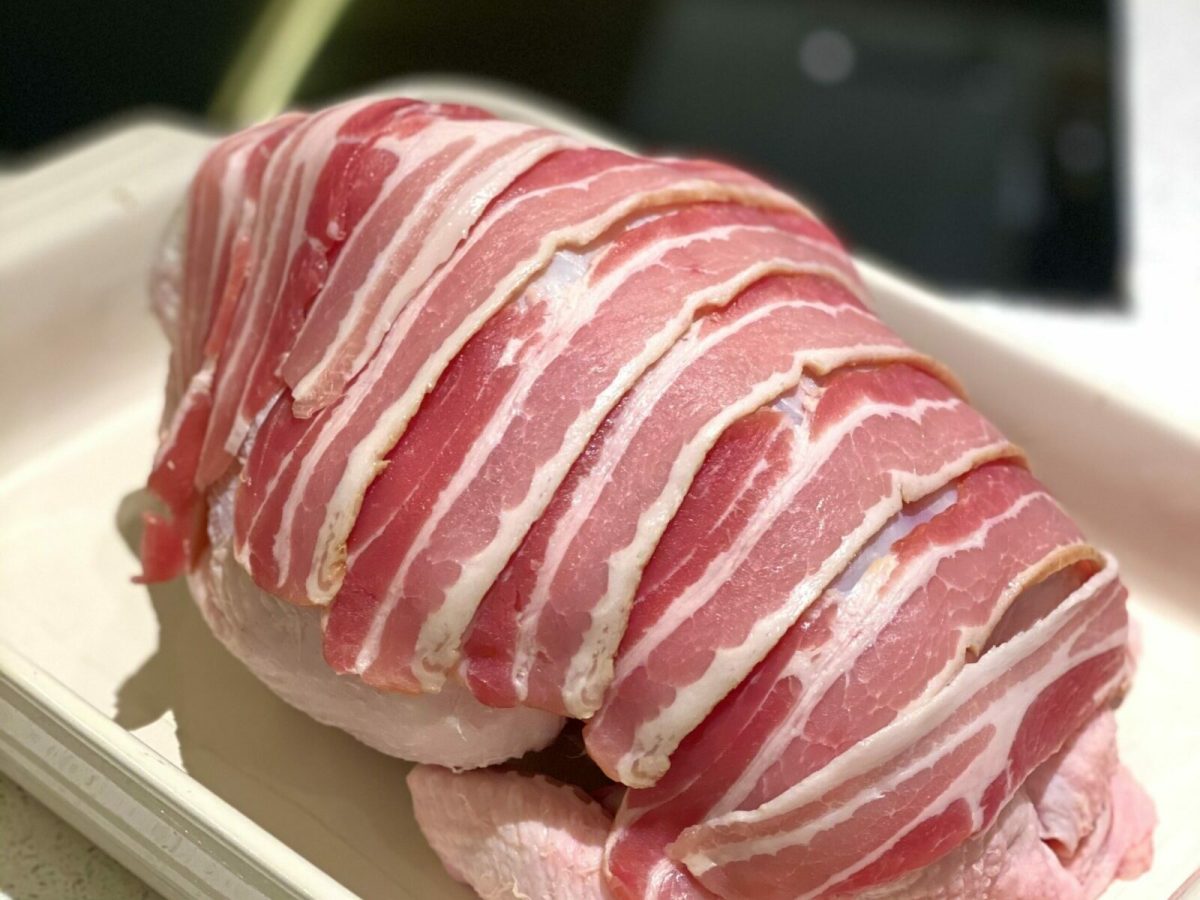
Christmas Chicken with bacon, a delectable twist on the traditional turkey! This mouthwatering dish will inspire you to create a memorable holiday feast. Succulent chicken, perfectly seasoned and roasted to perfection, wrapped in crispy, smoky bacon. The combination of flavors is simply irresistible.

Sides

Brussels Sprouts With Pancetta & Sage

This dish will make a great side and is easy and quick to prepare. I love to make it around this time of the year!

Roasted Carrots & Parsnips With Cumin Seeds

Carrots are incredibly nutritious and are a fantastic prebiotic for your microbiota, reducing inflammation and taking care of your immune system. They are excellent for skin, hair, nails, and eyes and are anti-cancer, anti-inflammatory, and antioxidant. Paired with parsnips, this dish makes a warming side dish to your traditional roast dinner.  Especially with the fantastic rich, earthy, warm, and citrus of cumin, the anti-inflammatory spice!

Sweet Potato Mash

This is a wonderful way of preparing this superfood – that will support and protect your gut. This is all you need to do to enjoy sweet potato’s nutrition and taste. Make it in advance and reheat it on the day of serving.

Healthy Cranberry Sauce

You have to try this cranberry sauce recipe! It’s caramelized, tangy, woody, and slightly tart, with a deep berry flavor and a slight spice of heady cinnamon.

Desserts

Ginger Cookies

If you are looking for a cookie recipe to make during the Christmas holidays and enjoy with the kids, this is for you! They are grain-free, dairy-free & gluten-free, and they taste delicious!  They are perfectly seasoned with a combination of spices. All spices used possess anti-inflammatory properties and offer excellent nutritional benefits!

Pumpkin Pie

This anti-inflammatory pie tastes like a delicious traditional dessert, but it is refined sugar-free, gluten-free, dairy-free, grain-free, and GUILT-free! It will leave you feeling satisfied without the symptoms of bloating or overindulgence.

Caramelized Apple & Cinnamon Crumble

I love this recipe with a side of coconut yogurt. It is delicious and uses simple ingredients. Apple and cinnamon are always a winning combo!

Cinnamon Oranges

What better way to celebrate the season than with the delightful aroma of cinnamon oranges filling the air? Cinnamon oranges are a classic holiday treat that brings a touch of magic to any gathering. The sweet citrus scent combined with the comforting spice of cinnamon creates a symphony of flavors that instantly transports us to a place of happiness and nostalgia.

Healthy Speculoos Biscuits

A spectacular speculoos biscuit recipe: the healthy version of the traditional recipe, which means that your gut microbiota will love them, too! The warming, sweet, aromatic, creamy, citrus, peppery, and spicy flavors make these biscuits incredible.

2-ingredient Dark Chocolate Mousse Pot

These little chocolate bombs are easy to make, delicious, and simple. You can use nice glasses for individual portions and garnish them with nuts, berries, or cacao nibs.

Christmas is a time of celebration and indulgence, but that doesn’t mean we have to compromise our health. All recipes on the Eat Burn Sleep platform are designed to satisfy your taste buds while keeping your gut happy.

Indulge in mouthwatering dishes that are not only festive but also beneficial for your gut health and overall wellness. Impress your friends, family, and loved ones while being gentle on your digestive system, ensuring you can enjoy your holiday feast without any discomfort.

Yalda x

Yalda Alaoui

Author

Eat. Burn. Subscribe.

Join the Eat Burn Sleep email newsletter and be the first to hear about new tips, and recipes!

Continue Reading

The Times: Golden generation of TikTokers are turning Gen Z on to gold top

Autoimmunity and Gut Health: How Inflammation Starts in the Gut (and What You Can Do About It)

Your EBS Festive Recipes

November 26, 2022

Can gut inflammation cause weight gain?

The Intricate Connection Between Gut Inflammation and Weight Gain

In the pursuit of optimal health and effective weight management, understanding the intricate relationship between gut inflammation and weight gain is crucial. This article explores the impact of chronic inflammation on the gut, its association with weight-related issues, and how adopting a healthy lifestyle, supported by anti-inflammatory practices, can contribute to weight loss and overall well-being. At Eatburnsleep, our method involves more than just what you eat.


The Gut, Inflammation, and Weight

Chronic inflammation in the gut is increasingly recognized as a factor linked to weight-related problems. Research, including studies on mice, published on PubMed and NIH, highlights the role of inflammation in weight gain and obesity. The gut, a complex system of microbes and cells, plays a pivotal role in the body’s response to inflammation.

The Gut Microbiome and Obesity

The gut microbiome, comprising various bacteria, has been identified as a key player in the regulation of body weight. Disturbances in the balance of gut bacteria, often associated with a diet high in inflammatory foods and chronic stress, can lead to weight gain. Obesity has been linked to changes in the gut microbiota, affecting the body’s metabolic processes.

Inflammatory Foods and Weight Management

The foods we consume play a significant role in either promoting or reducing inflammation. Diets rich in sugar and processed foods have been shown to contribute to chronic inflammation, potentially leading to weight gain. Choosing anti-inflammatory foods can help manage inflammation, supporting healthy weight loss.

Gut Inflammation and Insulin Resistance

Chronic inflammation in the gut is closely associated with insulin resistance, a condition that can lead to diabetes and increased fat storage. Understanding the link between inflammation and insulin resistance is essential in addressing the root causes of weight-related issues.

The Role of Stress in Gut Inflammation

Stress, both acute and chronic, has a profound impact on gut health and inflammation. Elevated stress levels can lead to gut disturbances, causing inflammation and potentially contributing to weight gain. Managing stress is a crucial aspect of a holistic approach to weight management.

Sleep, Gut Health, and Weight

Quality sleep is integral to overall health and plays a vital role in regulating inflammation. Disrupted sleep patterns can contribute to gut inflammation, potentially influencing weight gain. Prioritizing good sleep hygiene is essential for those seeking effective weight management.

Gut Inflammation as a Contributor to Disease

Beyond weight gain, chronic gut inflammation has been associated with various diseases. Research published in reputable journals like NIH and other authoritative sources highlights the potential link between gut inflammation and conditions such as cardiovascular disease and autoimmune disorders.

Anti-Inflammatory Lifestyle for Weight Loss

Adopting an anti-inflammatory lifestyle is key to addressing gut inflammation and promoting weight loss. This includes incorporating a healthy diet, managing stress, ensuring sufficient sleep, and engaging in regular physical activity. These lifestyle changes can positively impact gut health, leading to weight loss and improved overall well-being.

DE- STRESS: While our emphasis on weight loss often centers around diet and exercise, it’s crucial to recognize the significance of mental and psychological well-being. Persistent high stress levels contribute to ongoing low-grade inflammation, making it essential to address stress for holistic health. Engaging in activities like yoga, meditation, or a brief daily walk can offer swift psychological relief and induce anti-inflammatory effects physiologically. Effectively managing and coping with stress on a daily basis is paramount to prevent the initiation of new inflammation or the exacerbation of existing inflammatory conditions.

The Impact of Gut Inflammation on Food Choices

Gut inflammation can influence food choices and eating habits. Understanding the connection between the gut and the brain, particularly the role of neurotransmitters produced in the gut, sheds light on how inflammation may lead to cravings for unhealthy foods, contributing to weight gain.

Symptoms of Gut Inflammation and Weight-Related Issues

Recognizing the symptoms of gut inflammation, such as digestive issues, bloating, and discomfort, is essential for proactive weight management. Addressing these symptoms through dietary changes and lifestyle modifications can be instrumental in achieving weight loss goals.

In conclusion, the complex interplay between gut inflammation and weight gain underscores the importance of adopting a holistic and anti-inflammatory approach to health. By making informed dietary choices, managing stress, prioritizing quality sleep, and embracing a healthy lifestyle, individuals can address chronic inflammation in the gut, leading to weight loss and improved overall well-being. The journey to optimal health involves understanding the role of the gut in inflammation and leveraging this knowledge for sustainable weight management. At Eatburnsleep we are not aiming for perfection but we encourage setting realistic goals.

By Yalda Alaoui

Yalda is a qualified Naturopathic Nutritionist (with a foundation in Biomedicine) who studied with the College of Naturopathic Medicine in London. She has spent over a decade performing groundbreaking research in chronic inflammation and gut health.

Subscribe to the Eat Burn Sleep email newsletter for updates

Yalda Alaoui

Author

Eat. Burn. Subscribe.

Join the Eat Burn Sleep email newsletter and be the first to hear about new tips, and recipes!

Continue Reading

The Times: Golden generation of TikTokers are turning Gen Z on to gold top

Autoimmunity and Gut Health: How Inflammation Starts in the Gut (and What You Can Do About It)

Your EBS Festive Recipes

April 28, 2024

How to Deal With a Hangover

Hi Everyone,

Do you enjoy socializing with a drink? So do I! I am not a big drinker and it doesn’t take much to make me feel unwell after a night out. But as with many things in life, it’s all about moderation and having fun.

Let’s face it, we are not perfect and hopefully never will be. Life wouldn’t be life without ups and downs, boring times, and fun times! And I have a top tip for managing drinking and socializing: drink less and have more fun.

It’s important to socialize and see people. It benefits your mental health and strengthens your immune system. And for many people, socializing goes hand in hand with enjoying a drink. Because of this, small amounts of alcohol are allowed as part of the Eat Burn Sleep lifestyle.

Of course, the downside of having a drink is feeling rough the next day! If you want to know how to deal with a hangover, this post is for you.

How to deal with a hangover? Hangover tips. A group of people celebrating and drinking.

Why Am I So Hungry With a Hangover?

How To Recover From a Hangover

What to Eat the Morning After

What to Drink When You Have a Hangover

Get Moving and Shake Off That Hangover

What to Drink to Avoid a Hangover

A female putting acroissant into her mouth with her head in the fridge looking for more food.

Why Am I So Hungry With a Hangover?

If you’re like me, after a couple of glasses of wine, you won’t care about watching what you eat. And the next day you feel so ravenous you wolf down food and don’t feel full. So what’s going on?

There are a few reasons why a hangover makes you feel hungry:

  • Alcohol is essentially liquid sugar. When you enjoy a few drinks the sugar floods into your bloodstream, elevating your blood sugar levels. A few hours later, your blood sugar levels fall rapidly, leaving you hungry for starchy foods.
  • Alcohol is dehydrating. Dehydration can make you crave food as the body sometimes mistakes thirst for hunger.
  • Sleep is badly affected by alcohol – especially deep, restorative sleep. You might feel drowsy and fall asleep quickly, but your normal cycles of deep sleep and lighter sleep will be disrupted.
  • Poor quality sleep affects your hunger and satiety hormones. Without good sleep, you will have more ghrelin (the hunger hormone) and less leptin (the satiety hormone).
    You may be interested in reading about how good, regular sleep helps you lose weight. 
  • Your liver has to work hard to detoxify alcohol. This process uses up a lot of energy and nutrients so it makes sense that your body craves food to keep up with this demand.

A lady lying awake at 3:25 AM with a hangover

How To Recover From a Hangover

Firstly, don’t feel guilty or beat yourself up. You’ve had a great time, and life is to be enjoyed. Overindulging happens.

If you can begin your hangover recovery plan before you go to sleep, that is a great start.

When you get home, drink plenty of water with added electrolytes. Electrolyte minerals like magnesium and potassium help your body to rehydrate faster than if you drink plain water. You can see which electrolyte products I recommend on the Yalda Loves page and I also use this simple homemade electrolyte mixture. Sometimes I take a dose of Alka seltzer* too, to prevent acid indigestion. All the sugar in the alcohol is a big trigger for reflux.

When you get up the next morning, repeat the above. You need to rehydrate and not overtax yourself.

(*Please check with your doctor before taking any over-the-counter medicines.)

How to recover from a hangover - drink water with electrolytes

What to Eat the Morning After

When I wake up with a hangover, I crave sugar badly, and the last thing I want to eat is something healthy like eggs and salmon! So, I make my super yummy and nutrient-dense coconut protein shake. It satisfies all my sweet cravings while stabilizing my blood sugar levels.

A glass of a chocolatey-looking protein shake made with cacao, with a red and white straw in it.

Other great breakfast options include:

Bananas are packed with magnesium, vitamin B6, and fiber.

Avocados are another great source of fiber, magnesium, and potassium to help optimize energy levels and blood pressure.

Almonds for fiber, B vitamins, and antioxidant vitamin E.

And if you can face them, eggs! Boiled, scrambled, poached, or in our delicious Shakshuka recipe.

Eggs are a fantastic source of protein, B vitamins, and glutathione – our master antioxidant nutrient. Your liver needs plenty of glutathione and B-vitamins to detoxify alcohol so it’s a good idea to top up after a night out.

Later on, you could enjoy a bowl of our Immune Boosting Chicken Soup. It’s hydrating and packed with liver-health ingredients like egg yolk, turmeric, carrots, lemon, and olive oil.

A bowl of Immune-boosting chicken soup with inflammation reducing turmeric, which has given it a wonderful golden colour. A healing soup.

You want to fill your body with nutrients and resist the urge to eat junk food. Junk food is precisely that – junk. Ultimately, it will make you feel worse.

You don’t want to punish yourself. Nourish yourself. Eat Burn Sleep’s anti-inflammatory foods deliver what your body needs when you have a hangover.

Members: There’s an Overindulgence Recovery Protocol in the Membership Section, which also covers recovering from overindulging in food.

Non-Members/Members: You could make these egg muffins before your evening out so that you have a healthy snack on hand when you get home.

What to Drink When You Have a Hangover

Water is the most important drink to help relieve a hangover. Drink it plain or add slices of fresh lemon for a boost of vitamin C.

Coffee can add to blood sugar imbalance but if you really want one, have one. Just be sure to have it after a meal and not on an empty stomach.

Green tea has more antioxidants than other forms of tea. It’s a good option for maintaining healthy blood pressure, regulating blood sugars, and optimizing your metabolism (among many other health benefits).

The caffeine in green tea is counterbalanced by an amino acid called theanine. Theanine soothes your nervous system to help you feel alert and calm at the same time.

What to drink when you have a hangover - water, in a jug with slices of fresh lemon


Get Moving and Shake Off That Hangover

Gentle movement and exercise will get your blood flowing and boost your endorphins (those happy mood chemicals). Aim for a gentle workout, light jog, or easy yoga session. If you can get outside in the sunshine, all the better. Natural daylight and vitamin D will help your body get back into its normal rhythms.

Then, later in the day, Eat Burn Sleep members can relax and enjoy a soothing meditation bath before bed.

What to Drink to Avoid a Hangover

What are the best drinks to have to avoid a hangover? Wine, beer, spirits? Or just let go and enjoy a few cocktails?

Here’s what I do on a night out with friends…

1/ Alternate water and alcoholic drinks to avoid becoming dehydrated.

A little trick is to order sparkling water with ice and a slice of lemon so people assume you are drinking alcohol (and you aren’t being a joy killer) when, in fact, you are taking a little break and having water.

2/ Steer clear of cocktails

I try to steer clear of cocktails because they are loaded with sugar, and I would prefer to save those calories for a nice paleo muffin the next day!

Sugar makes everything worse because it disrupts the healthy bacteria in your gut. Drinking sugary cocktails is a surefire way to feel even worse the next day.

If you love cocktails, try switching to plain spirits like vodka, tequila, and gin with soda water, lime, or a drop of cordial. That amount of cordial is fine compared to how much sugar there would be if it were a cocktail. Again, it is about moderation and finding the right middle ground.

3/ Limit wine and champagne

As much as I love a good glass of wine, I only have one. Maybe two! My health issues make me feel how much yeast and sugar (from the fructose) there is in those drinks, and I invariably feel it the next day. But if you are dining out, by all means, do enjoy some good wine.

People raising a toast with glasses of red wine

I hope this was helpful to you. If you have any tips, please share them in our members’ health community or drop me a message on Instagram.

Don’t forget to smile and enjoy having a fantastic social life!

I chat about the importance of socializing with Nick Potter in the podcast about the behavioral immune system. It’s fascinating! We talk about the immune system, gut health, and socializing (amongst many other things!). Definitely worth a listen!

You may also like these articles:

How to Avoid a Hangover

Best Alcohol for Diabetes

The Benefits of Sun Exposure

Also, if you find that you are regularly getting hungover and feeling anxious or depressed, please know that we have personalized advice for depression on this platform. Plus, Insomnia and 30+ other conditions.

Enjoy your night out!

Yalda x


About the Author

Yalda Alaoui is a qualified Naturopathic Nutritionist with a foundation in Biomedicine. She studied with the College of Naturopathic Medicine in London and has spent over a decade performing groundbreaking research in chronic inflammation and gut health.


Yalda Alaoui

Author

Eat. Burn. Subscribe.

Join the Eat Burn Sleep email newsletter and be the first to hear about new tips, and recipes!

Continue Reading

The Times: Golden generation of TikTokers are turning Gen Z on to gold top

Autoimmunity and Gut Health: How Inflammation Starts in the Gut (and What You Can Do About It)

Your EBS Festive Recipes

October 03, 2018

What Exercise Reduces Stress?

Eat. Burn. Subscribe.

Join the Eat Burn Sleep email newsletter and be the first to hear about new tips, and recipes!

Continue Reading

The Times: Golden generation of TikTokers are turning Gen Z on to gold top

Autoimmunity and Gut Health: How Inflammation Starts in the Gut (and What You Can Do About It)

Your EBS Festive Recipes